Belgrade Embankment - Street of Nations 

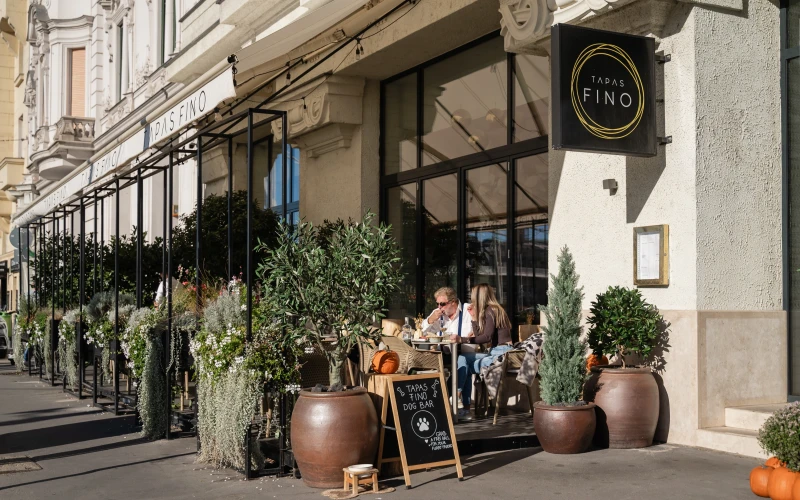
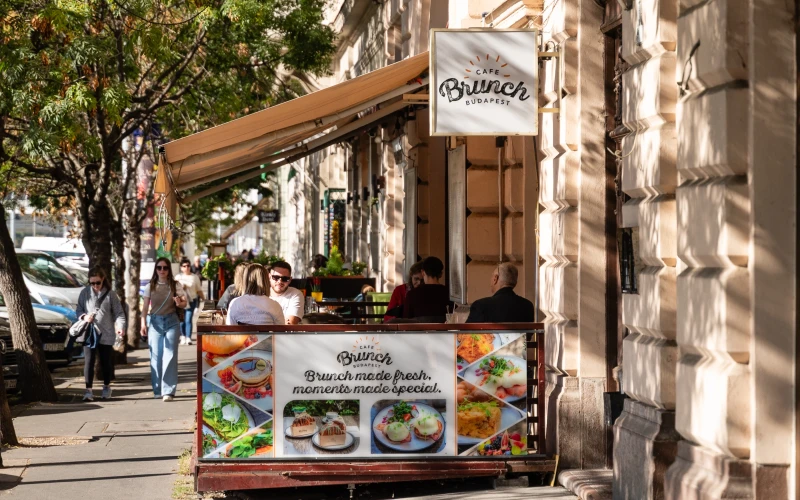
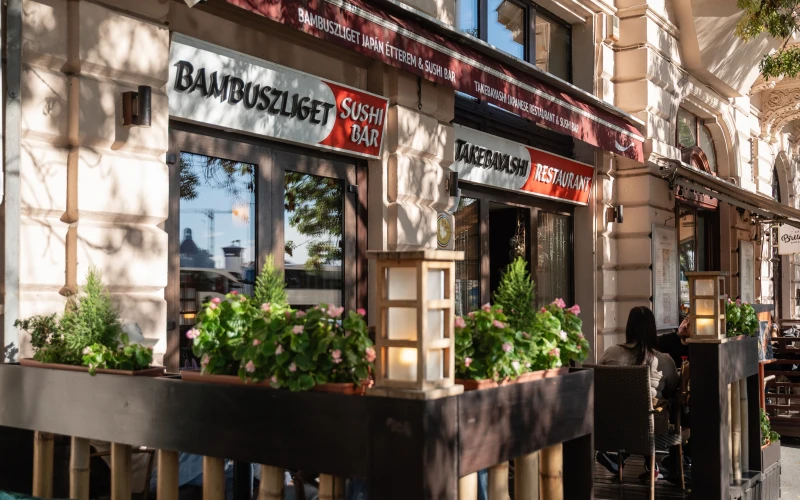
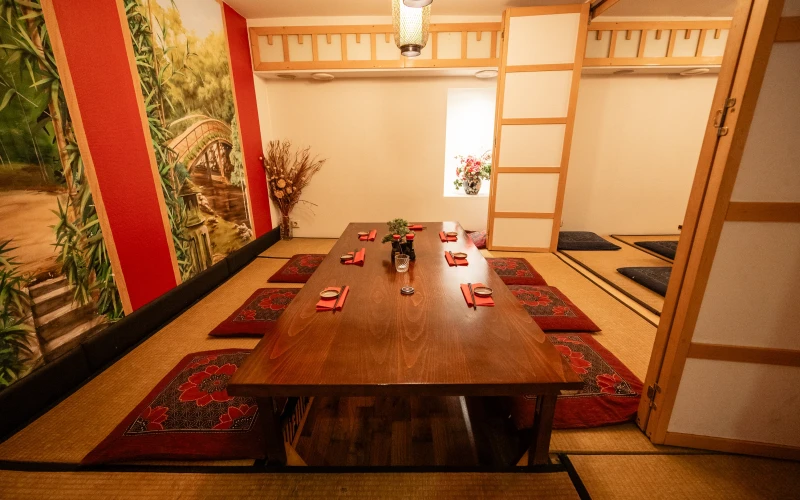
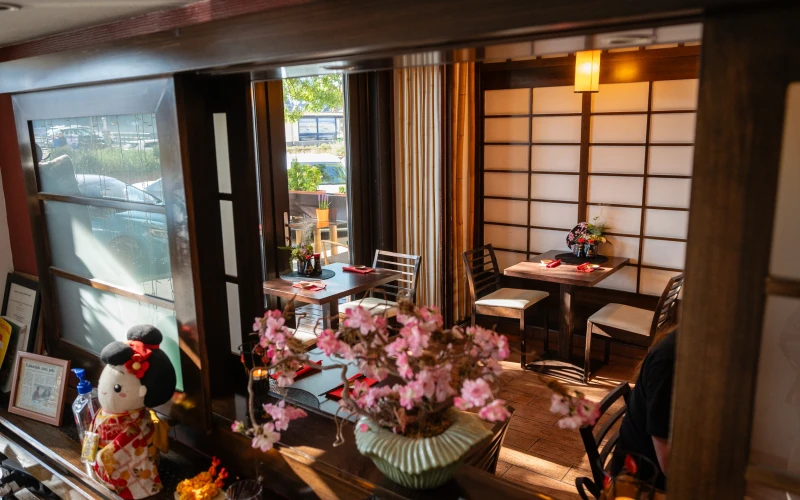
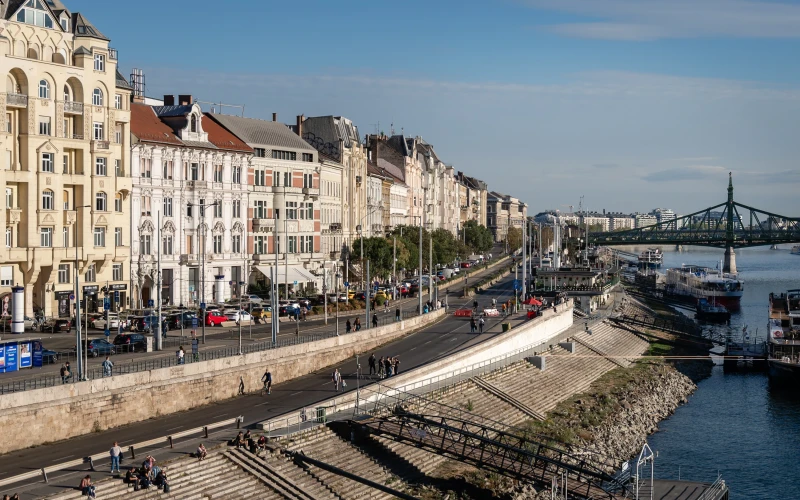
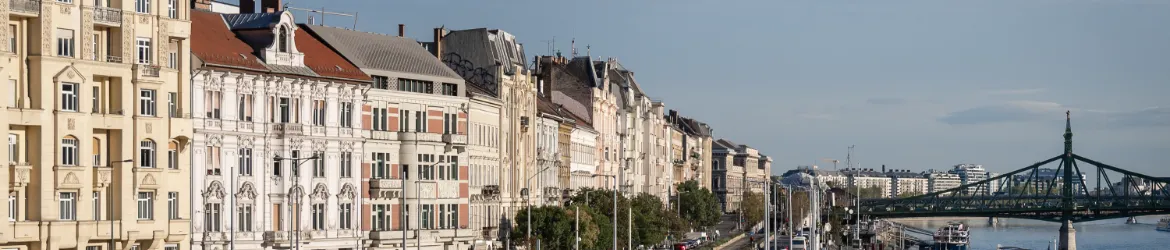
On the colorful gastronomic promenade of Belgrade Embankment, we can discover the flavors of the world in the heart of Budapest, along the banks of the Danube. This thematic area along the historic embankment celebrates Budapest's international character. Between the Elizabeth Bridge and the Liberty Bridge, a nearly one and a half kilometer stretch showcases 19th-century neobaroque buildings, where we can immerse ourselves in authentic tastes and the views of the Danube from the terraces of Libyan, Italian, Greek, and Spanish restaurants. The stunning panorama of Gellért Hill, Buda Castle, and the Liberty Statue provides a unique backdrop for this culinary world journey. The embankment, preserving the memory of the medieval Belgrade Gate, now presents Budapest's cosmopolitan face, where history and international culture meet in unique harmony. The Street of Nations offers more than just dining: rich cultural content, musical programs, and community events create a lively, vibrant atmosphere in one of the most beautiful locations in the capital.


Sights
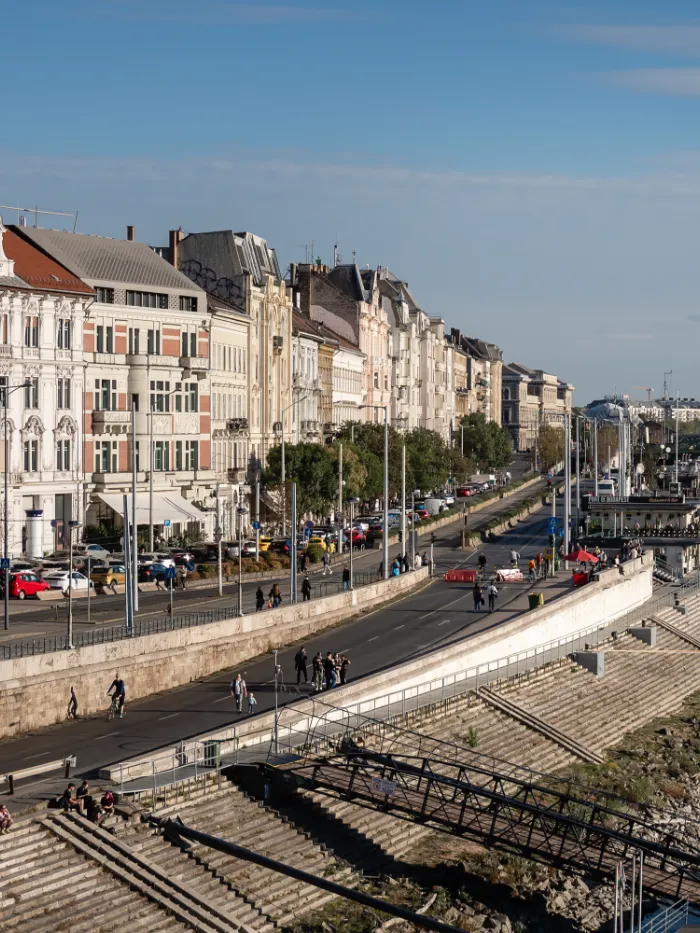
Danube-side Panorama and Historic Promenade: Belgrád Quay is one of Budapest’s spectacular stretches along the Danube, offering a unique view of Gellért Hill, the Buda Castle, and the capital’s bridges. The history of the quay is closely intertwined with the commercial past of Pest and Danube river navigation. The row of historic buildings, combined with the proximity of the river, lends the area a unique atmosphere to this day.
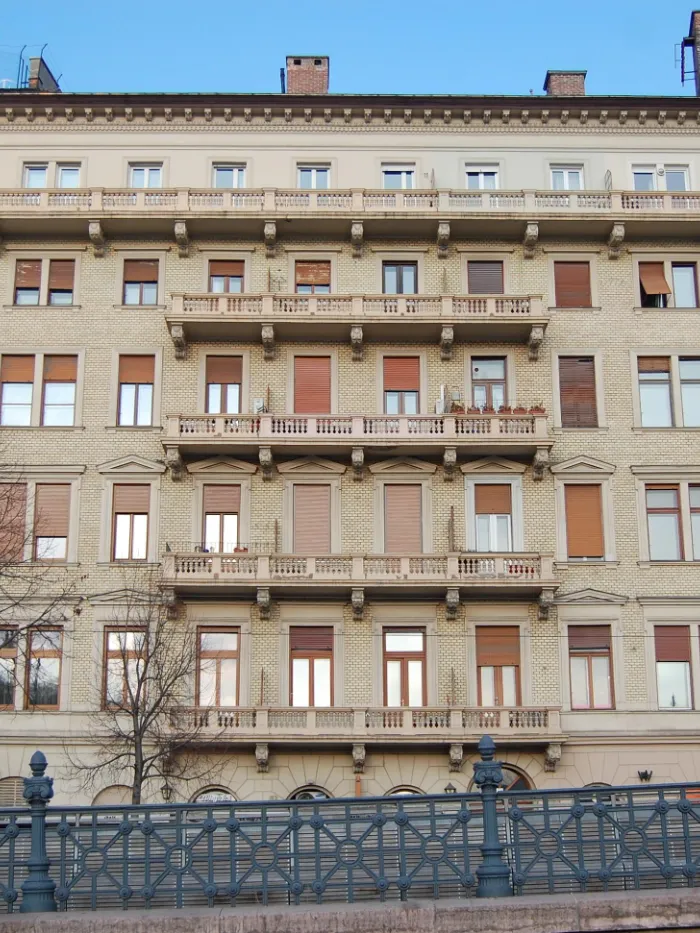
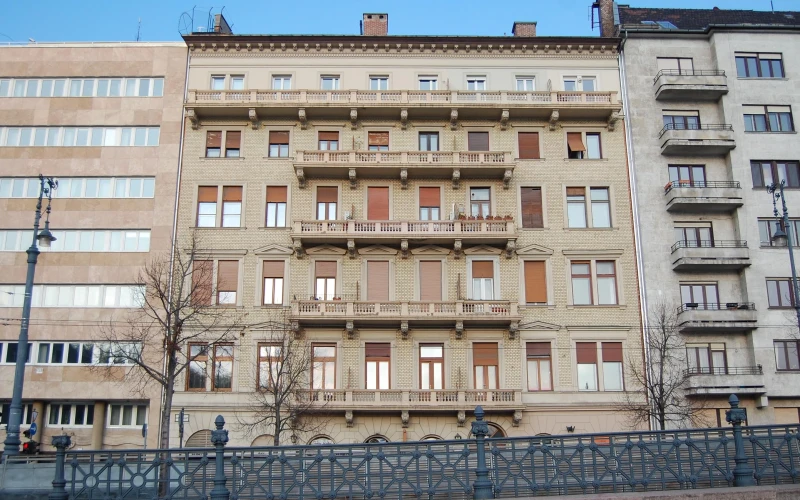
Belgrad rkp. 3-4.: Built in 1882, this Neo-Renaissance apartment building was designed by Alajos Hauszmann—who would later become the lead architect for the reconstruction of the Buda Castle—on commission from university professor Sándor Szarvassy. The building’s original, ornate ironwork was crafted by Gyula Jungfer. Originally three stories high, the building was expanded by two additional levels in 1935–1936, at which time its interior layout was also modernized.
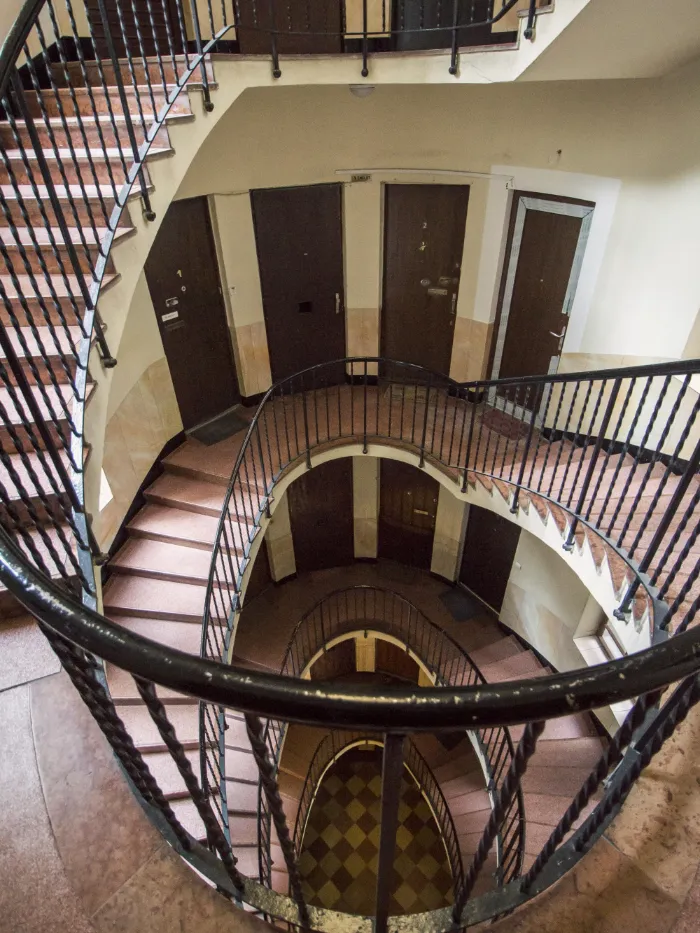
The Lenz Brothers’ Modernist Apartment Building Belgrád Quay 2. Built in 1937-1938 based on the designs of Károly Möller, this modernist residential building is a notable example of architecture in Budapest during the interwar period. The building became known for its advanced technical solutions and its distinctive, oval, split-level staircase. At one time, the building was also home to the philosopher György Lukács. (photo: Octogon)
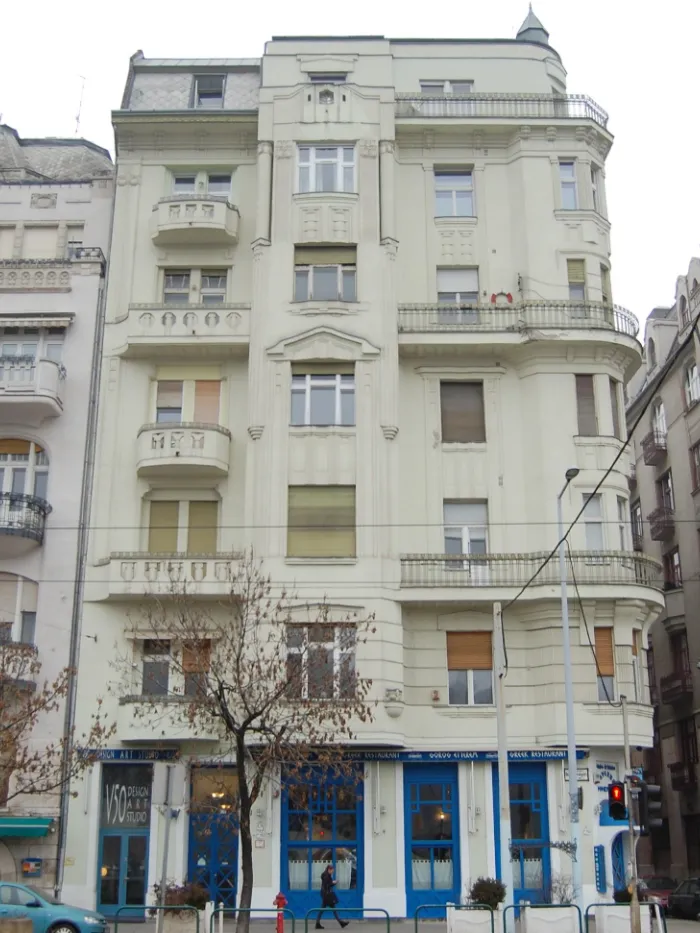
Gyula Fodor’s Corner Building (16 Belgrád Quay): Standing at the corner of Belgrád Quay and Sörház Street, this apartment building—constructed in 1913—was designed by architect Gyula Fodor. In addition to elegant residences, the building housed shops, studios, and various businesses. The painter Lajos Kunffy lived and worked here, and in the 1930s, an establishment offering accommodation with a view of the Danube operated in the building under the name "Sylvia Pensio."
aas-antique-street-budapest
bartok-bela-boulward
fashion-street
haris-bazar
kiralyutca-designutca
kultunio
liszt
margit-negyed
palota-piknik
pozsonyi-piknik