Vienna good examples: we have a lot to learn! - travel report
We have a decades-long relationship with the Vienna Austrian Chamber, specifically with the management of the shopping street there, which is now known as MeinKaufStadt Wien. We often exchange information and visit each other from time to time to see what is changing where and how.
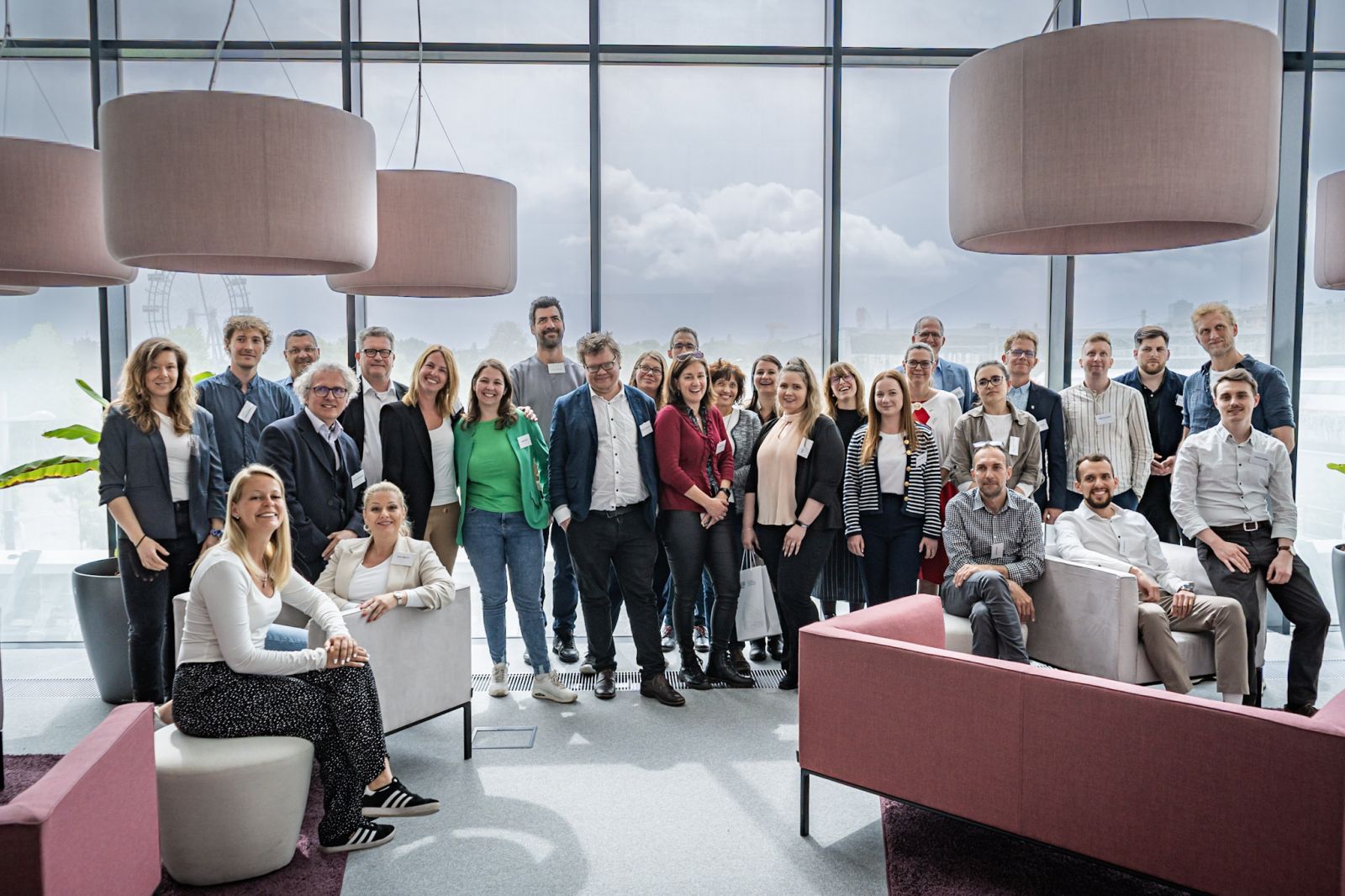
Photos taken by: Bence Kisbali (Cloud Media)
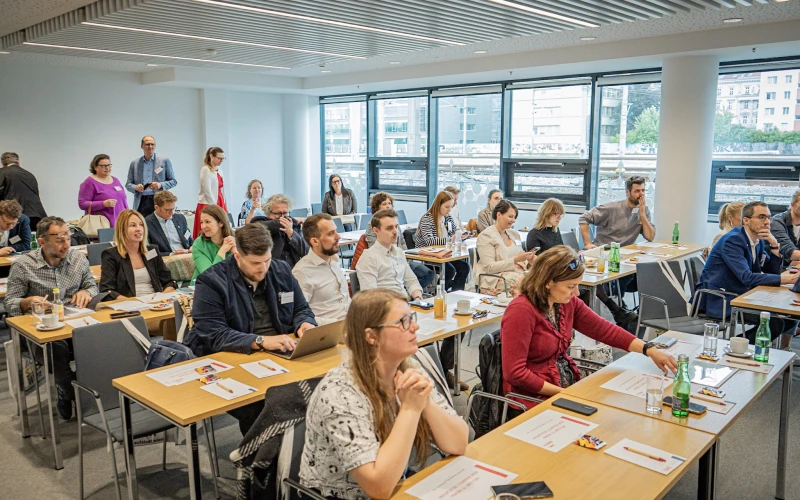
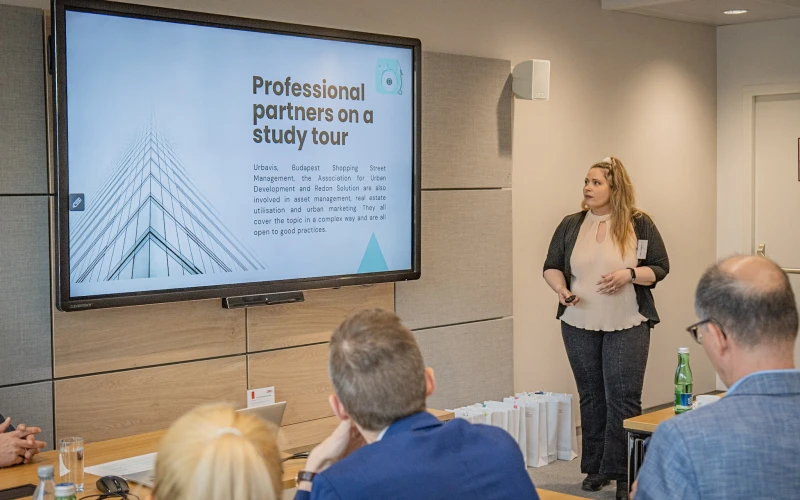
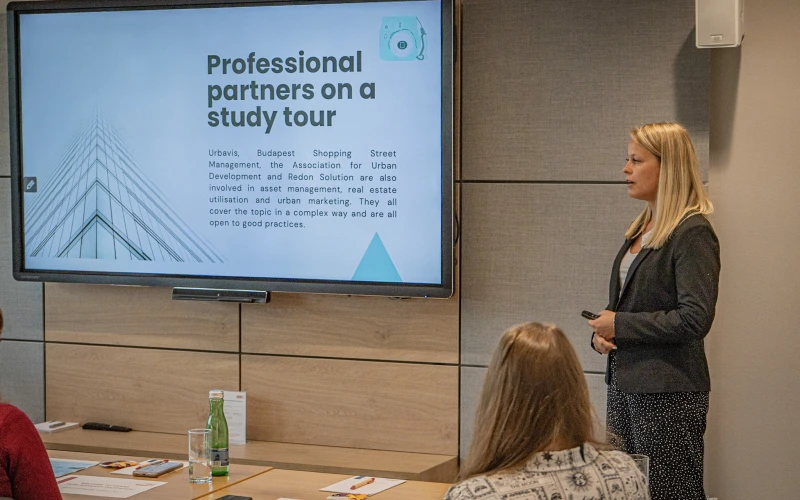
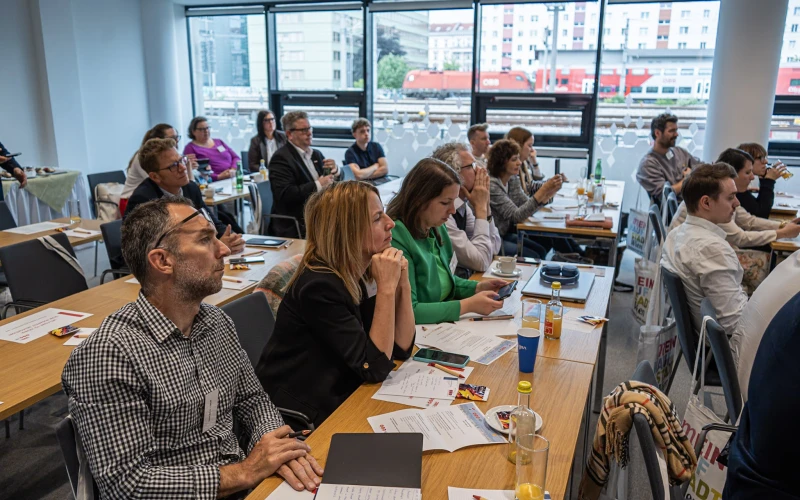
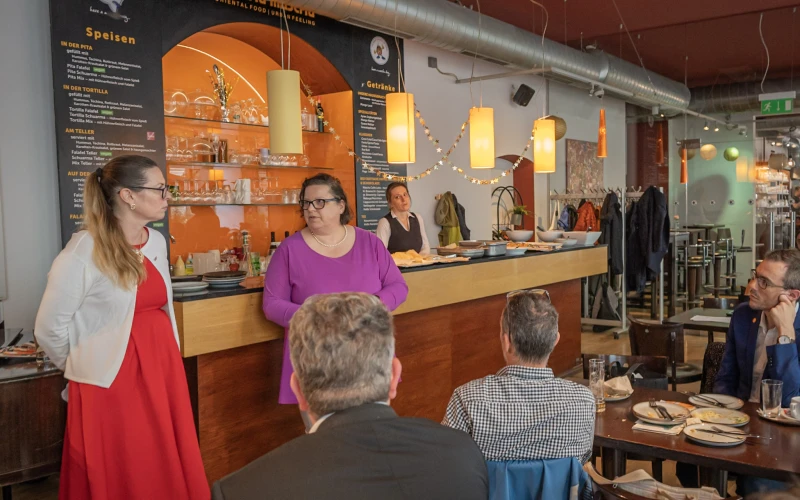
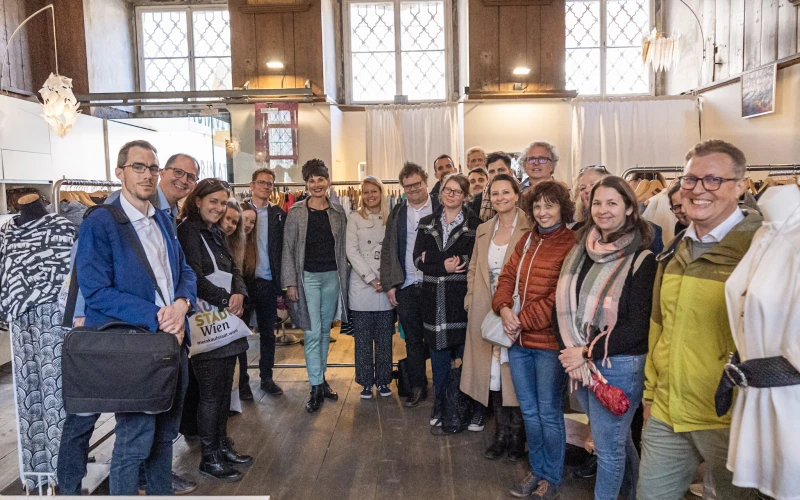
We believe in collaboration, so we have professional partners both domestically and internationally. Together with our Hungarian partners (Urbavis, Redon Solutions and Association for Urban Development), we concluded that it would be beneficial to learn about good practices in Vienna on certain topics, building on our connections there. The idea eventually turned into a plan, and the organization started at the beginning of the year. Out of several potential projects, we ultimately selected four, among which were suggestions from our Austrian partners, and we did not regret it. Moreover! Of course, not just the four mentioned organizations participated, but also 12 additional organizations, businesses, and institutions joined the Hungarian delegation. The topics included asset management, vacant ground-floor commercial spaces, and city marketing.
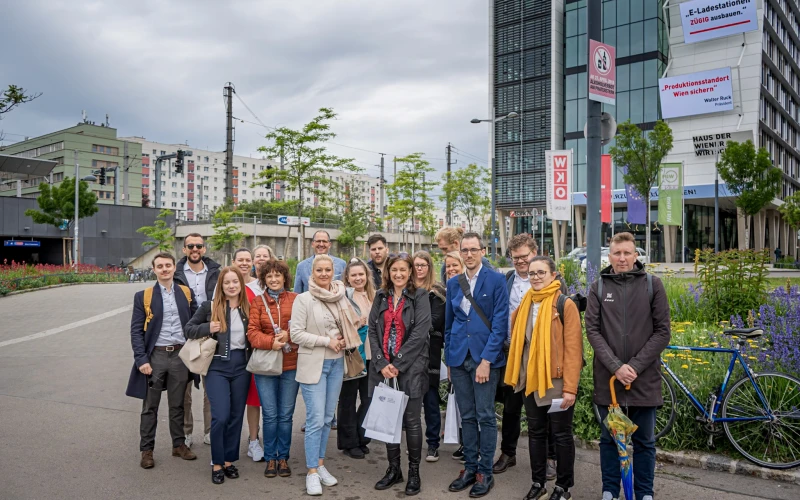
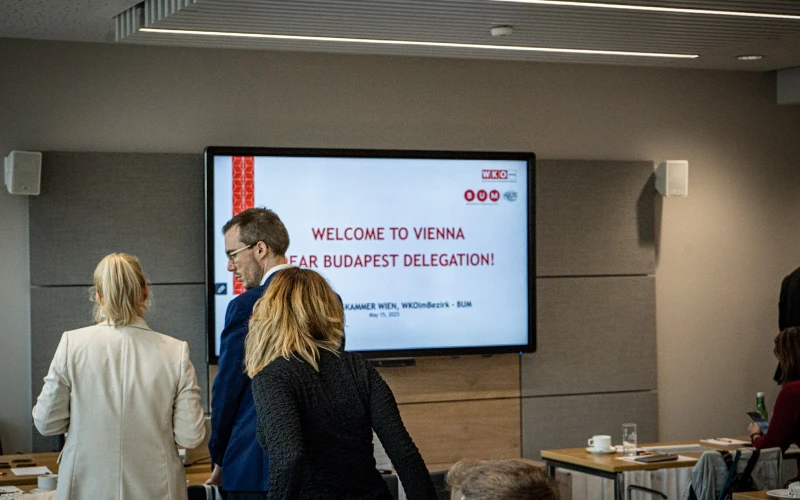
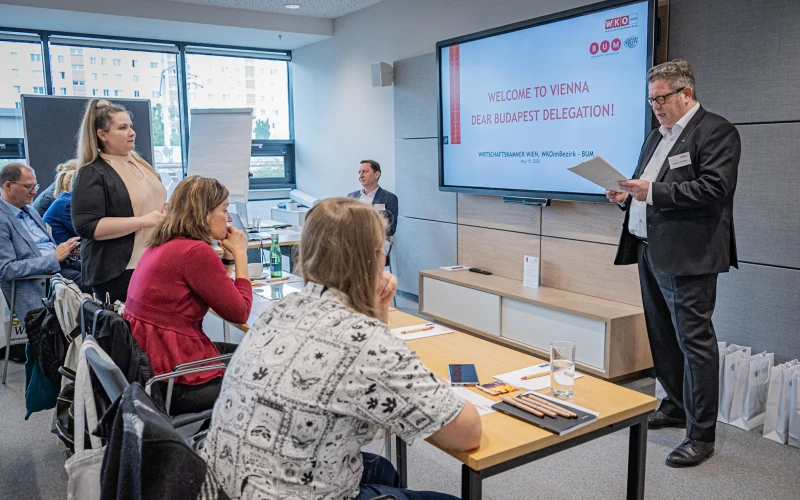
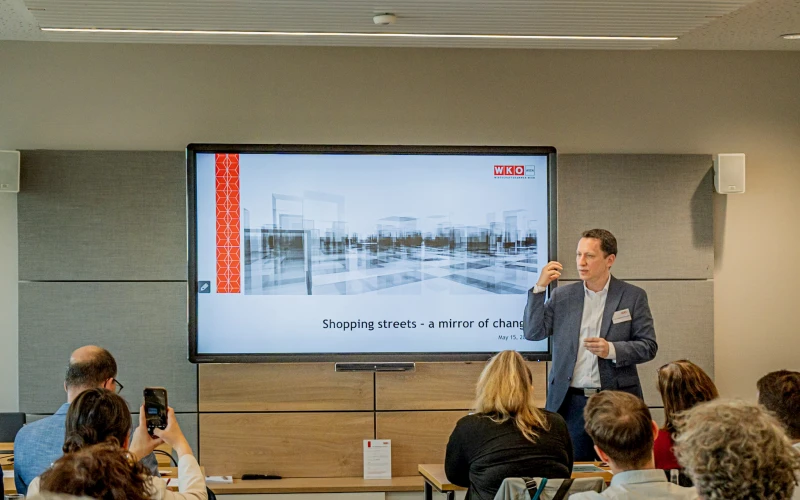
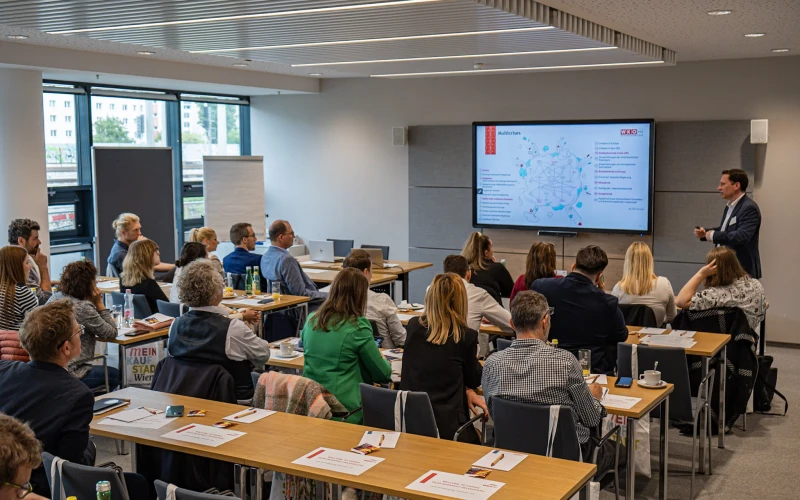
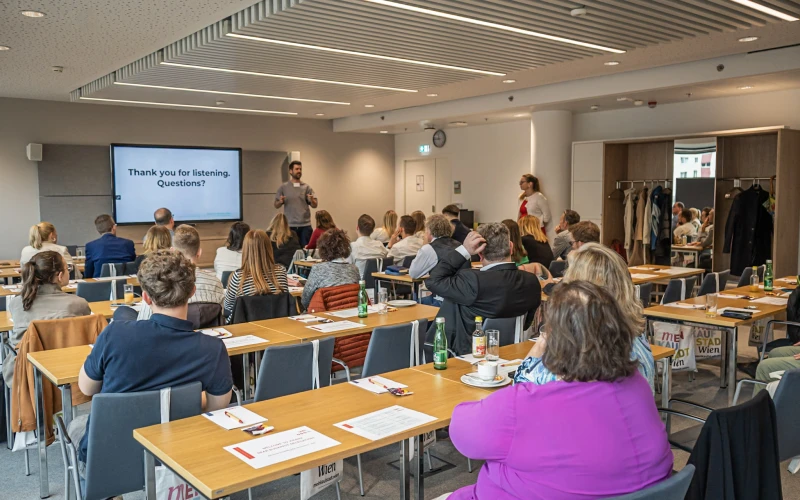
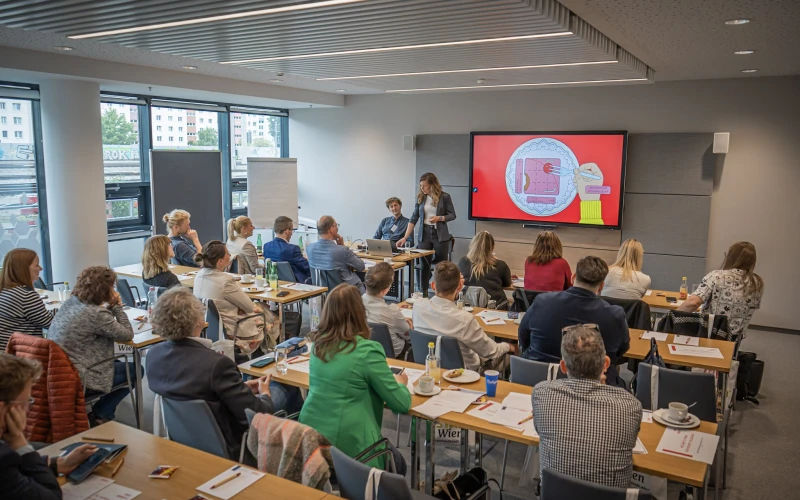
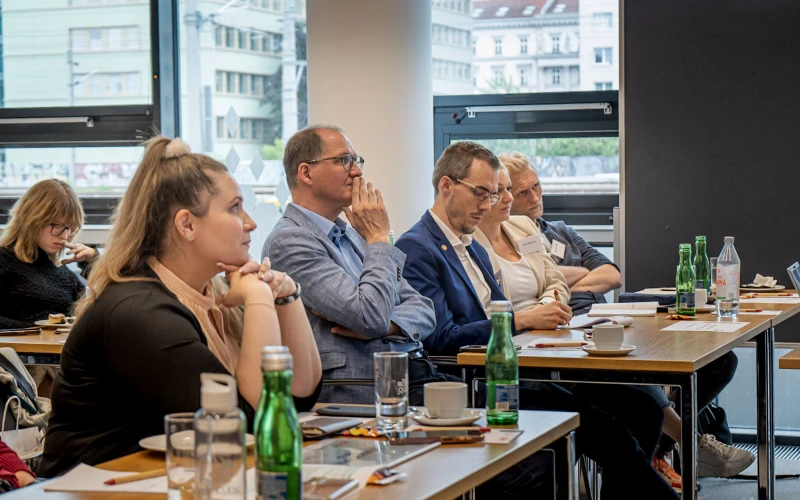
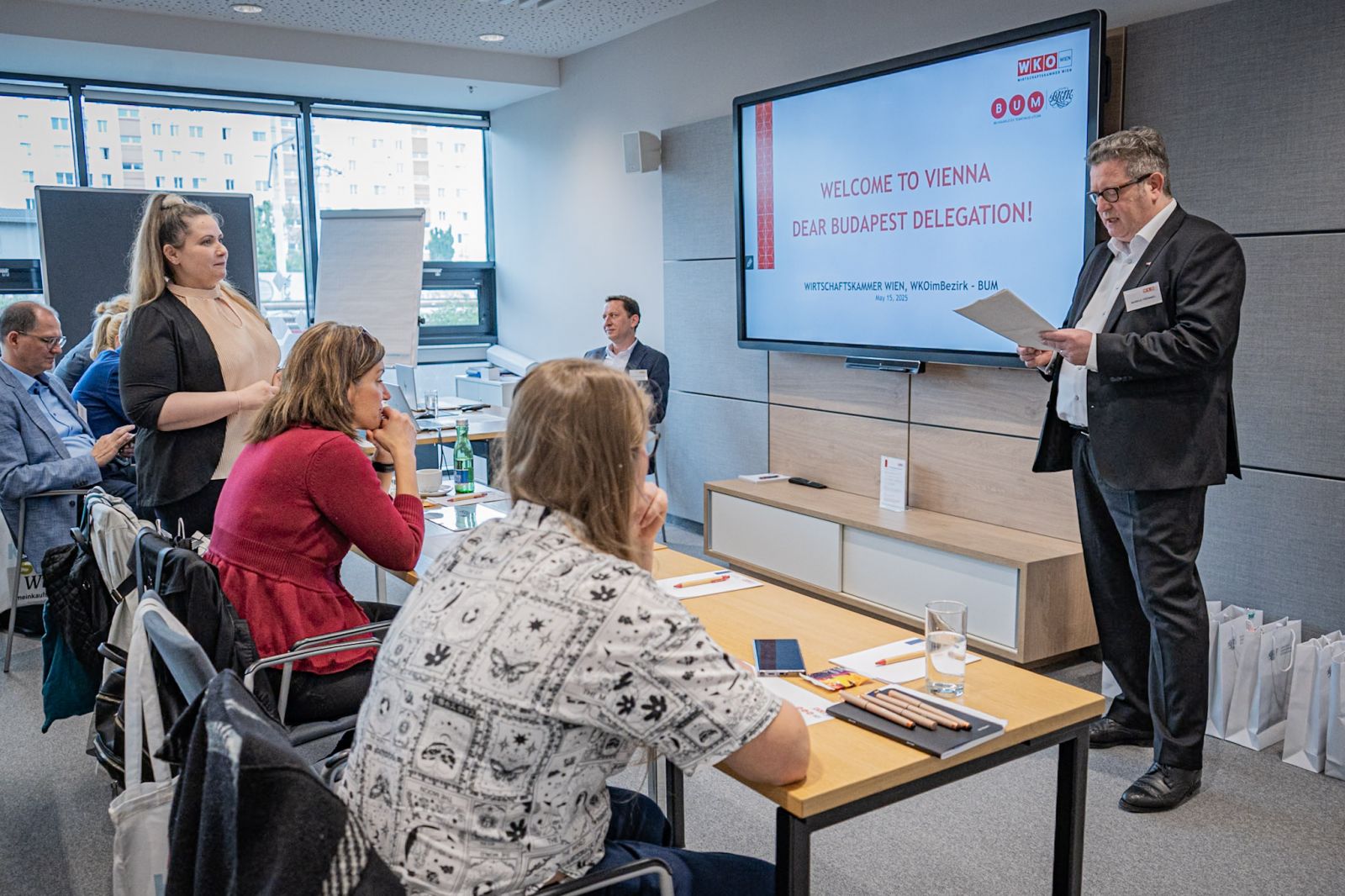
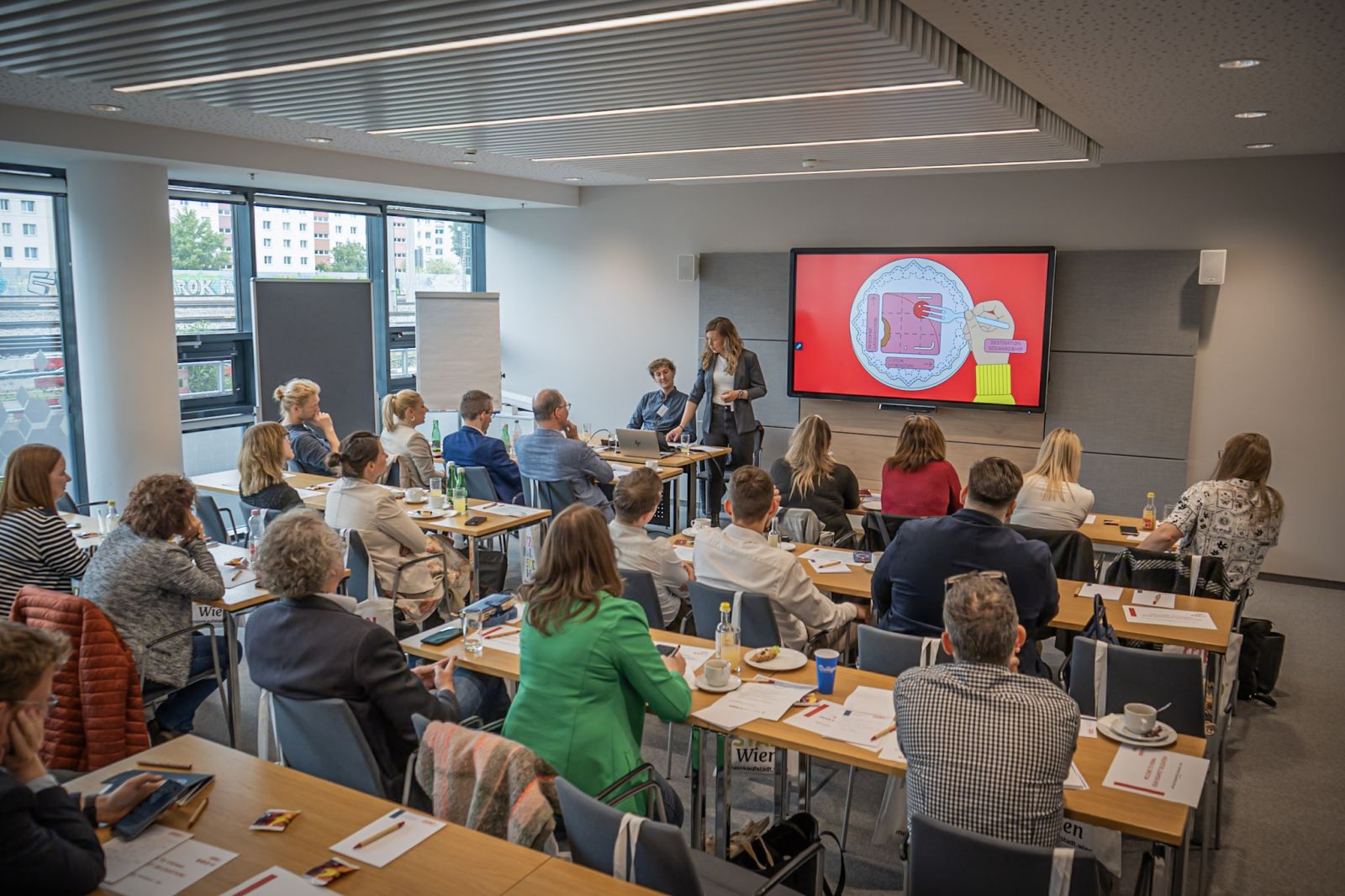
The day began with an exciting joint train ride, as public transport in the city of Vienna is the best way to get from one place to another. One of our old contacts, Kovács Balázs (GD Consulting), awaited us at the station, along with Dora Marta Kovac and Monika Rommer from the WKO Bezirk. They accompanied us to one of the WKO's headquarters near Prater. This is a truly impressive office building where we could hold our presentations in a well-equipped, spacious, bright room. Manfred Sussitz, Claudia Grabner, and Markus Frömmel welcomed us at the venue. Markus Frömmel even personally welcomed the team in Hungarian. After that, the Hungarian side introduced itself briefly.
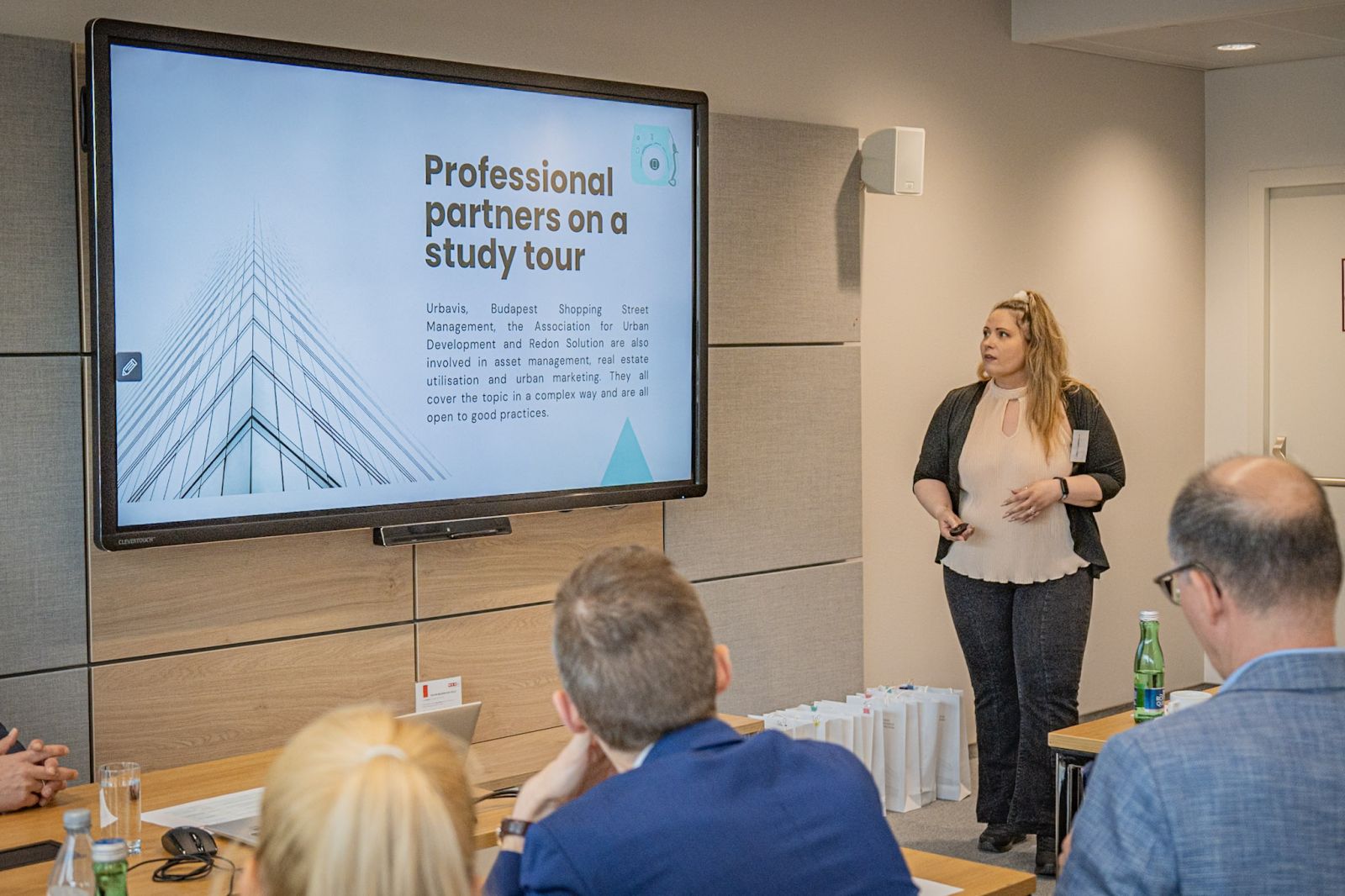
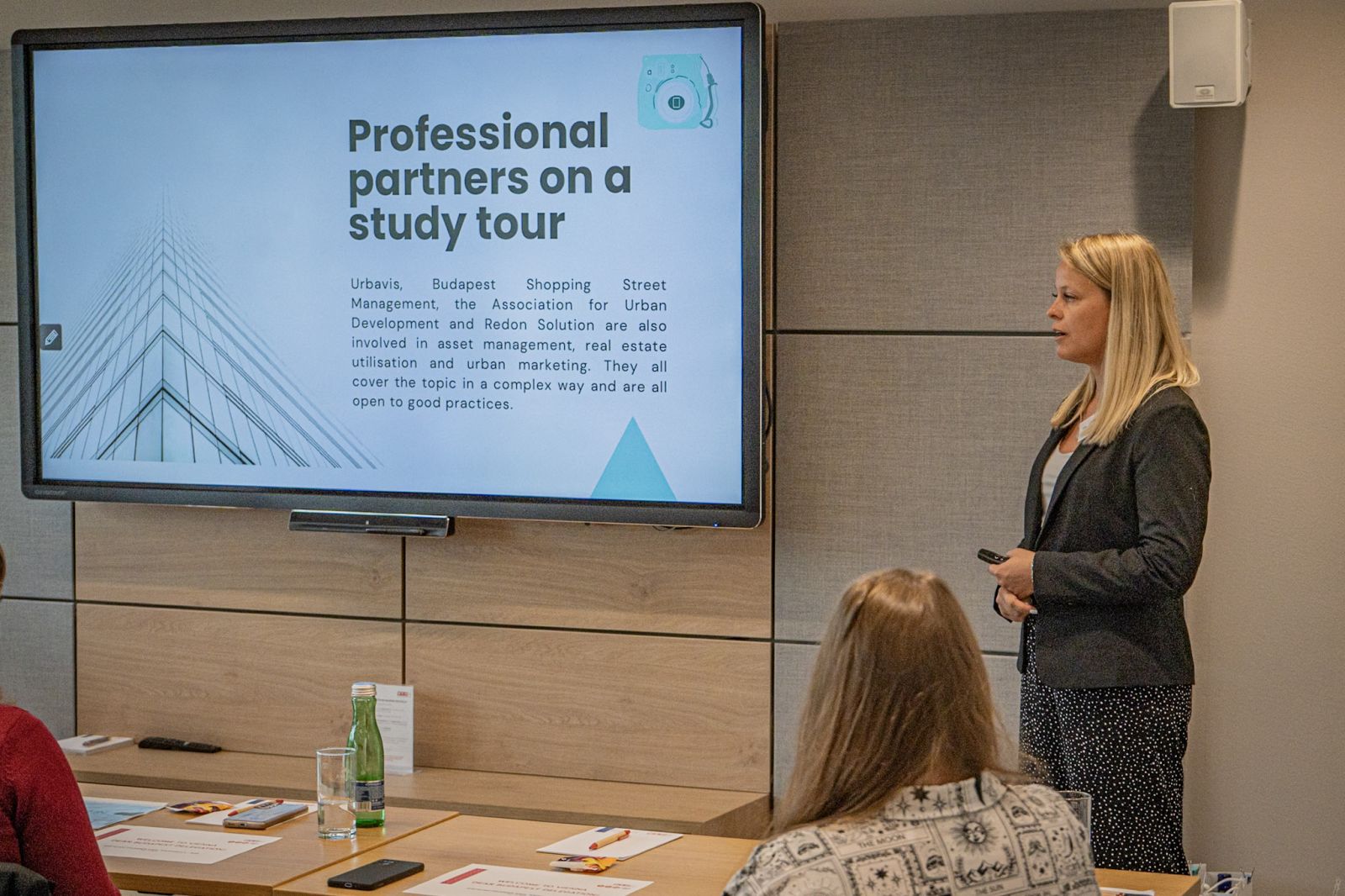
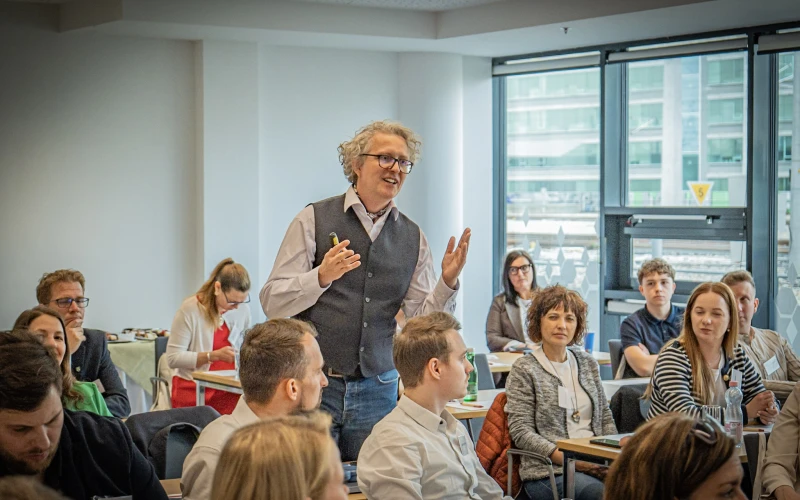
In the first presentation, Andreas Dillinger, the head of the WKO Freilokale (similar to our Kibérelem.hu, but on a smaller scale) section, talked about the transformation of shopping streets and the situation of commercial spaces. He discussed the crises (COVID, economic difficulties, inflation, etc.) they faced and are facing, how the demographic composition is changing, and how this affects urban infrastructure and the stock of commercial spaces, as well as the impact of digitalization on the composition of businesses and, last but not least, the climate change. They too recently renewed their web interface. It is important that they are contracted with all major real estate brokers, so one can gather good information there, and all information is freely accessible.

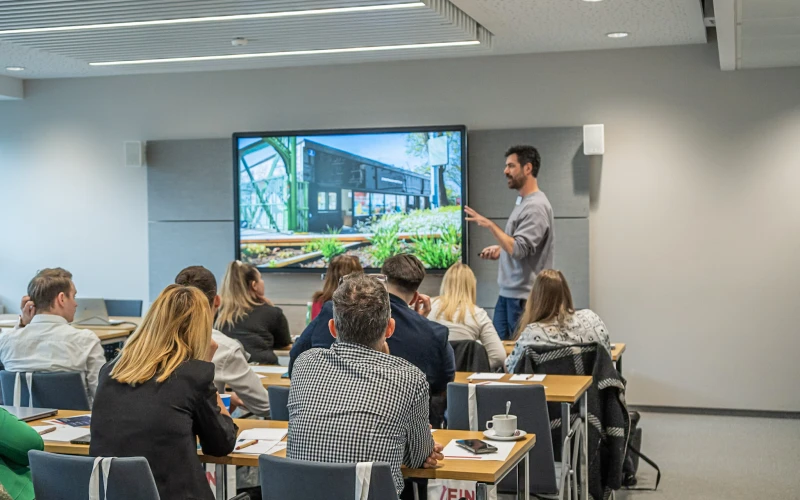
Our second presenter was Uli Fries from Kreative Räume, who deals with the temporary or long-term utilization of vacant commercial spaces. Although the organization itself is not very large, it works closely with several institutions that carry out supplementary activities. The utilization of a vacant space or property not only brings economic benefits or improved city image, but also provides assistance and support to artists and cultural actors. By doing so, certain areas are returned to the city's circulation, benefiting the entire neighborhood. They work with spaces and properties with certain parameters, but there is usually demand for these as well. They told us about a vacant school building where artists are now working and organizing exhibitions, making it both a workspace and a community space. Or a deserted hospital that has been transformed into studios and exhibition space. They have also given new functions to vacant plots where previous buildings were demolished, and until the investor is found and what will be established in its place, they organize mini-festivals and community events there. They offered many more examples, one of which we visited in person during the afternoon.
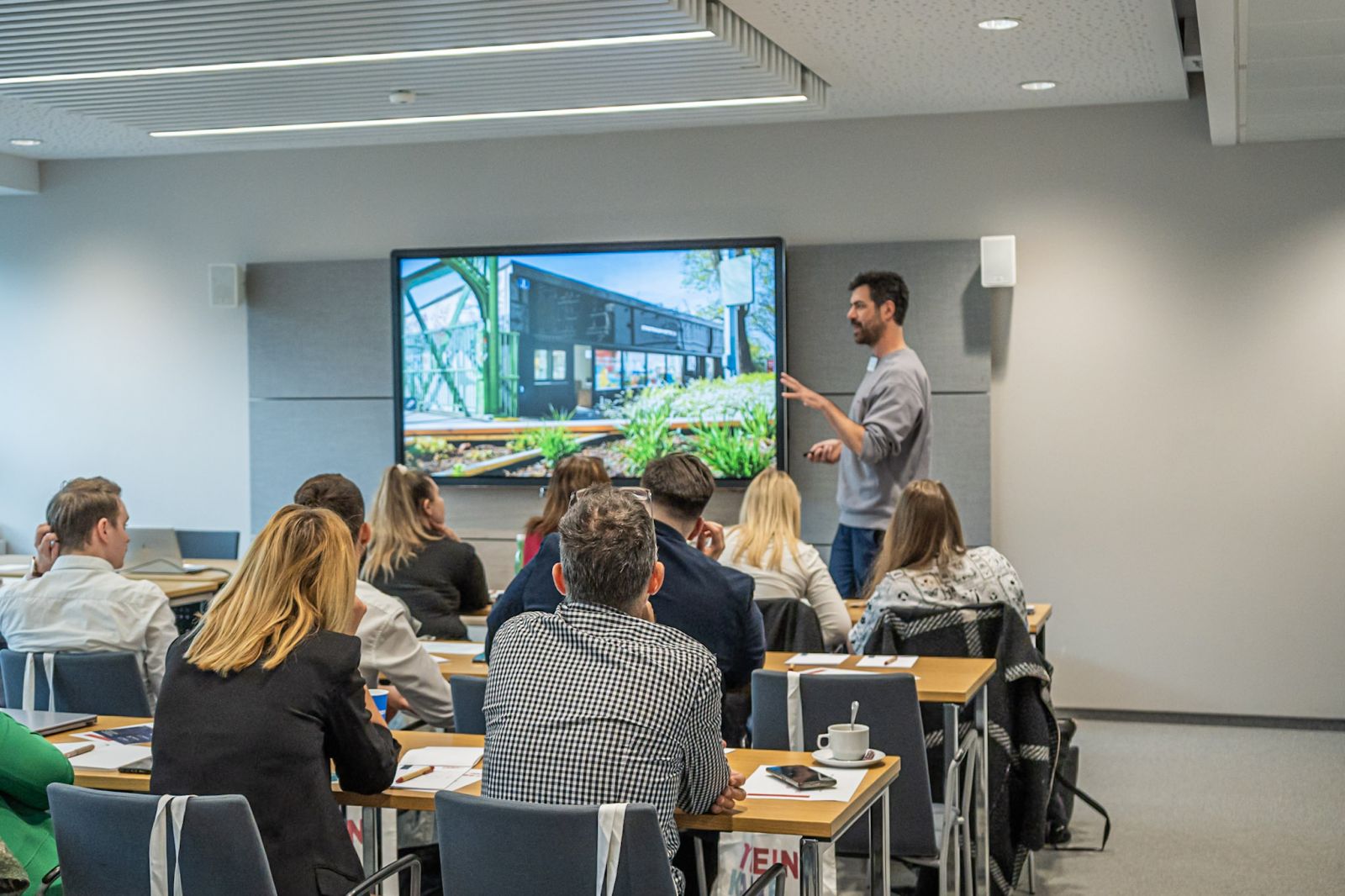
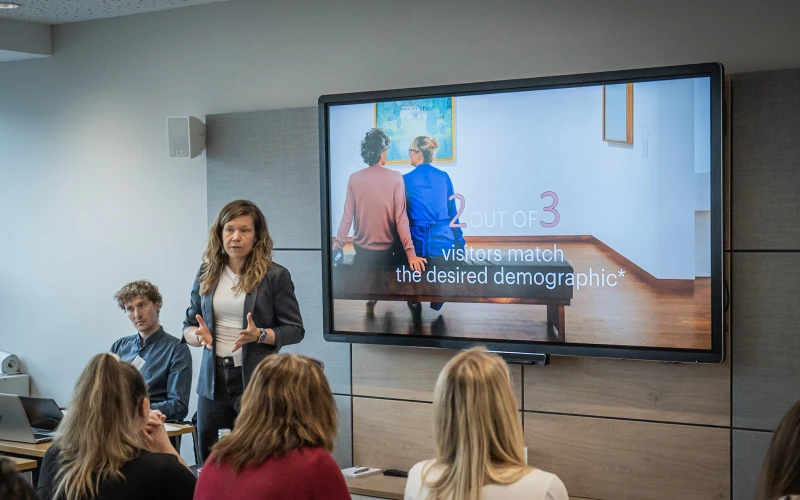
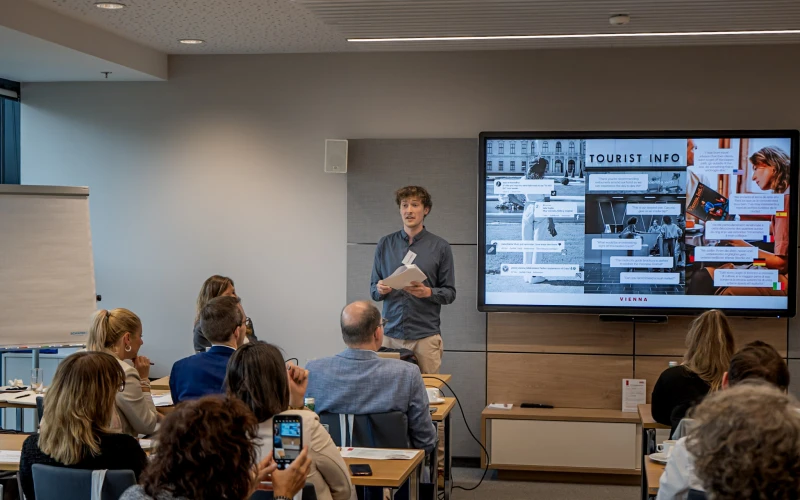
The third presentation was given by Jana Werl and Tobias Schreiber from Wien Tourismus. Initially, we heard about the situation and plans for tourism in Vienna. The rethinking was mainly prompted by crises and the growing population of tourists. Thus came the idea of optimal tourism, where growth is directed in a good direction. This includes high quality of life, sustainability, avoidance of monocultures, and protection of public spaces. It is essential that the satisfaction of residents and tourists is balanced. Then they presented the Heartbeat streets project. In this framework, beyond major tourist attractions, they involve the “neighborhood,” meaning the locals, so that they can also be part of the tourism experience, thereby providing an alternative program and opportunity for tourists to get to know the Viennese, and lastly giving local entrepreneurs a chance to share in tourism revenues.
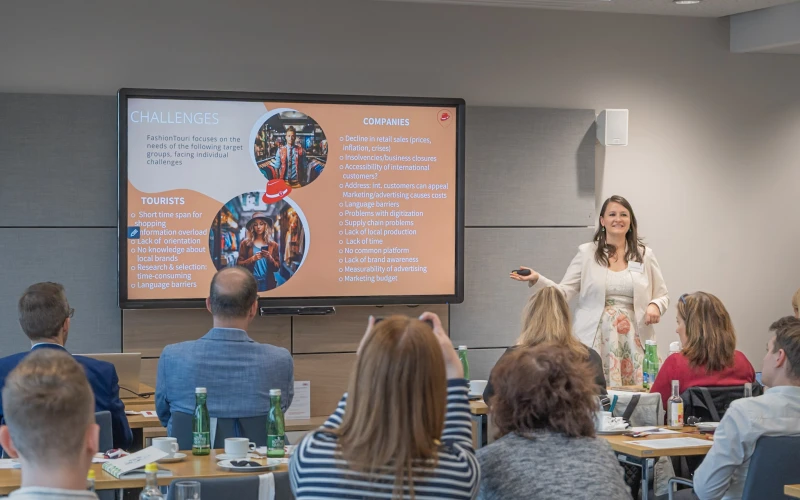
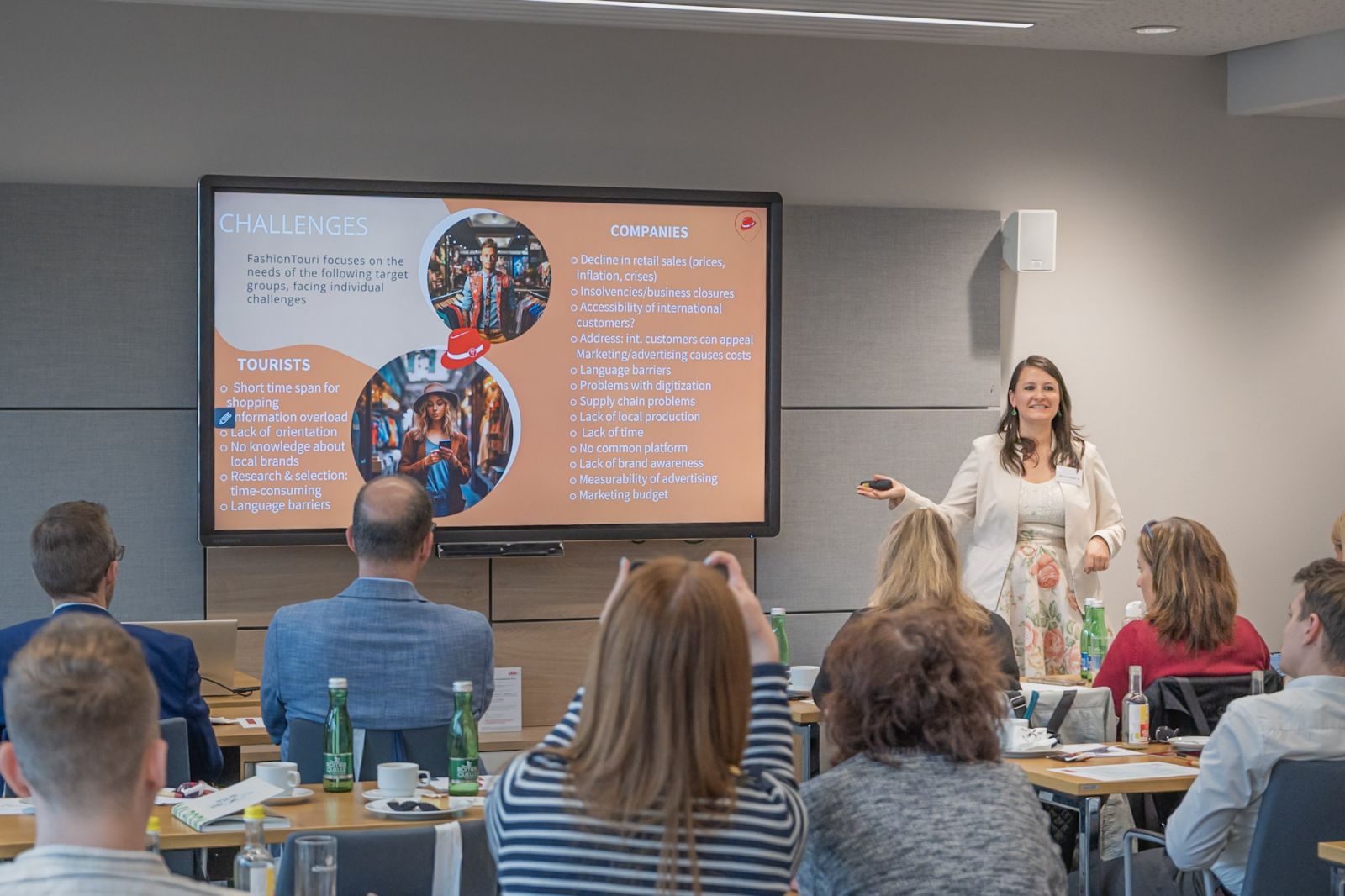
Our last presenter was Ronja Scherzinger, representing Fashion Touri. This is an online-connected customer community where users can discover local design and fashion stores through the app during their travels. The goal is to support small designers and stores, not international brands. The founder has already won numerous awards with this initiative, opening the international market for the businesses joining it. Currently, they are primarily present in Austria (in four cities outside of Vienna), but the app is designed for international use, so discussions have also begun in Italy and Hungary. The partnership between Fashion Touri and BUM can be a strategic fusion of fashion and tourism, opening up valuable opportunities to increase brand visibility, encourage direct sales from international travelers, and capture the rapidly growing, experience-oriented consumer market.
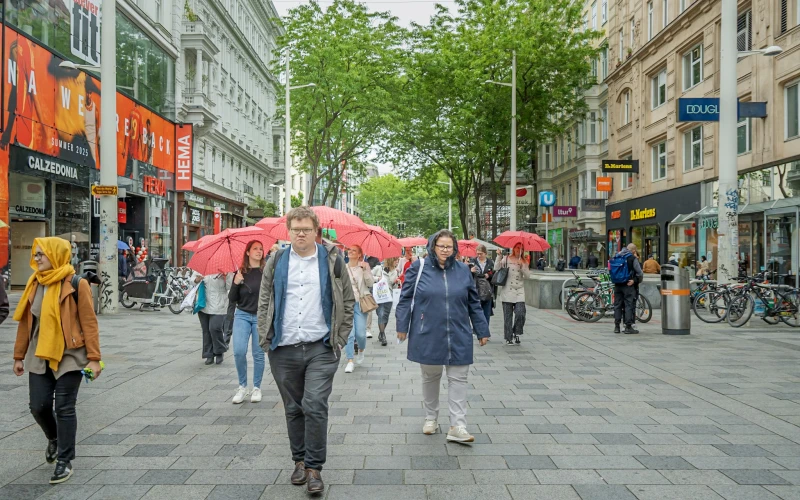
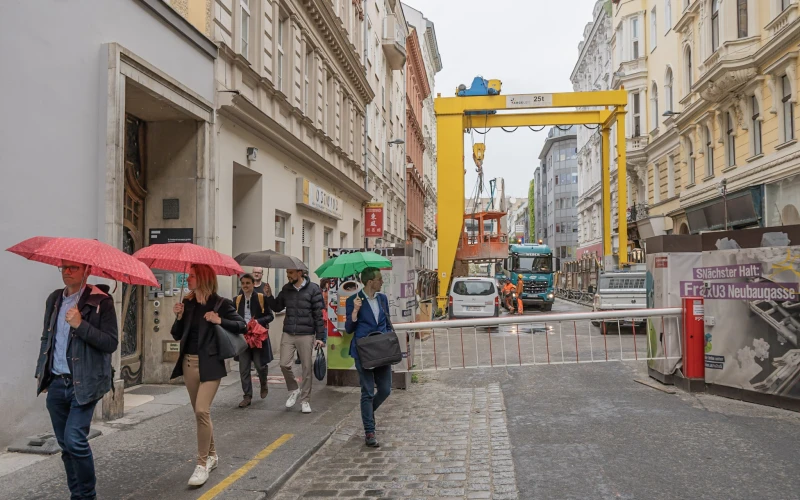
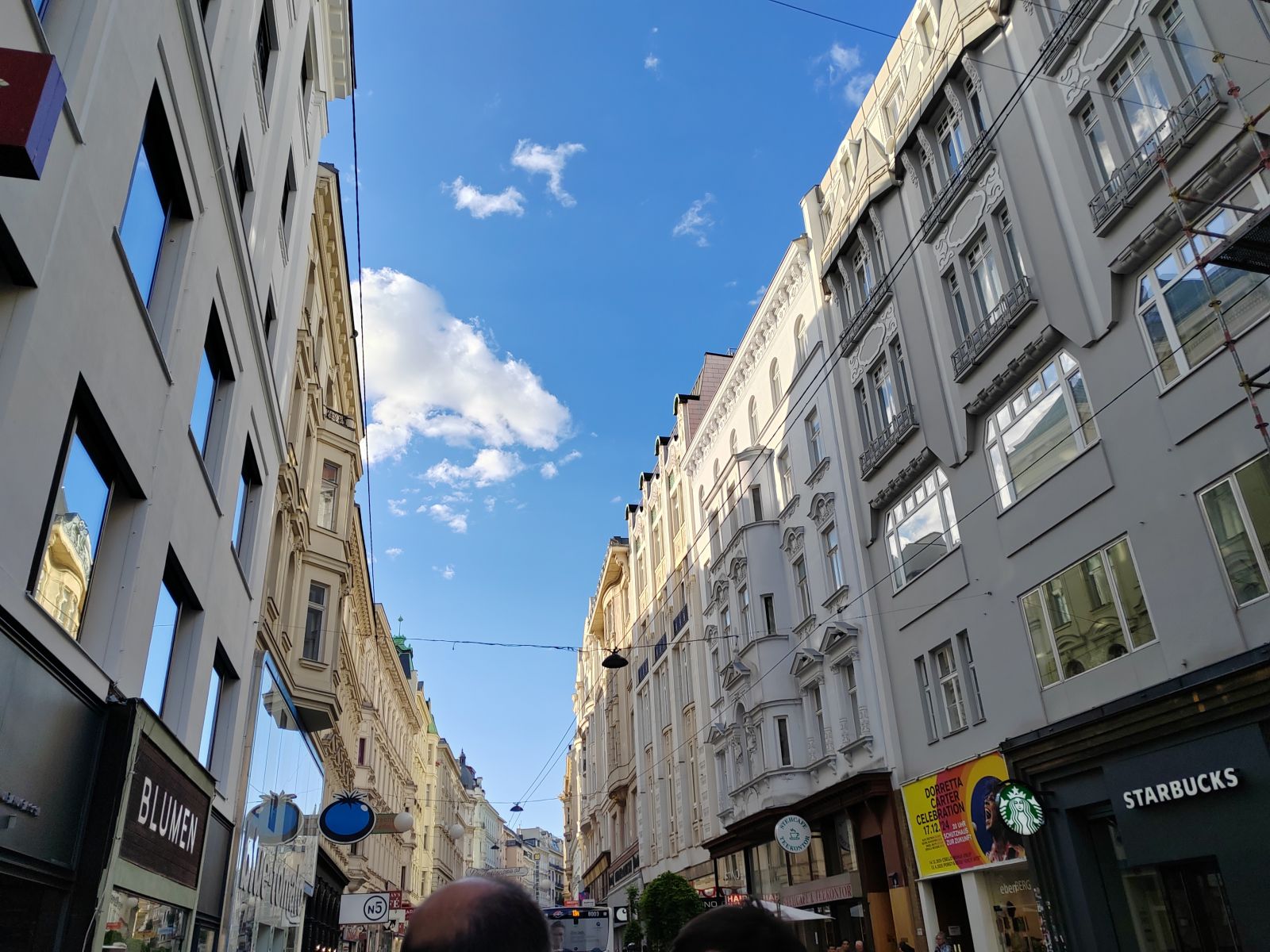
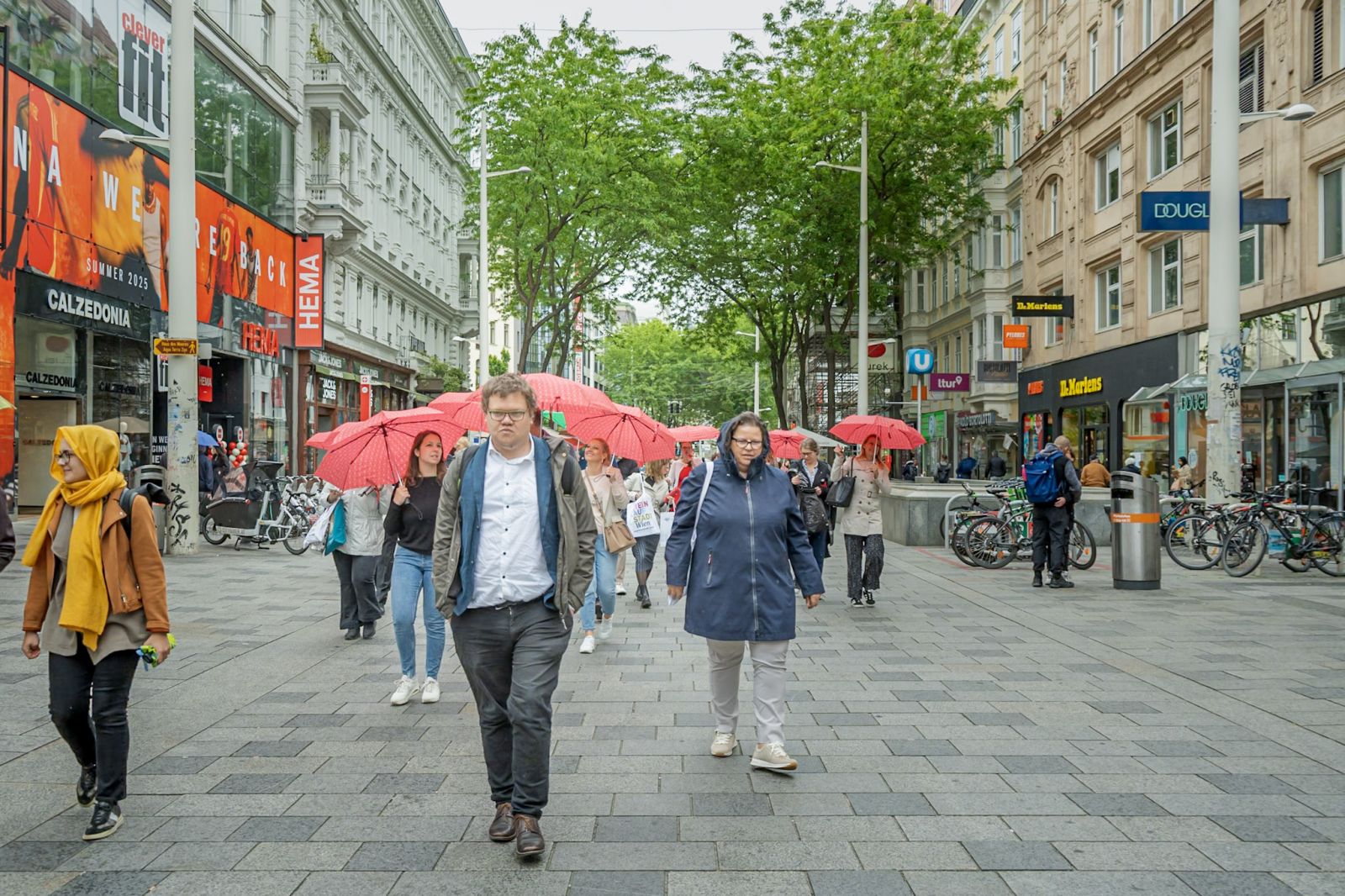
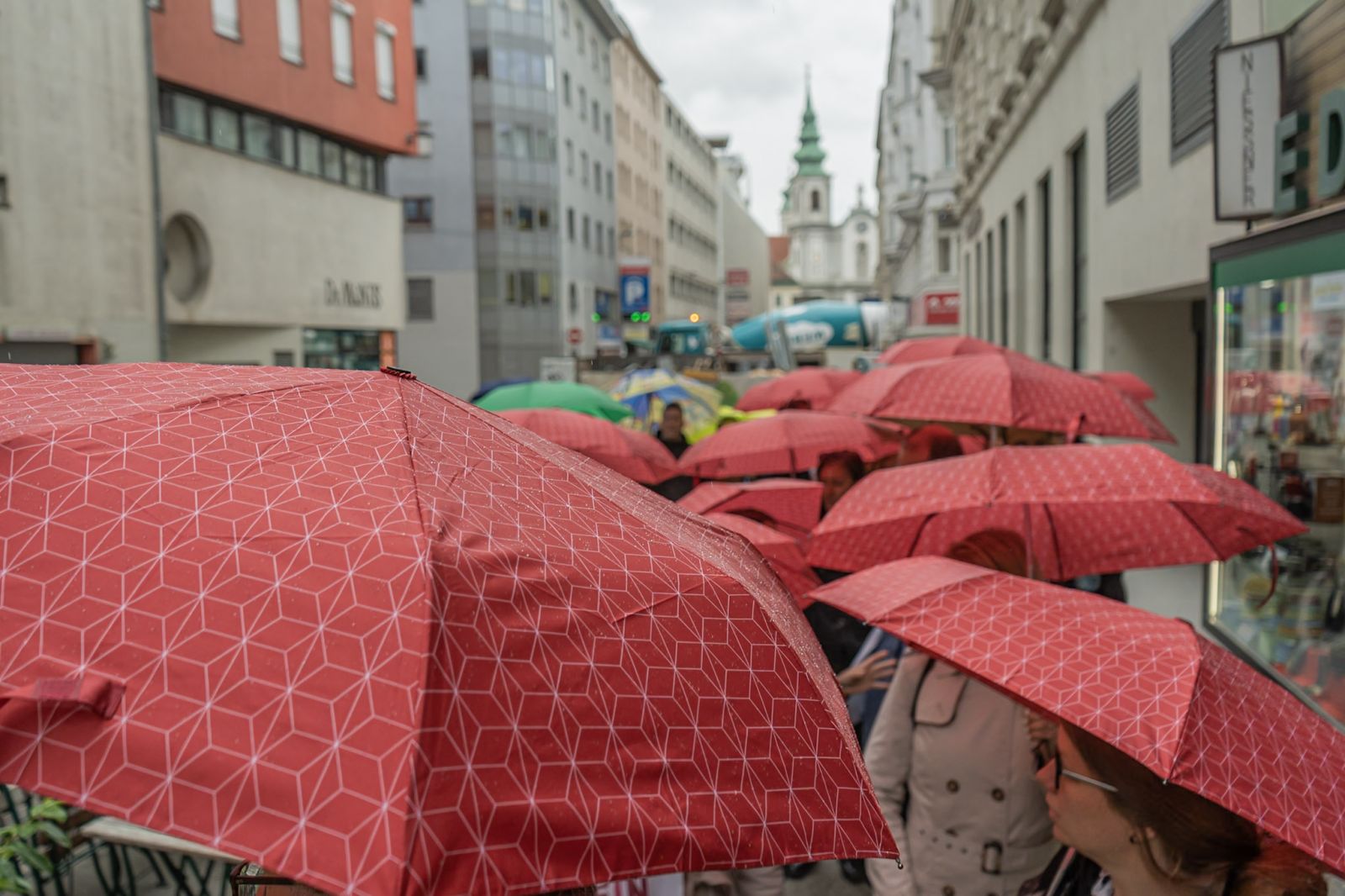
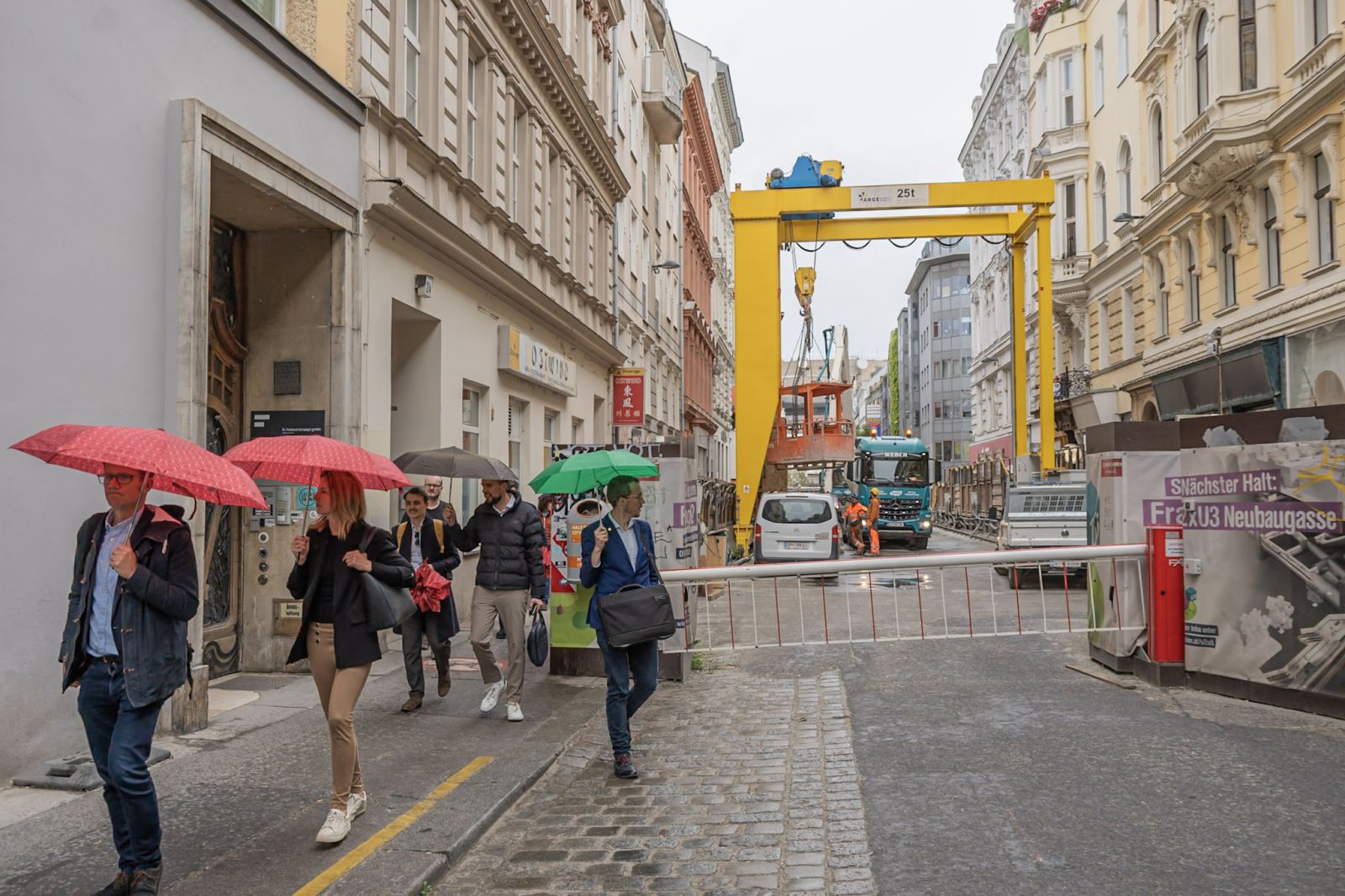
After a bit of refreshment, we continued our journey to the center of Vienna and first visited the 7th district under the guidance of Markus Frömmel, joined by Marie-Therese Croy-Dülmen-Gumprecht. Here we saw metro construction sites and were told how important it is to ensure the functioning of the businesses there during this time. They no longer close off the area, as they did many years ago, and use transparent protective walls to prevent an alley-like passage next to the shops. Additionally, they receive support and rent compensation, as well as small gifts to offer to customers. Moreover, they also organize events periodically, which encourages people to dare to enter these areas and use the services of the businesses present. In this, of course, not only the Chamber but also the city of Vienna is a cooperating partner.
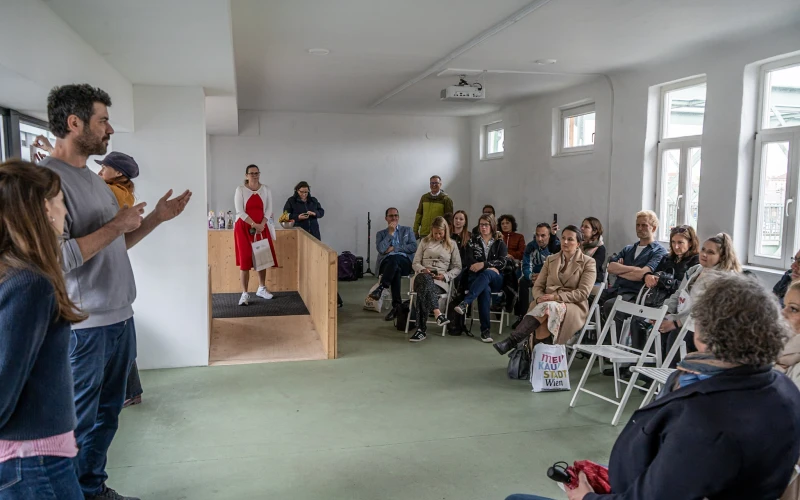
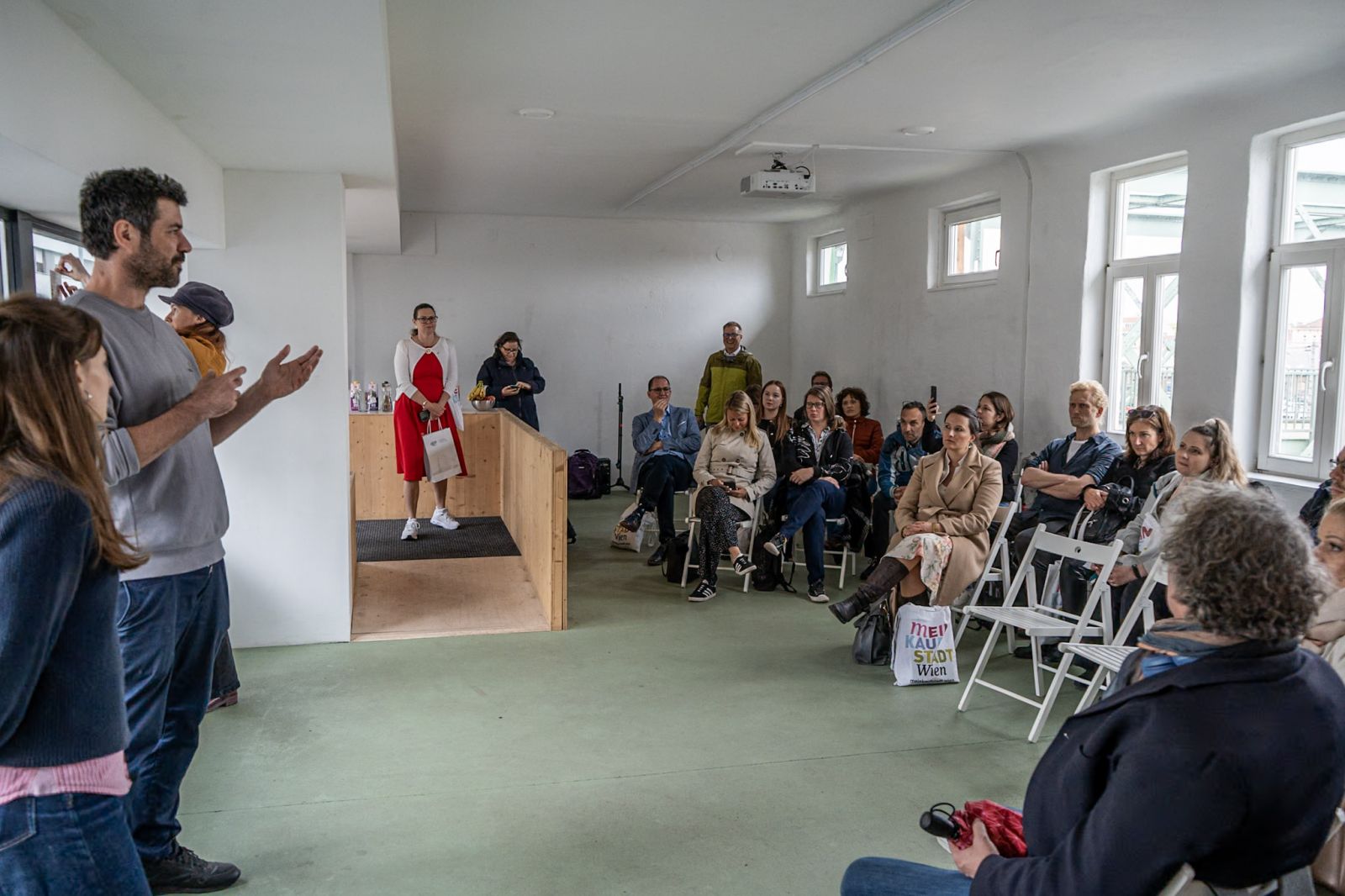
From there, we went out to the 15th district, where we looked at the project previously presented by the representative of Kreative Räume (Uli Fries). Stadtraum Mitte 15 was an old abandoned railway station, plagued by crime and an entirely unacceptable environment. With the ÖBB as the owner, the local municipality, and Kreative Räume's joint efforts, the building has been made usable and is rented out for community purposes for organizing various cultural events. Thus, there are exhibitions, professional presentations, yoga courses, and anything that is open to the community. Naturally, besides the building itself, the surrounding area was also restored, thus it has once again become part of the city, and the previous problems have ceased. Just by restoring it, giving it a function, and assigning an owner, this can serve as a really good example at home, in certain areas of Budapest.
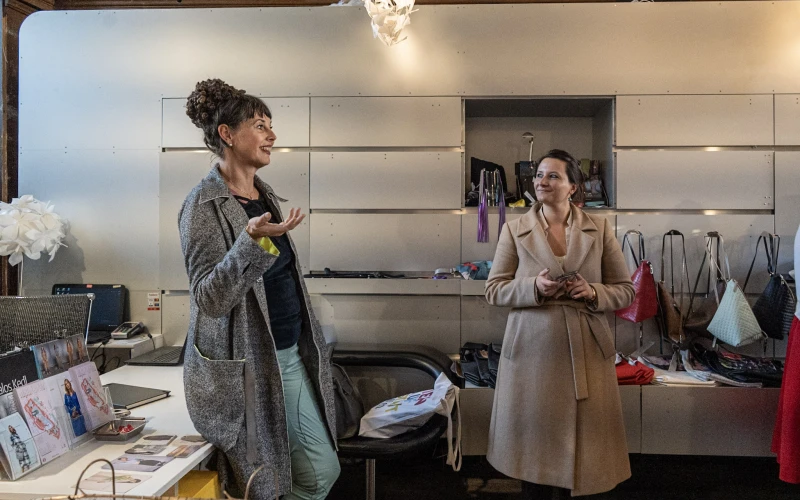
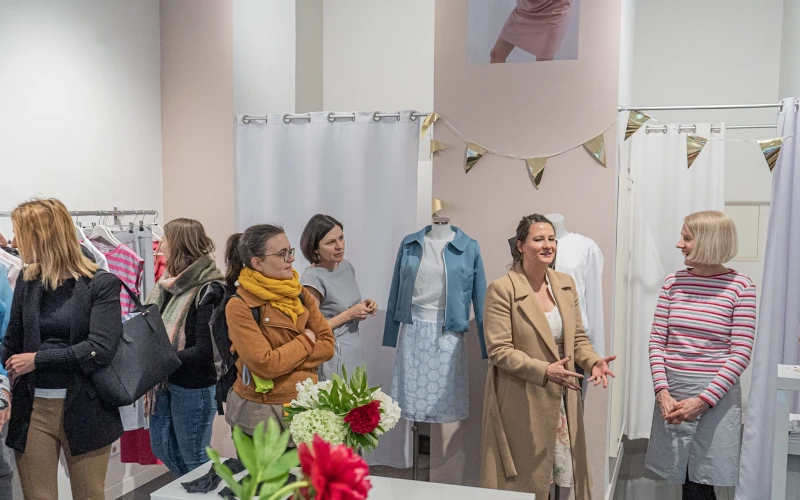
Afterward, Ronja Scherzinger took us to two places as well. Thus, we got to know Combinat, whose Hungarian owner is also the organizer of the Fashion Week abroad. In her shop, many emerging or already established international designer products can be found. We then ended our journey at Elke Freytag's, who were just celebrating and were the first to join the Fashion Touri team.
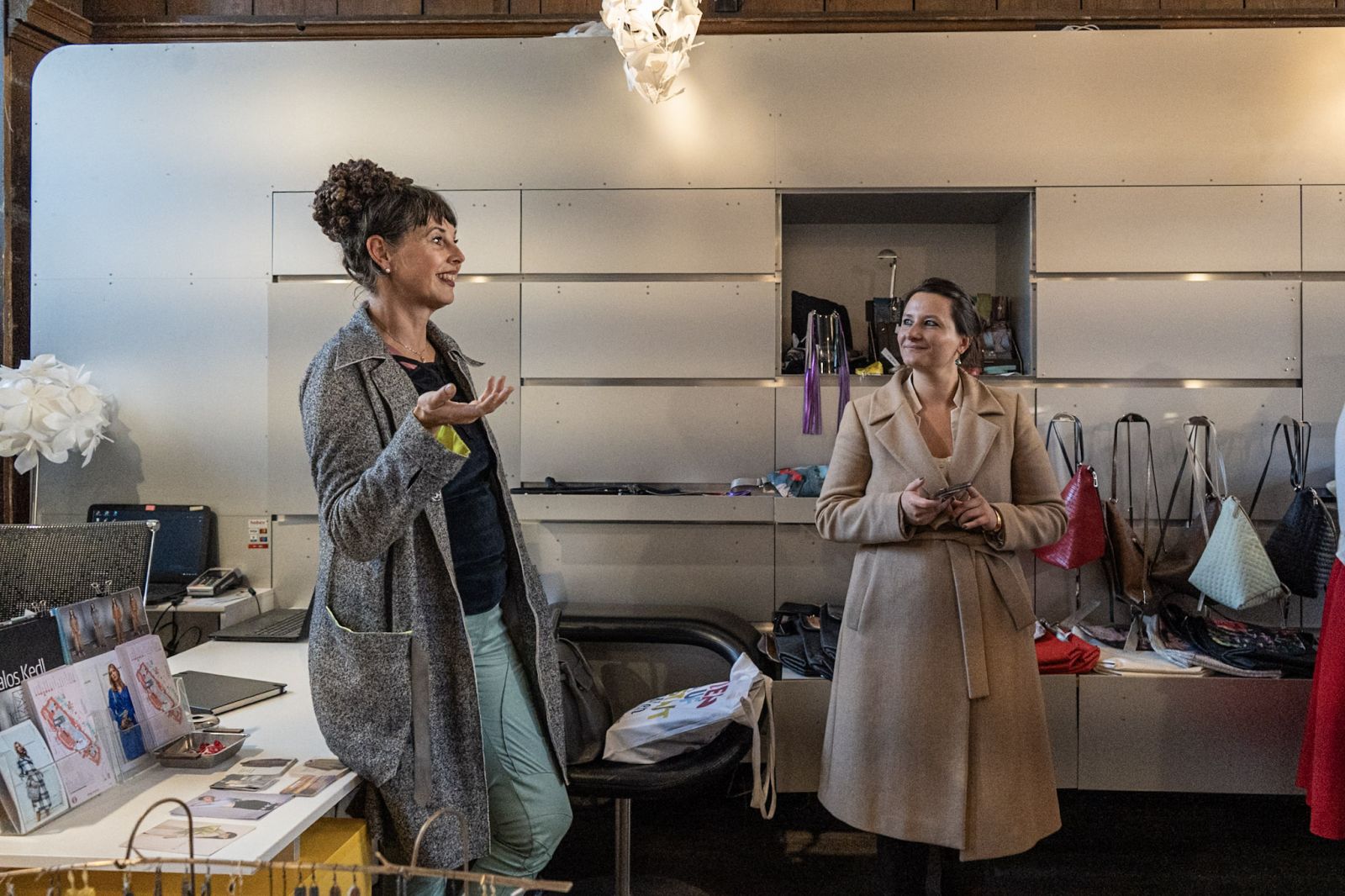
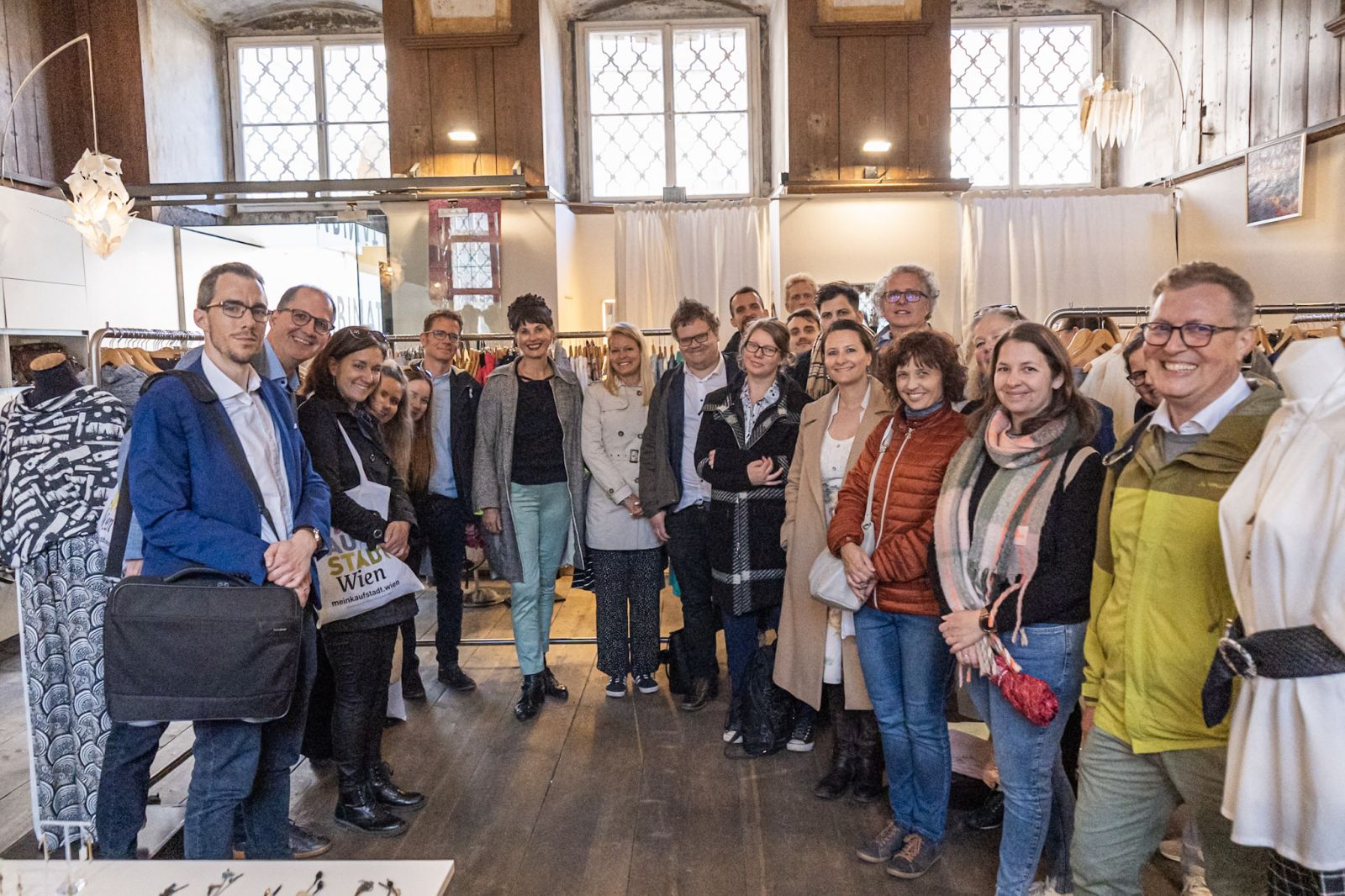

In the evening, we returned to Budapest satisfied and with many experiences. On behalf of the entire delegation, I can say that we had a great time, learned a lot, and every project we got to know added real value to this exceptional day.
We also received only positive feedback from the Austrian side. They were pleased with the joint day, the pleasant conversations, and that we strengthened the bridge between WKOimBezirk and BUM.
We definitely want to continue and maintain this special relationship between our organizations. It is good to learn new things or to receive confirmation that we are moving in the right direction!
Photos taken by: Bence Kisbali (Cloud Media)