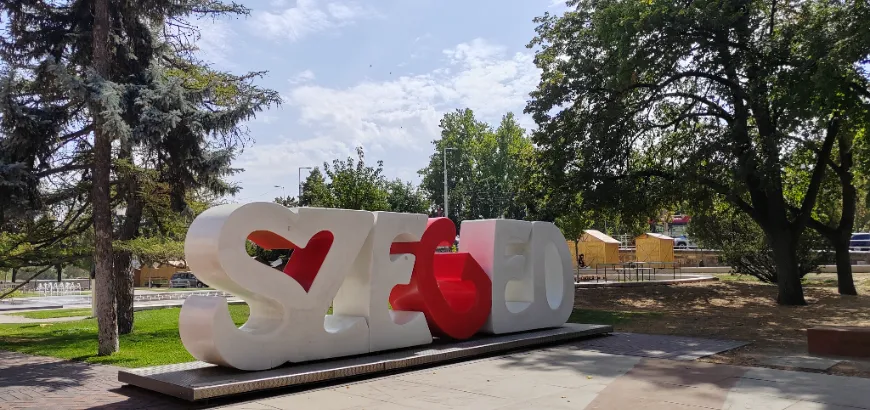
They were searching for the code of Szeged – the BUM also shared its experiences.
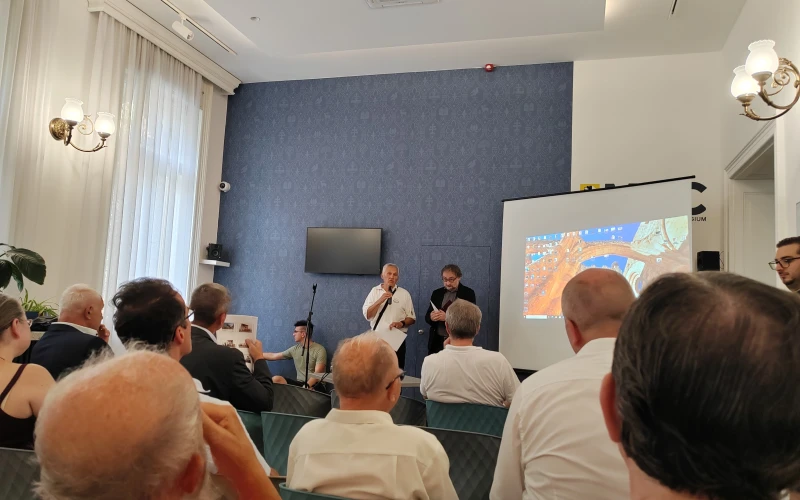
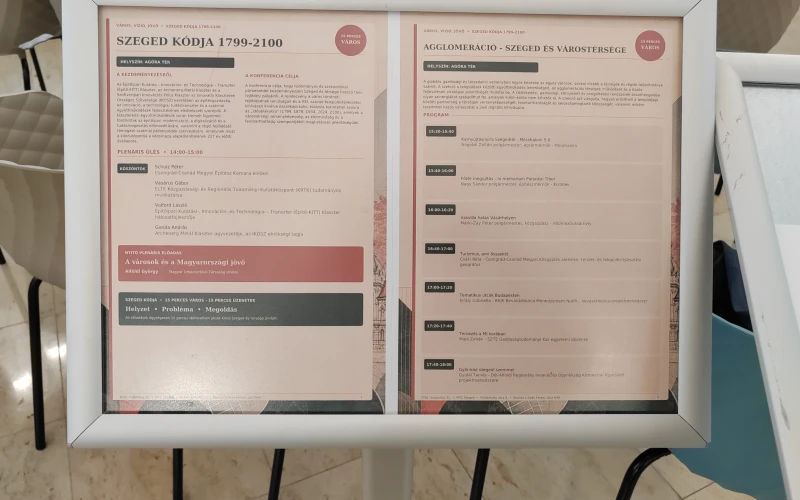
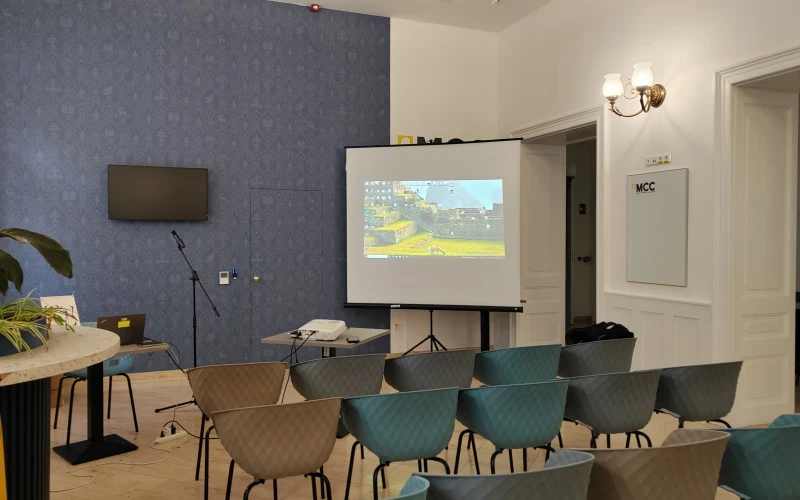
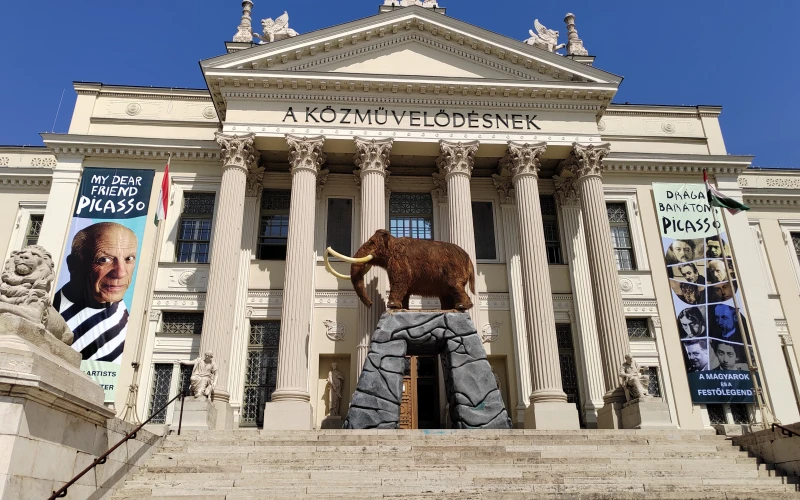
How can Szeged be a livable, sustainable, and competitive city in the long term? Participants at the professional conference titled "Szeged Code 1799–2100 – City, Vision, Future" sought answers to this question on August 31, 2026. At the event, BUM Shopping Street Management also presented its experiences related to the operation of thematic streets and the development of local business communities.
The conference placed the thinking about the future of Szeged into a historical perspective: from the cornerstone laying of the city hall in 1799 and the urban development lecture series held in 1933, it looked forward all the way to 2100. The plenary and sectional presentations examined how the lessons of the city's development can be connected to the challenges of the 21st century, and what decisions can lay the foundation for the future quality of life, sustainability, and competitiveness of Szeged and its region.
In line with the concept of the 15-minute city, the speakers presented their viewpoints in 15-minute blocks. The program included aspects such as the built and natural environment, the relationship between people and the city, and the cooperation opportunities of Szeged and its metropolitan area.
The BUM was represented by Gabriella Király, the manager of the shopping street, who demonstrated through the operation of thematic streets how the local economy can also become a community-shaping force. The focus of the presentation was on the role of ground-floor shops in urban life, collaboration among entrepreneurs, shared identity and communication, as well as the economic revitalizing effect of cultural and community programs.
We presented the research, community-building, and business development activities of BUM, as well as the Living City Centers program, in which we collaborate with local stakeholders in Miskolc and Sopron, alongside Budapest. According to our experiences, there is no one-size-fits-all recipe for every city: the foundation of effective solutions is mapping local conditions, listening to entrepreneurs and other stakeholders, establishing relationships, and then engaging in joint action and learning from the results.
The conference reinforced the perspective that also defines the work of BUM: a city becomes truly vibrant when not only its spaces but also the relationships operating within it are strong.