
Terrace, trend, awareness - hospitality strategies for the summer in Budapest
New Trends in a Changing World
- It's very important to follow the seasons, but it's not just about reflecting on the changes in agricultural seasons - says Dániel Bezerics, owner of the Paletta Bistro and Tompa17 café on Tompa Street, when we ask how they are preparing for this year's summer season. He believes that the seasonal change is not only about the ingredients and preparation of dishes – it also requires adapting to the guests' mood and well-being. – People are completely different in summer than in winter, but they are also different in June and August, and we need to be able to accompany these conditions with our offerings.
The program offerings are one of the most effective tools by which hospitality venues align with the rhythm of summer, bringing that light momentum that we crave at this time. According to Tibor Bosznai – who is behind Hadik Café, Szatyor Bar, Púder Bar Theatre, and Rebel Burger – this year, two major trends can be observed: the rise of daytime events and creative collaborations.
– Although it's not a completely new trend, the tightening of store closing times has led to the development that many places that previously held nighttime events are now organizing daytime events as well. Additionally, there are many collaborations, where competing hospitality brands join forces, for example, when they collectively organize a festival at venues on Bartók Béla Boulevard – explains Tibor Bosznai, who believes this can help a business express its identity better and stand out from the communication noise. Rebel Burger, for instance, collaborates with street art artists, presenting unconventional exhibitions to bring contemporary cultural impulses into the fast-food world: recently, works by Miss KK and Brunszkó “Nikon One” László appeared on the walls, and they are soon preparing a joint action with West Coast Barbers.
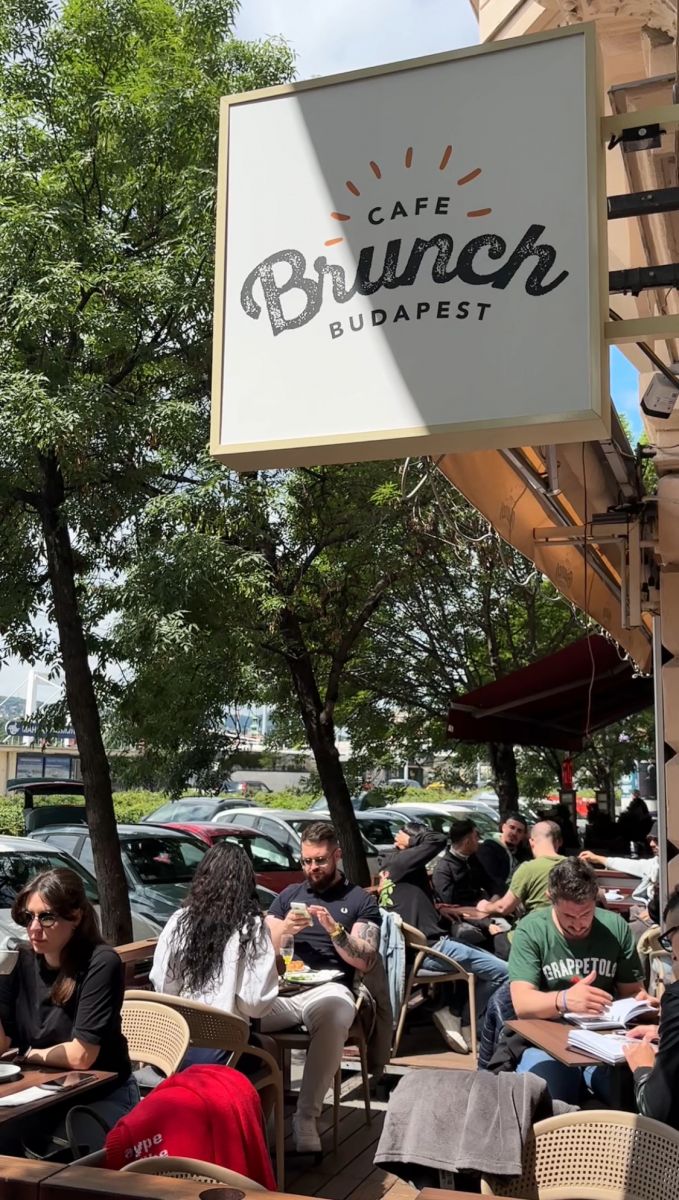 The culture of breakfast is also increasingly reaching new heights in Budapest.
- Now, more and more places are trying to offer brunch, but we are truly specialized in this. This lifestyle has become our brand – says Tamás Kocsmáros, owner of the Cafe Brunch breakfast restaurant chain, who has strengthened the chain this year with the opening of four new units. - This year, we opened our first unit outside Budapest in Szentendre to see if this concept can work there as well. In addition to the rural opening, the chain has also expanded in the city center, opening a new store on Belgrád rakpart, and in May, our first franchise store opened in Anker köz, in collaboration with Madhouse Bistro. Along with the new locations, the bakery on Hajós Street has also been renewed, functioning as a showcase bakery. According to Tamás Kocsmáros, in recent years, the feeling of having a good breakfast has become increasingly popular not only among foreign but also Hungarian guests. The composition of their guest base is also changing, with about a 70-30 percent ratio between foreign and local guests, which has already shifted towards Hungarians.
Location: not just a geographical question, but a dynamic strategy
During the summer season, different districts of the city behave quite differently – and hospitality workers feel this up close.
- On Király Street, where the flagship store of Rebel Burger operates, summer truly explodes – there are a lot of tourists, and the street is bustling. In contrast, it is much quieter during this period in Újbuda, in the Bartók district – shares Bosznai's experiences. The Púder on Ráday Street tends to come alive more in autumn and winter, while during the summer, all life moves to the terrace. The weather is often not a blessing but a dilemma: - We never know what to root for – if it's cooler, more people come into Hadik or Púder, but if the weather is good, everyone sits on the terraces in downtown.
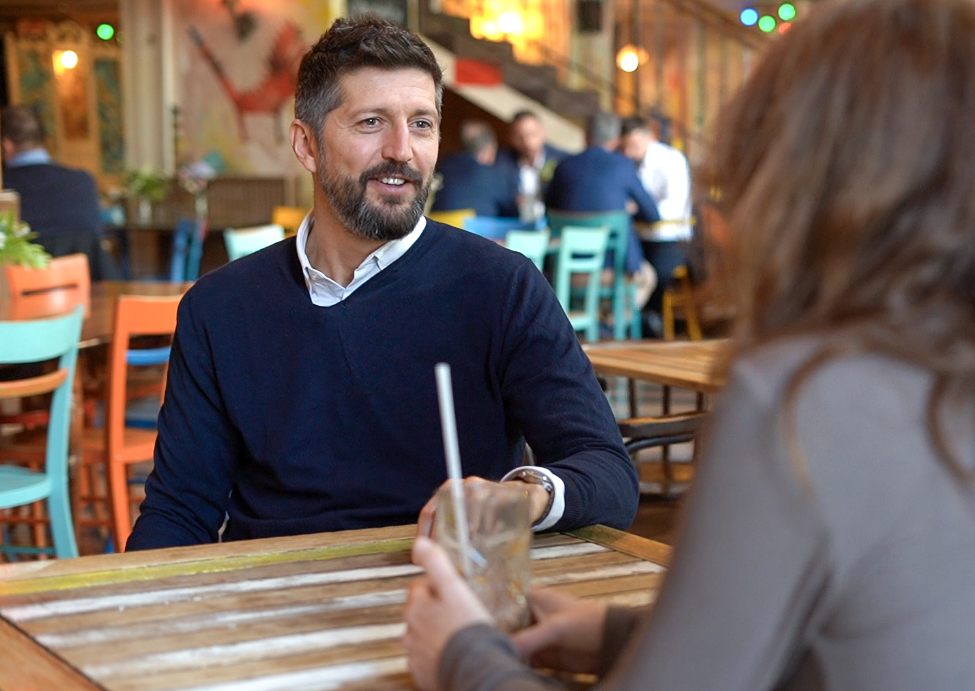 Terrace – the true star of summer
Summer is the time for outdoor dining, and the most important venues of the season are terraces, which not only represent extra tables but also play a role in shaping atmosphere and traffic – strategic opportunities to enhance the atmosphere and attractiveness of the place.
- On Bartók, Hadik has the largest terrace, and Gárdonyi Square completely greens out at this time, thanks to the vegetation that was planted a few years ago – says Bosznai. The terrace of Hadik is shaded by a Lebanese cedar tree, which was planted by the Lebanese ambassador as a reminder of the heritage of Tivadar Csontváry – the painter once worked in the artist's apartment above Hadik, and his most famous work depicts a cedar tree. – On Wednesdays, afternoon DJ sets under the name Midweek Crisis start with Johnny Drama, literary cocktails, and discounts. At Púder, special gin and tonics are tastied at Gin&Jam nights, while Rebel Burger's summer edition appears at Pontoon, Budapest Park, and in the Majomhoz garden.
Bezerics Dániel expresses similar thoughts about the two Tompa Street units:
- The terrace of Paletta, with its huge lime tree, feels like sitting in a lush garden, a green oasis. There is live music every Thursday, we grill on Saturdays, and on Sundays, classic lunch awaits guests – there is a permanent festival atmosphere. On August 23, we will arrive with the Italian job featuring organic ingredients from Sicily, Italian friends, Italian flavors, and a Mediterranean lifestyle. It's a ferragosto. So it will surely be wonderful.
Gastronomic Responses: Permanence and Renewal
The dynamics within menus is a key issue this year as well. At Cafe Brunch, the offerings are deliberately multicultural, featuring international favorites such as Eggs Benedict or avocado toast. The main menu, inspired by international and domestic trends, is refreshed once a year, while the seasonal offerings, which change every two months, serve as experimental grounds.
- On these, we can test how they are received, the flavor combinations, the presentation – if it works, it can then be added to the main menu - says Tamás Kocsmáros. This year, the greatest surprise has been the success of the American breakfast. - I didn’t think this would be such a hit – pancakes, bacon, fried eggs, maple syrup on a plate. For a European, this might seem like a lot, but guests love it.
At Cafe Brunch, they also pay attention to health-conscious offerings: gluten-free, vegan, and lactose-free options are part of the selection, although Kocsmáros believes that “this is more of a constant layer, not a dynamically growing trend.
At Paletta, the menu change is not a season-start campaign but rather a constant, organic movement. - We change the menu monthly, but this never means a complete menu overhaul; it’s a continuous renewal, step by step, item by item. While the winter menu features long technologies and warmer, deeper flavors, our summer menu offers a vibrant freshness. And of course, there's the iconic ice cream of Tompa 17, which Bezerics believes should be “something that people crave.” Since the beginning, they make their own ice cream every summer; the offering is purposefully refined and based on classic foundations: alongside timeless vanilla and chocolate, there’s salted caramel, Sicilian pistachio, and two sorbets, one of pink pepper cherry and one of lavender apricot, the latter in a sugar-free version. Ice cream making is a special passion of Dániel, born from a nostalgic childhood memory: - The flavors of Jordanics Confectionery in Keszthely from the late '80s have burned themselves into my memory. To this day, I search for that kind of refined, honest ice cream where everything is as it is.
Sustainability - not a luxury but a requirement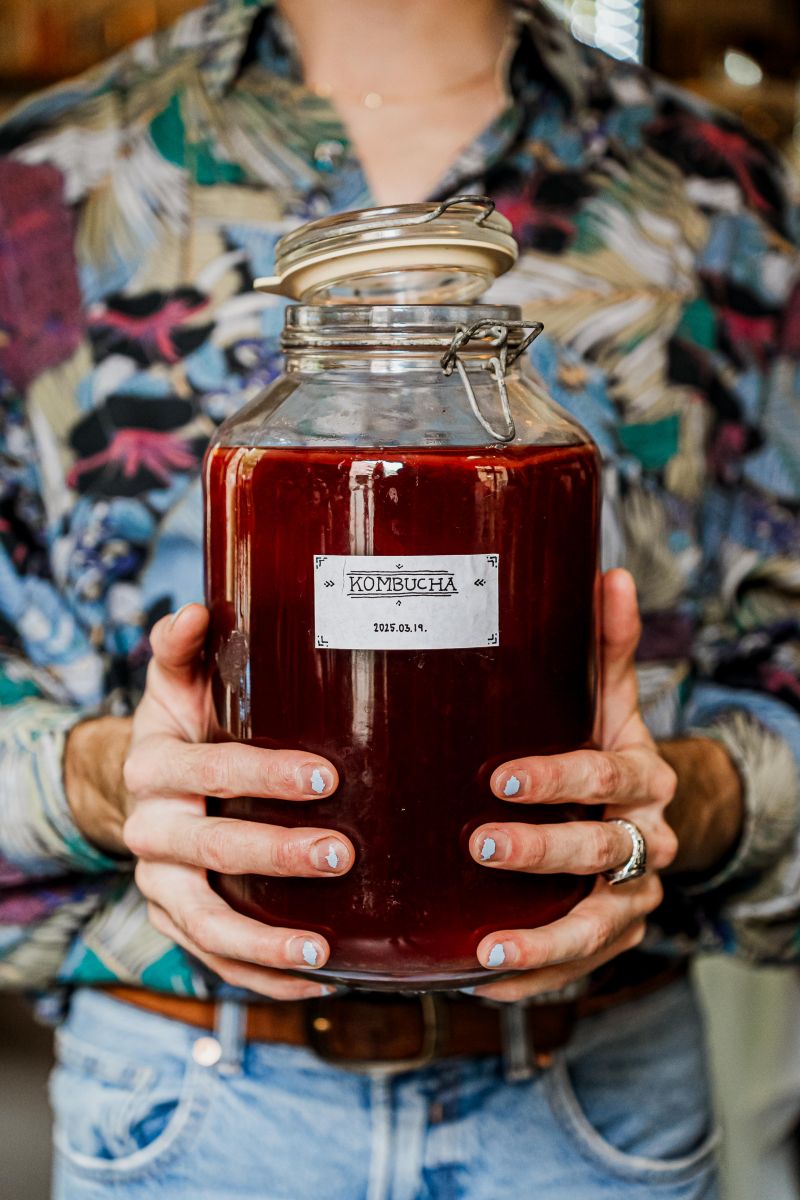
Guests are more conscious than ever: they inquire where the ingredients come from, how waste is managed, and what is on their plate instead of meat. Climate change, food waste, and environmental burden are no longer theoretical concepts but daily dilemmas that hospitality workers must respond to. Not only for the environment but for their own future as well: sustainable operation is not just social responsibility but also a long-term business advantage. Local sourcing is particularly important. Bezerics Dániel explains: - We love to work with producers. The more producers we can involve in the cooperation, the more we contribute to a more sustainable world. On the last page of the menu, they showcase a map showing where the ingredients come from – further reinforcing the importance of transparency and short supply chains. Tompa17 also makes its own kombucha, water kefir, and homemade syrups.
The example of Rebel Burger shows that demand for vegan dishes is also growing. They developed the Middle East Burger together with Kristóf Steiner, which became so successful that it made its way to the permanent menu. Sustainability is now not a luxury but a requirement. - It’s like whether there’s a chair at the hospitality venue – that’s basic – says Tibor Bosznai. Following the recommendations of the Responsible Gastronomy organization, they have reconsidered many aspects of their sustainable operation, from faucets to paper towels. They regularly collaborate with civil organizations: Púder previously hosted the Igazgyöngy Foundation, while recently, Rebel worked with the Tekerd Foundation, and this year Hadik’s partner is NANE.
Guest-Centeredness and Community
The essence of hospitality still lies in the guest experience, which is a constant challenge for entrepreneurs as demands are constantly changing. According to Dániel Bezerics, customers are becoming increasingly conscious, and current fashion trends become even more valuable, allowing more of them to remain after the fashion wave, making the offerings more valuable, which is a positive outcome of the process. It is also becoming clearer that a committed team is needed to meet these demands. According to Tamás Kocsmáros: - We’re not selling omelets; we're selling a lifestyle. The experience is provided by the atmosphere, the smile, the attitude. Motivating the staff is particularly important, and they have serious team-building activities; the 80-person team receives a lot of support, for instance, they organize an annual dinner for colleagues who have been with them for over four years. - We really try to create a family atmosphere.
The community network is built not only internally but also externally. The role of regular guests has been elevated – they were the first to return after COVID. Entrepreneurs agree that today’s guests are looking not only for good food but also for value, authenticity, and real stories – and they find this as well.
- We are very grateful to the Bevásárlóutca Management – says Tibor Bosznai. - It's good to have a dedicated organization that helps us, whom we can call anytime. I consider this initiative to be a very good information hub.
From Season to Season 
The summer season of 2025 in Budapest’s hospitality industry is about creativity and the creation of value-based experiences. It's encouraging to see entrepreneurs adapting flexibly to changing guest demands while preserving their authentic character. The emerging new hospitality experiences shaped by terrace culture, local sourcing, and collaborations point to a promising future for the sector. Today, hospitality venues interpret the concept of good living differently, emphasizing quality over abundance, consciousness over waste, and authentic experiences over unlimited consumption. This is not renunciation, nor a compromise, but added value and a richer, deeper choice.
A shorter version of this article was published in the summer issue of the Quality Wines, Foods, Lives Magazine, and the current issue of the magazine is available for download below: