Study tour in Bratislava: in search of good practices in urban development and public space renewal
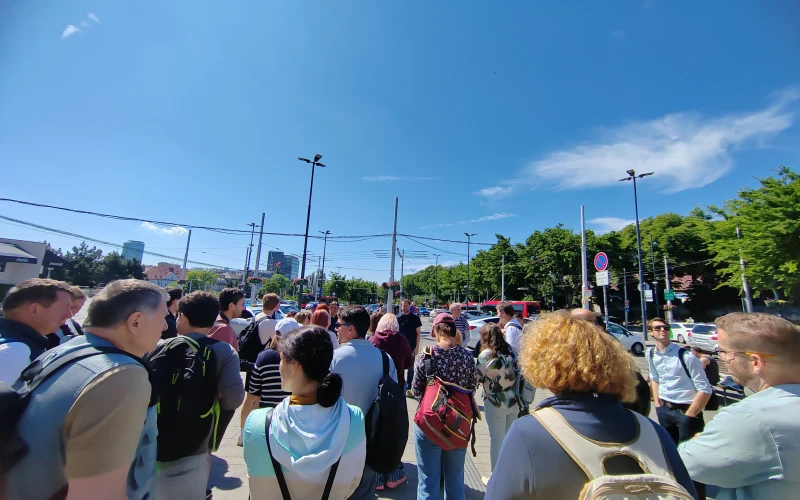
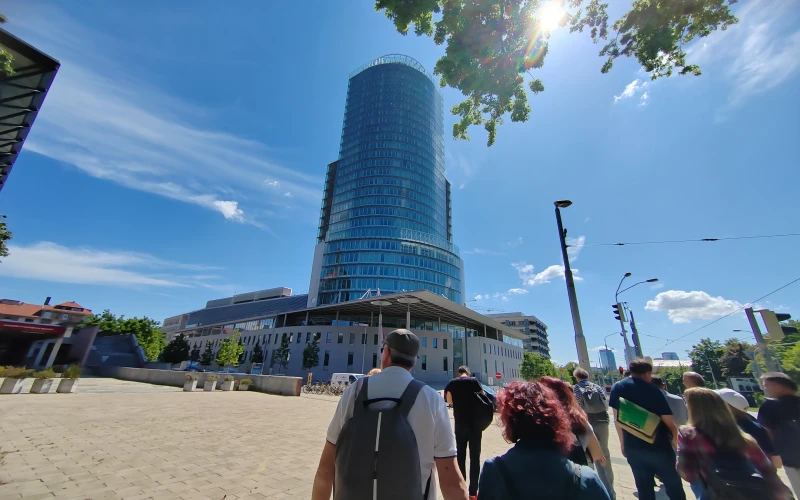
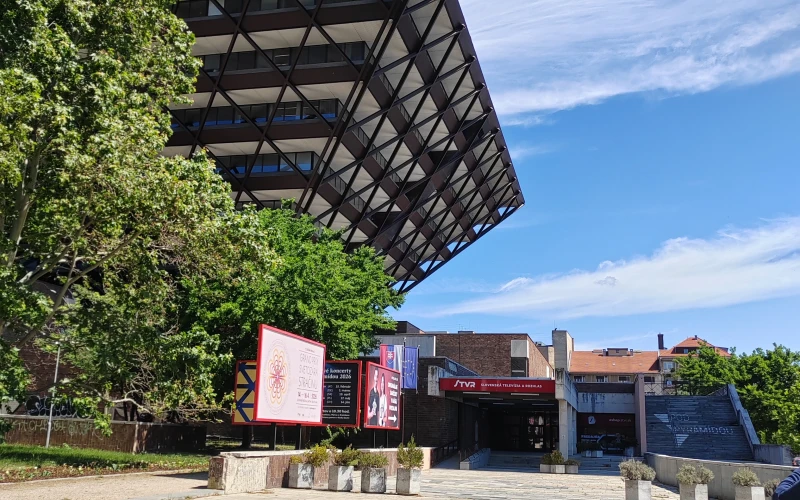
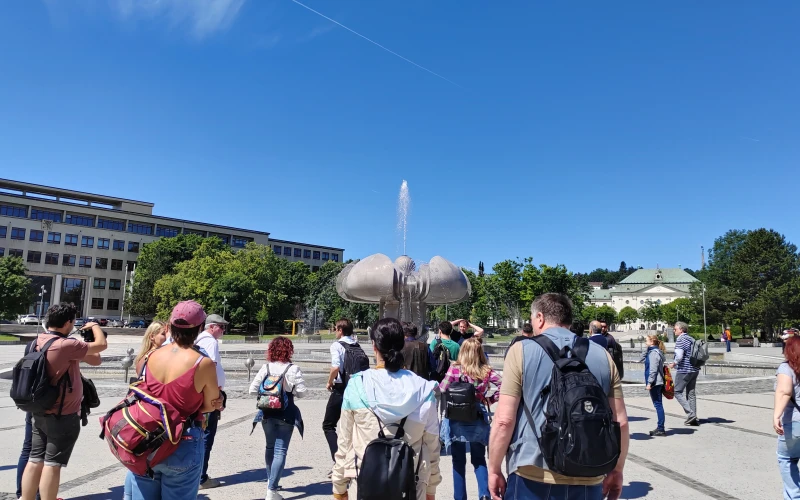
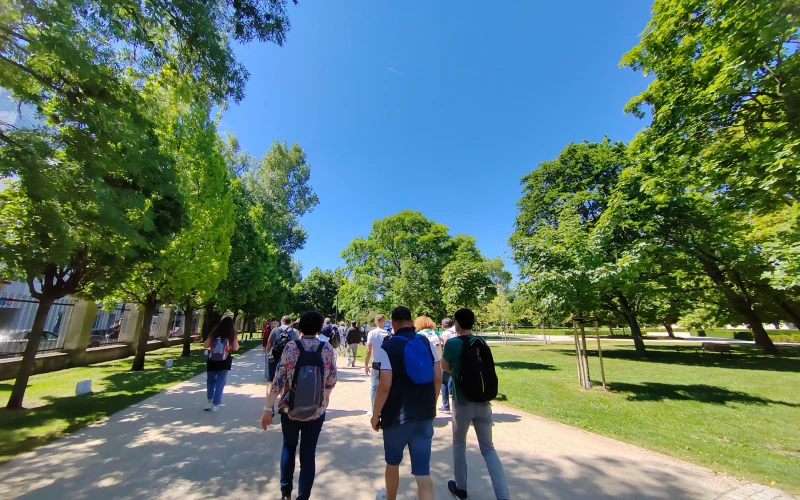
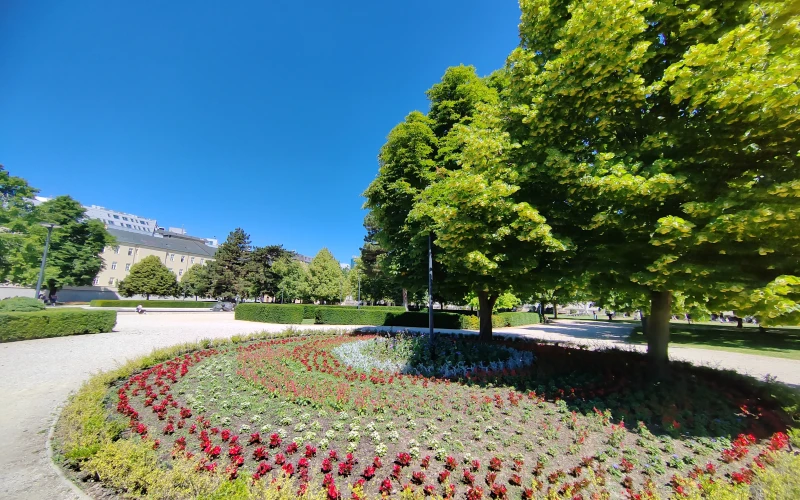
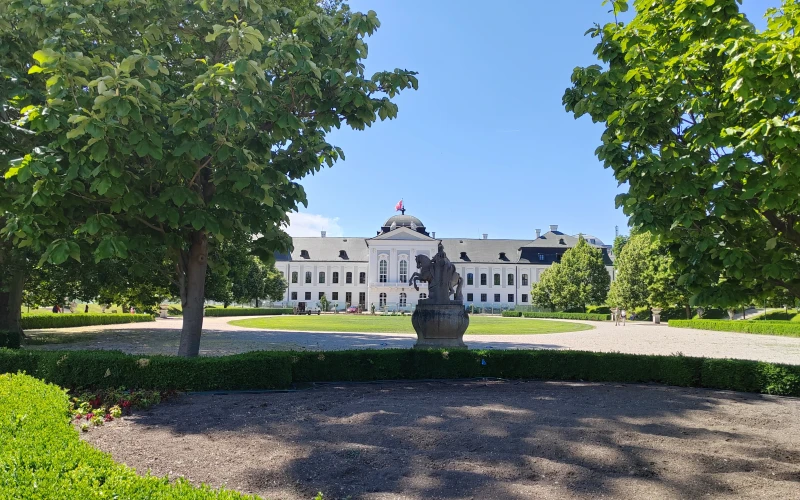
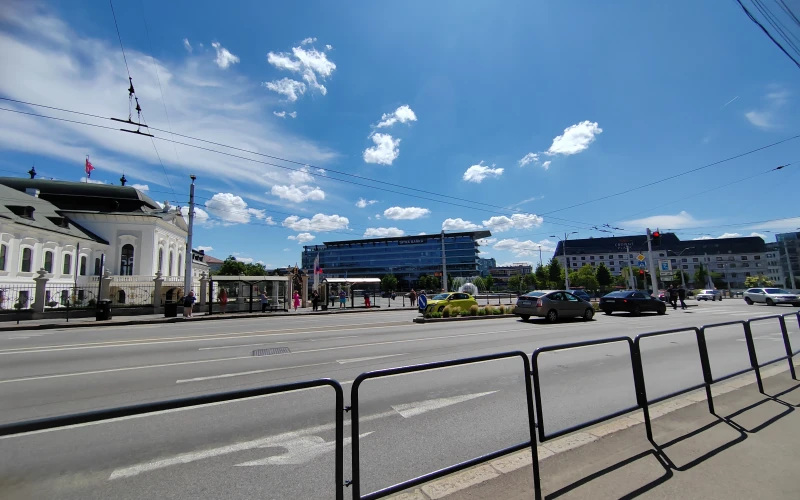
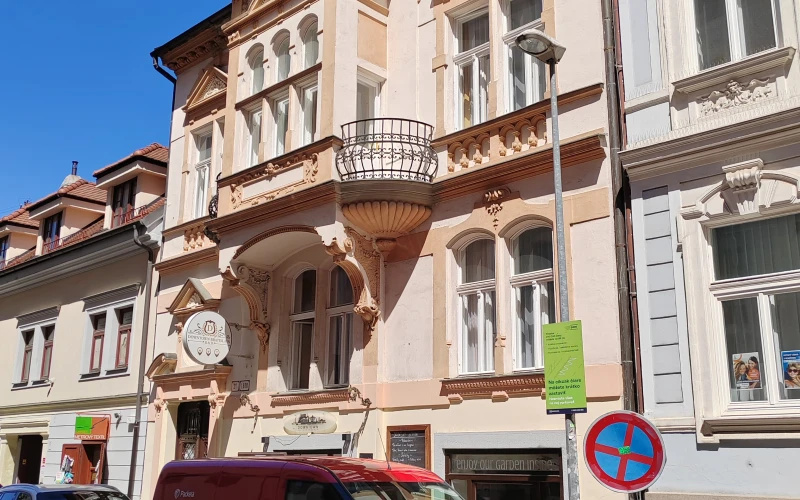
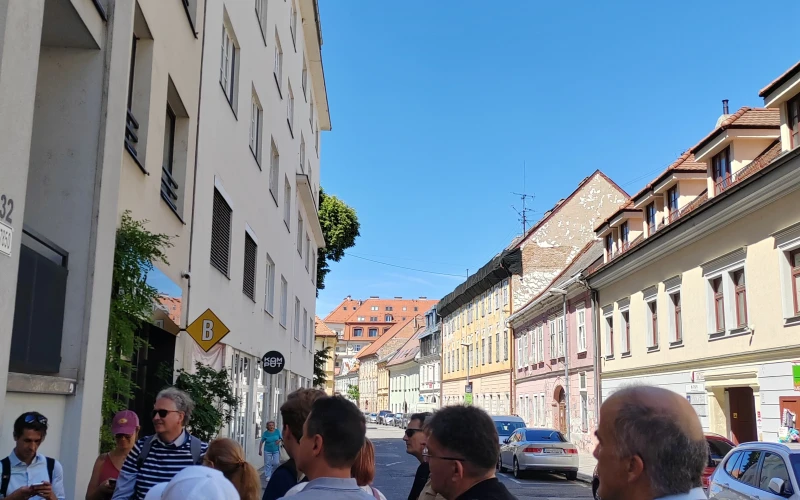
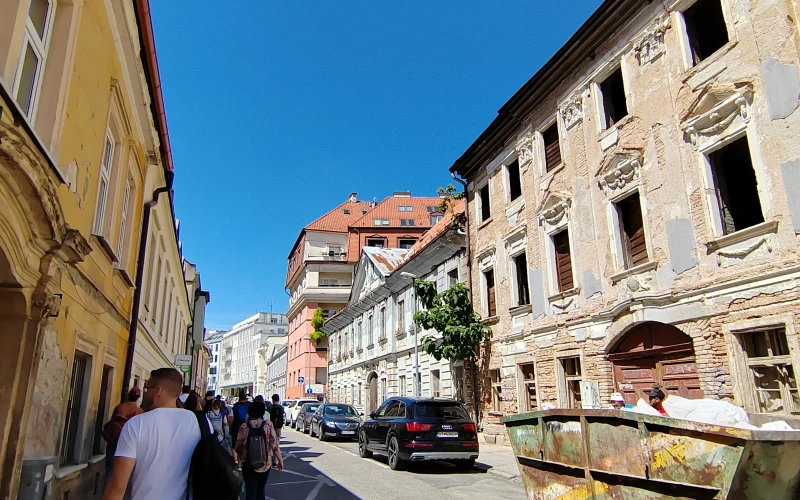
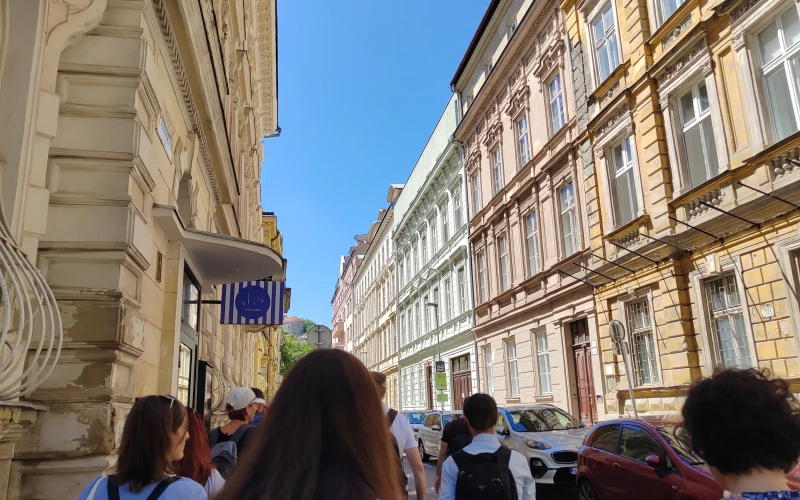
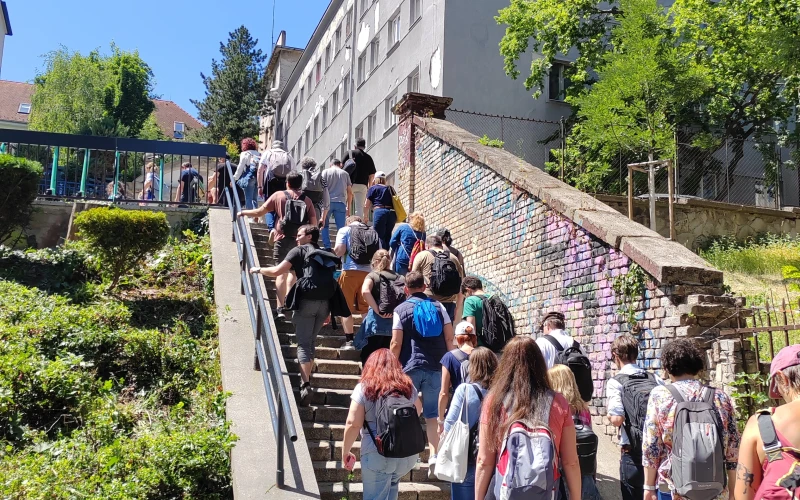
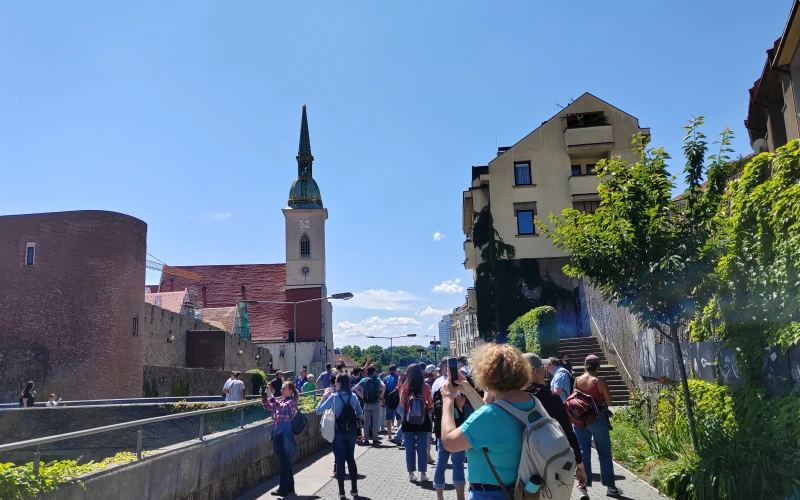
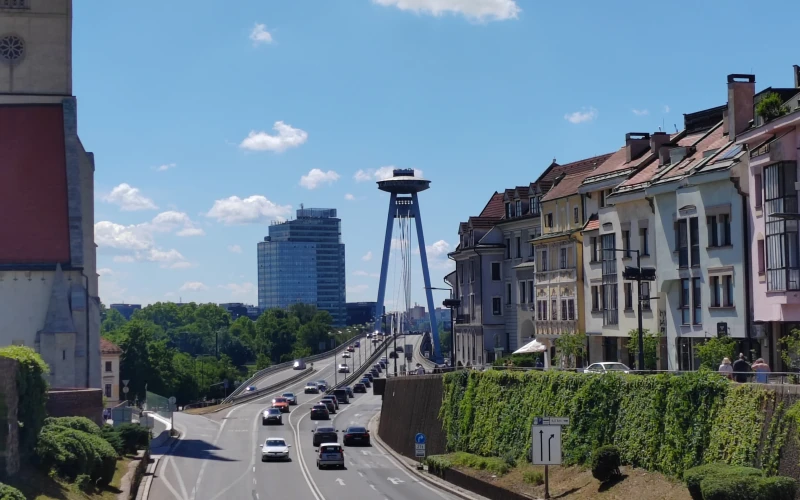
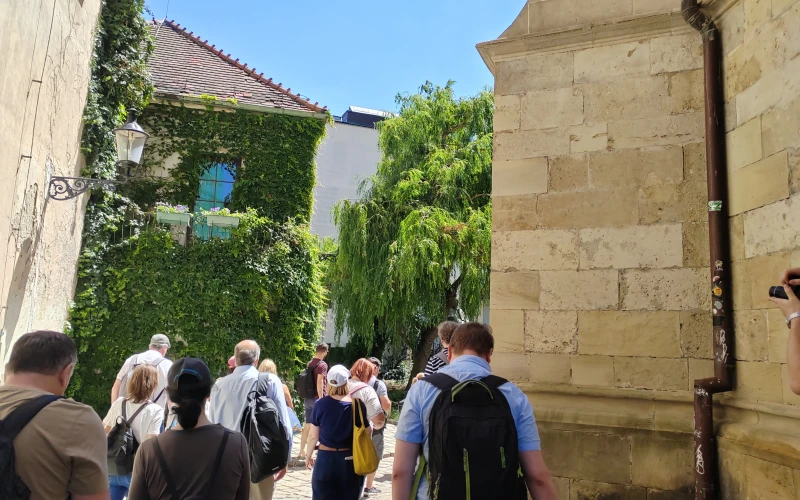
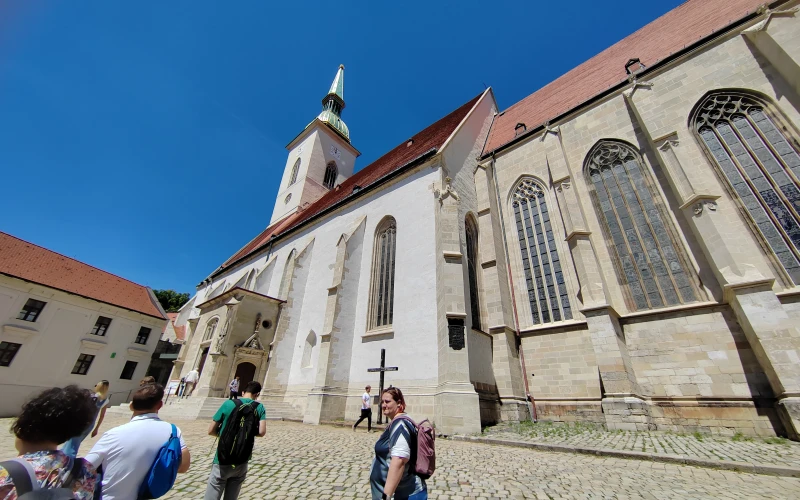
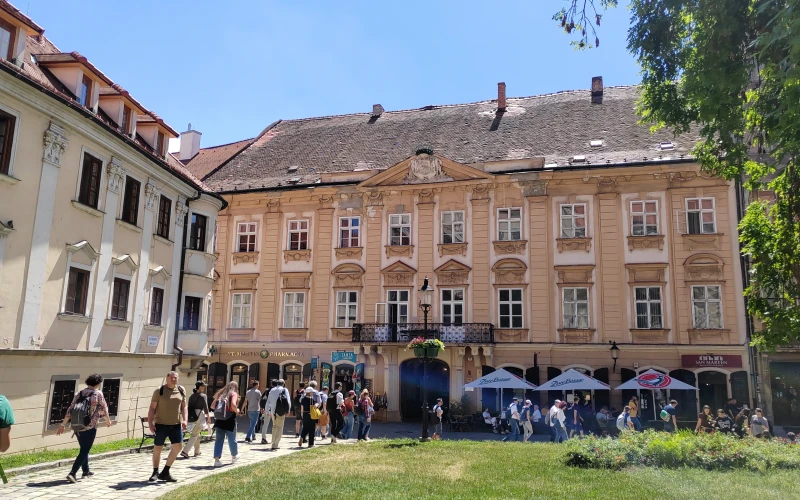
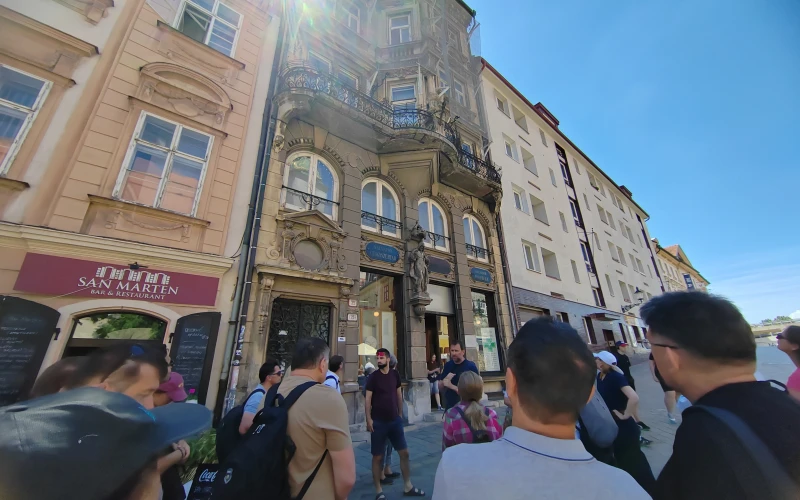
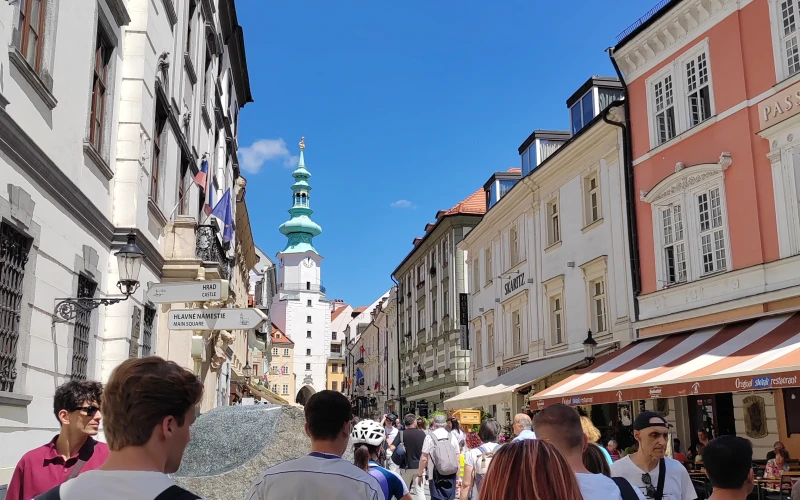
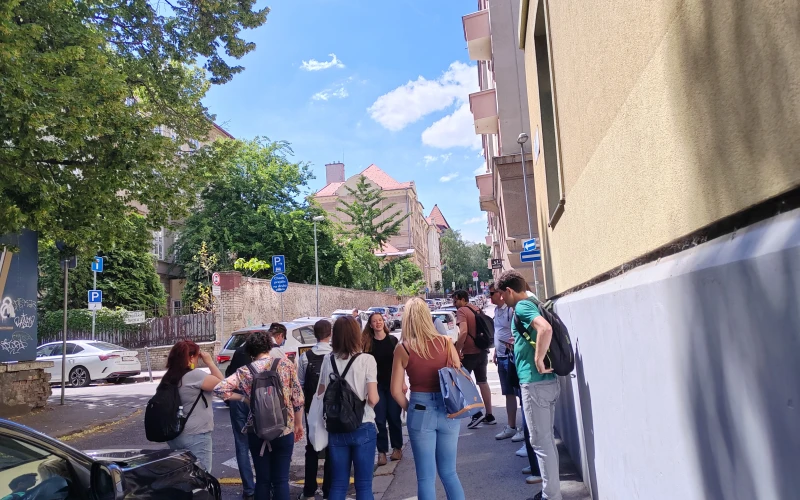
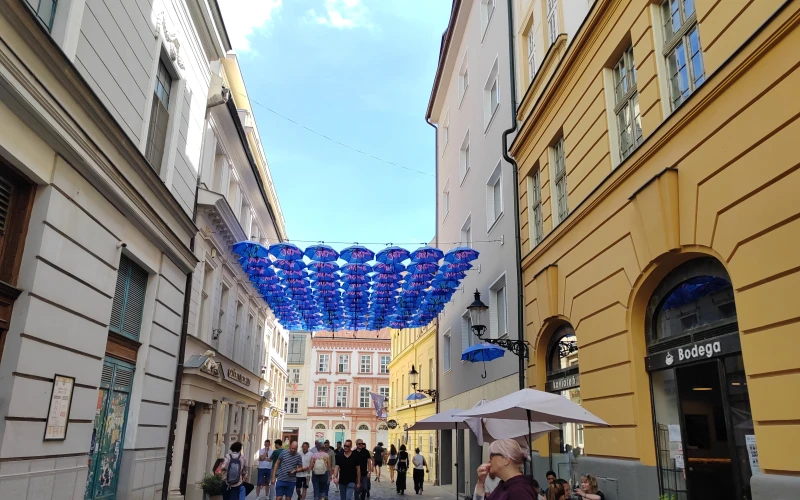
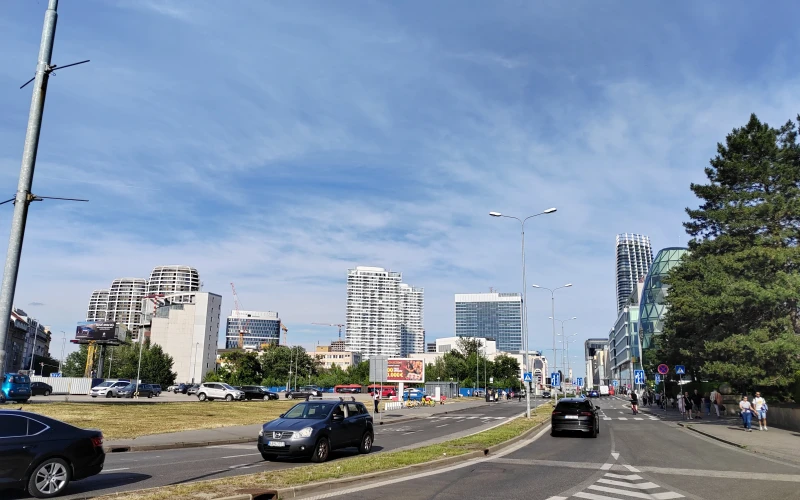
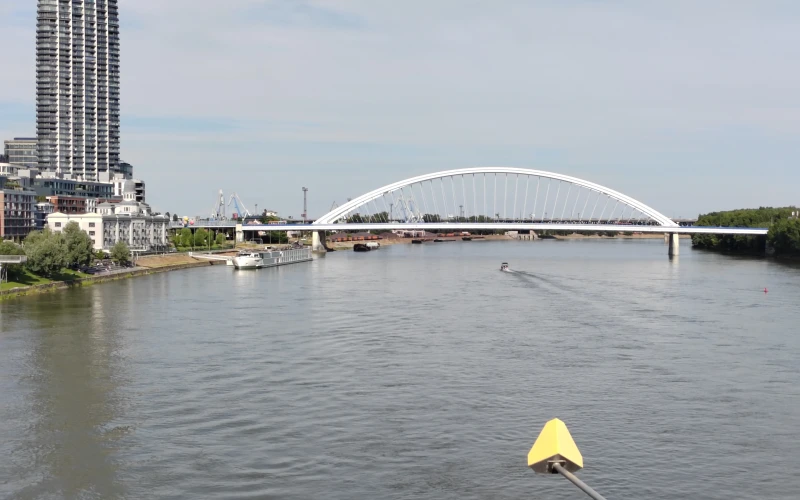
The program began with a historical and urbanistic walk through the city center and along the banks of the Danube. The brief introduction provided a good overview of Bratislava's historical development and the city's current transformation. Participants particularly noted that renovations and constructions are taking place at many points in the city, showcasing the dynamic growth of the capital. The historical urban areas and the new development zones create an interesting contrast: alongside charming old streets and squares, modern urban districts, including high-rise neighborhoods emerging along the Danube, are becoming increasingly prominent. Several areas of the city evoked the character of Budapest's Buda side, while Bratislava's unique development path and scale create a distinctive urban landscape.
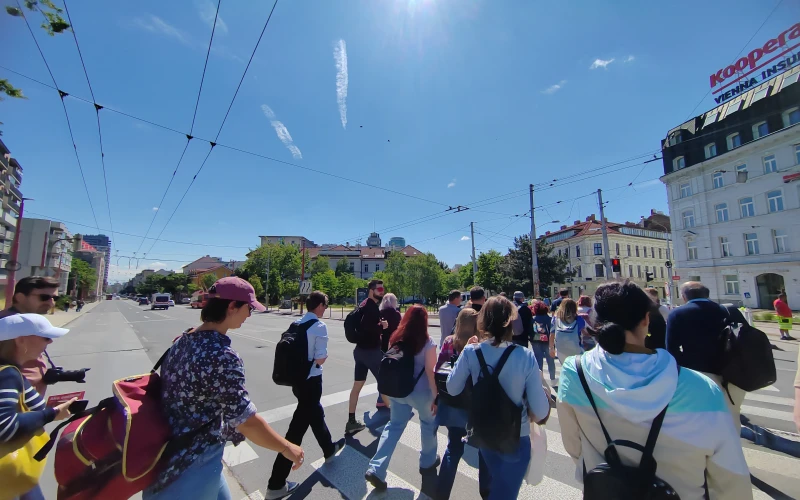
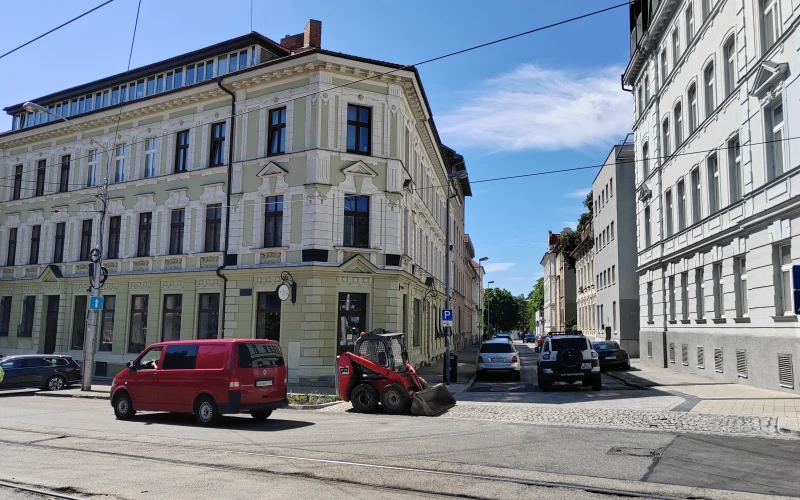
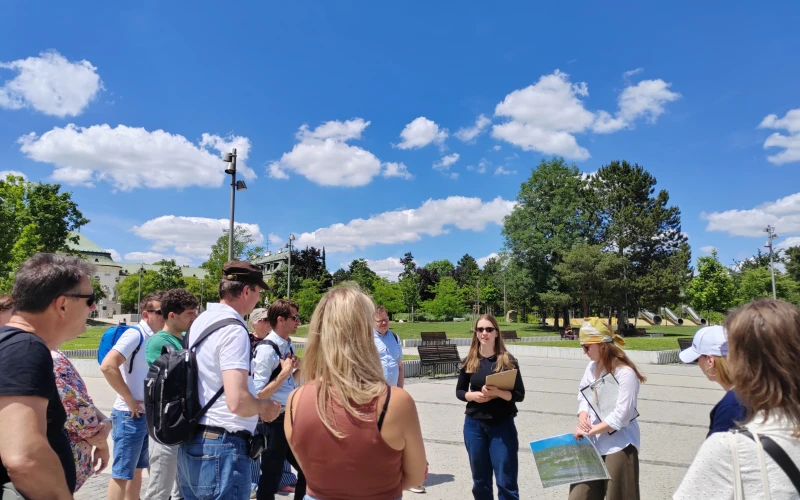
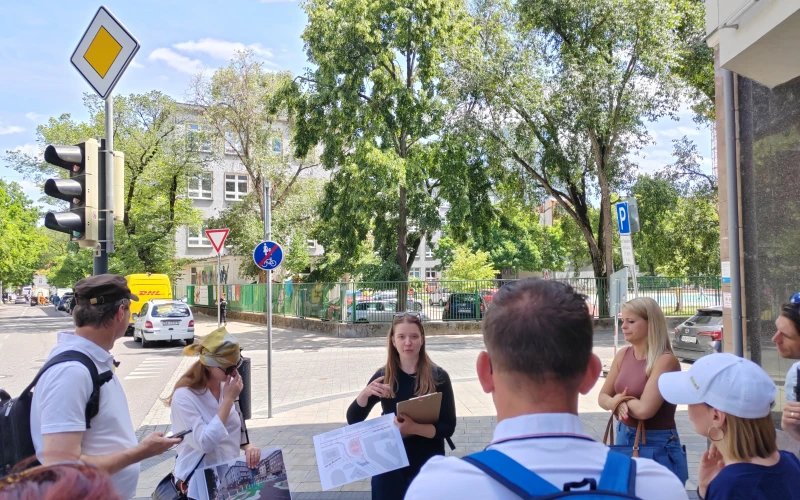
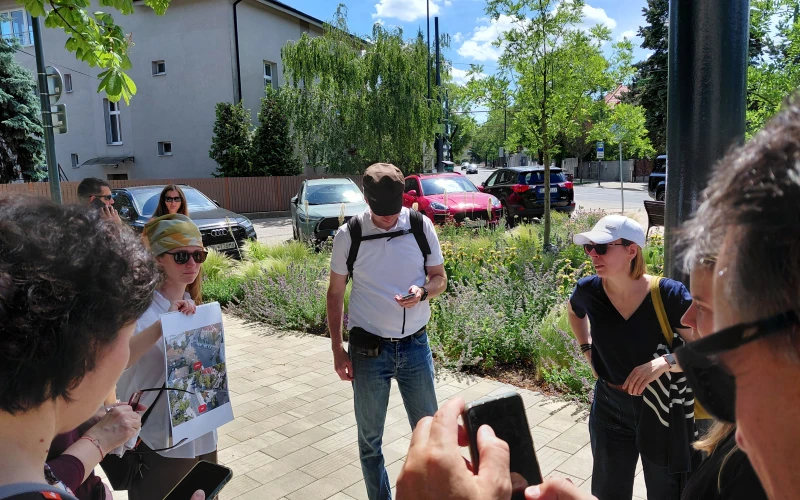
During the afternoon program, one group visited the sites of the so-called "school streets" and public space transformation projects, led by experts from the Metropolitný Inštitút Bratislava (MIB). The showcased developments focused on child-friendly urban planning, aiming to create a more livable environment by connecting traffic safety, improving public spaces, and promoting community involvement.
As a highlighted example, we learned about the transformation of the area around the Vazovova School. The previously busy and accident-prone junction was transformed by the city as part of the "City for Children" program. The planning was preceded by extensive community involvement: more than five hundred local residents, parents, teachers, and students participated in surveys, site visits, and community workshops. One of the project's unique features was that the designers considered the usability of the area from the perspective of children, the elderly, and people with limited mobility.
The final transformation was preceded by temporary, so-called tactical urban interventions, which allowed for testing the traffic pattern and land use under real conditions. As a result of the development, the surface occupied by car traffic was significantly reduced, new pedestrian crossings and green spaces were created, and about 500 square meters of public space was returned to pedestrians and community use. The project clearly demonstrates that a relatively small scale, yet thoughtful interventions can significantly improve the safety and usability of an urban environment.
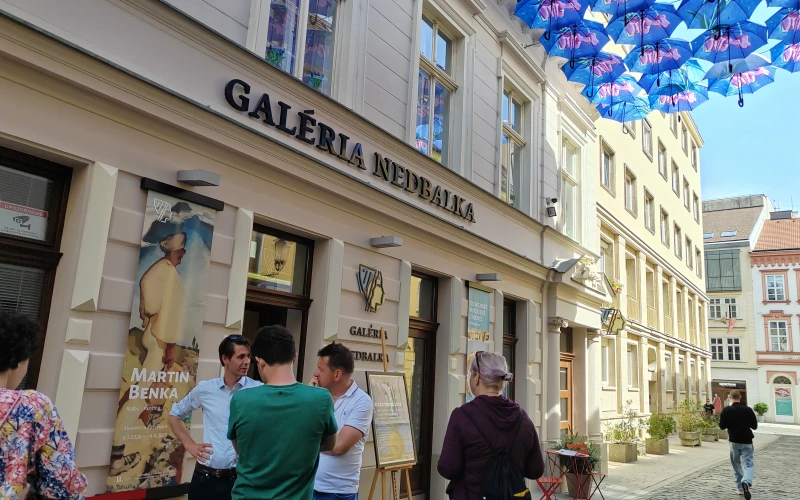
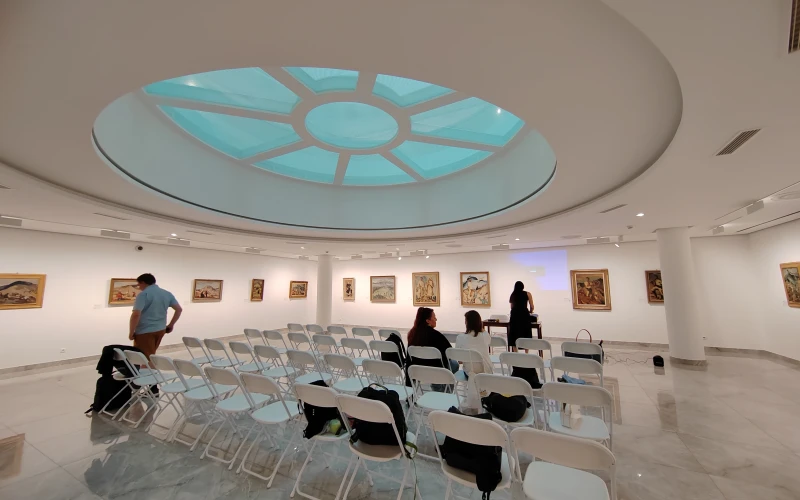
As a closing to the professional program, we attended a lecture by István Kollai at the Nedbalka Gallery, which presented the historical development, social changes, and urban development processes of Bratislava. The lecture provided a comprehensive picture of how the city’s role has evolved in Central Europe and what challenges and opportunities the rapidly developing Slovak capital faces today.
The study trip provided numerous valuable experiences for the participants. It was particularly inspiring to see how Bratislava applies the tools of community planning, tactical urbanism, and child-friendly urban design in the renewal of urban public spaces. The projects presented well illustrate that one key to the success of urban development is the involvement of local communities and the human-centered reimagining of public spaces.
We thank the organizers (Urbavis) and our hosts for the meaningful professional program and the valuable exchange of experiences.
Group photo on the opening page: Bence Kisbali - Cloud media
Below images by BUM - Gabriella Király