From Sopron to the Margit District – collaborations, urban challenges, and business opportunities at the BUM Business Breakfast.
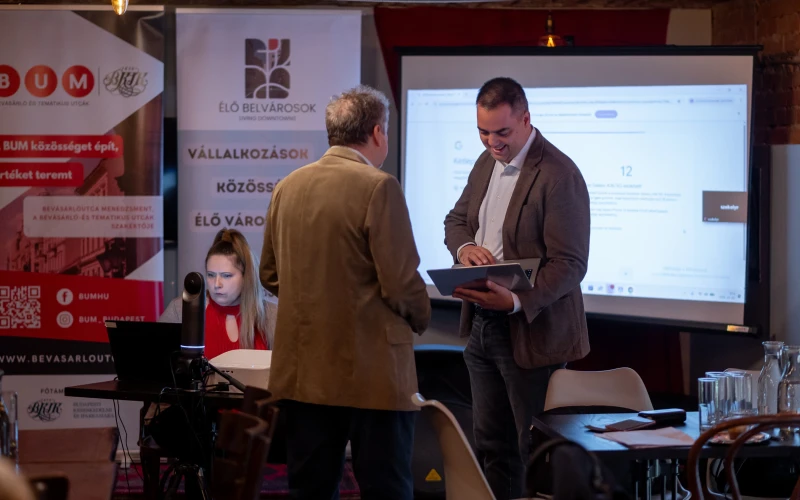
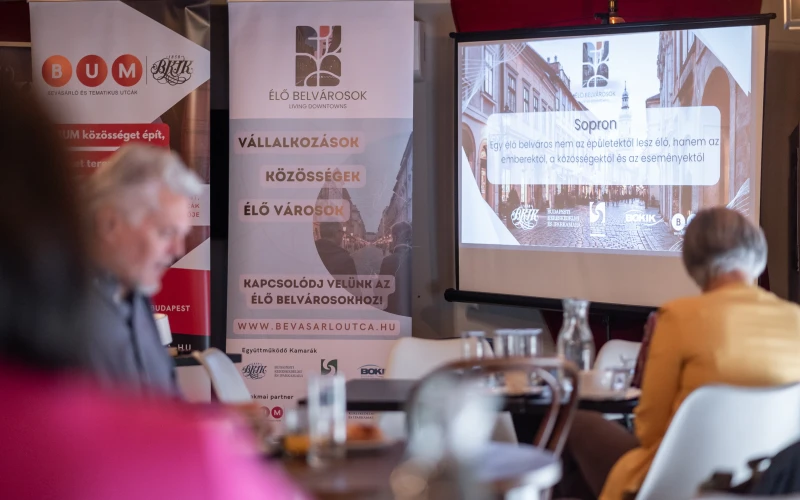
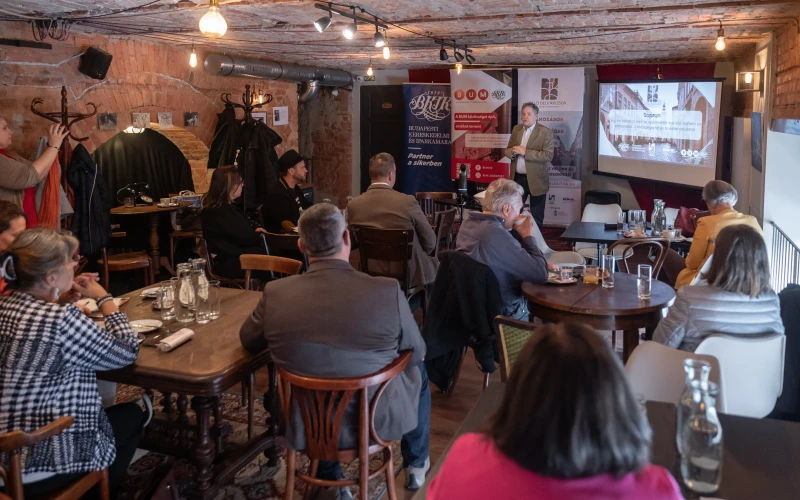
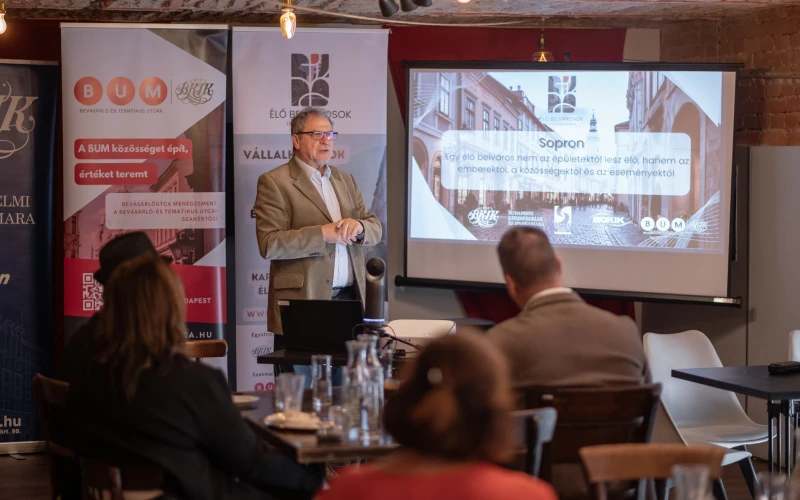
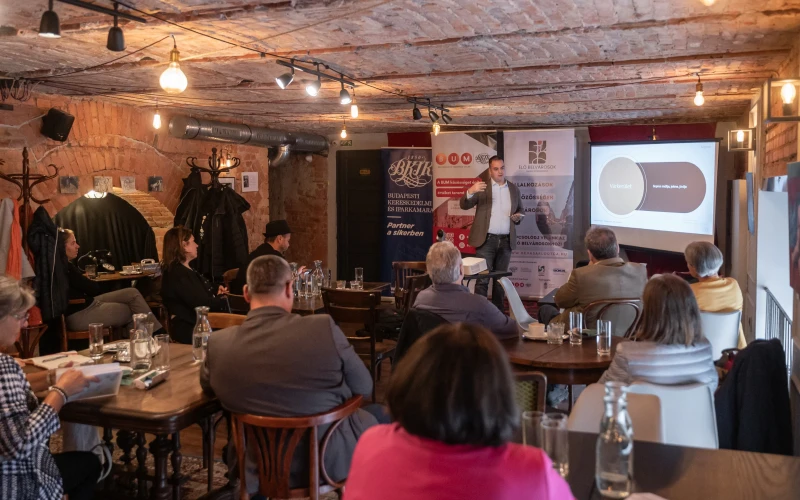
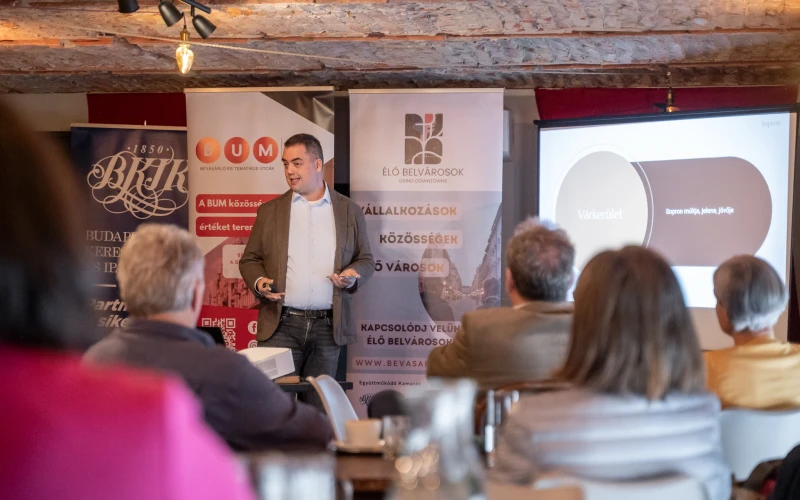
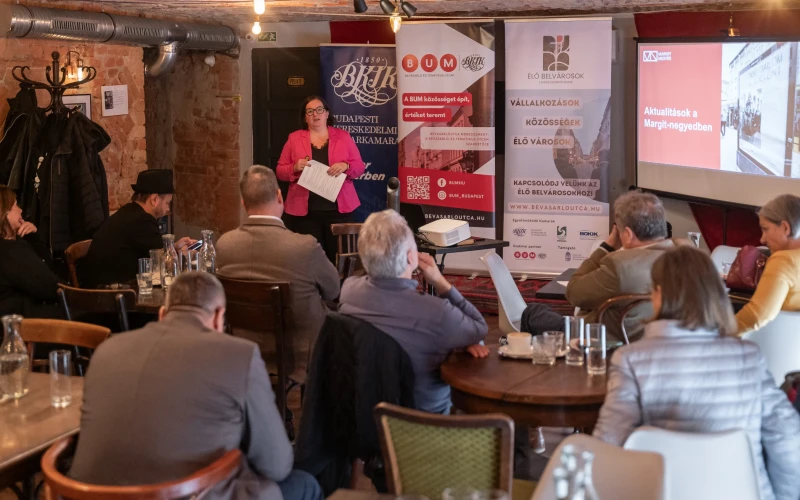
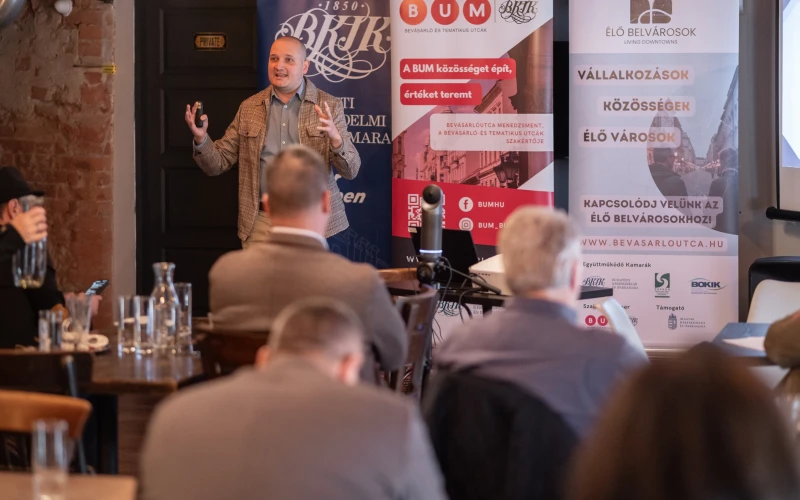
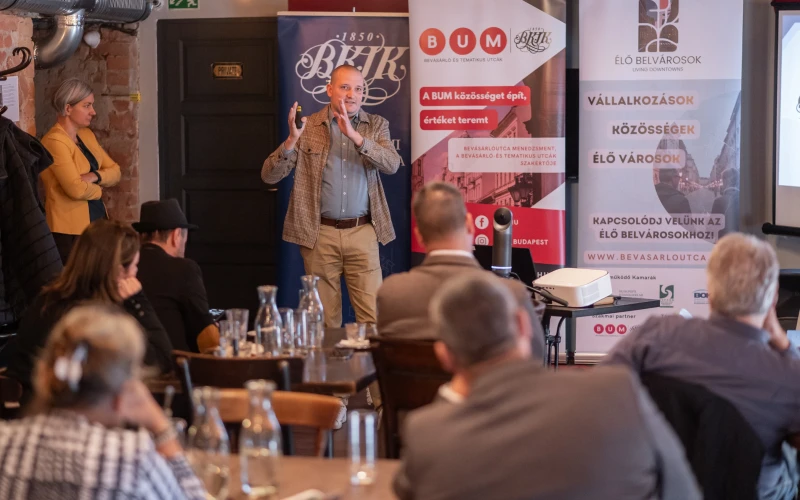
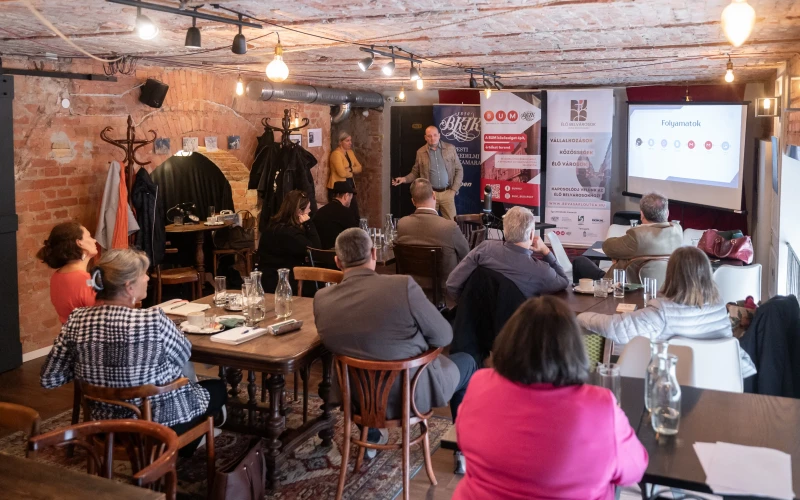
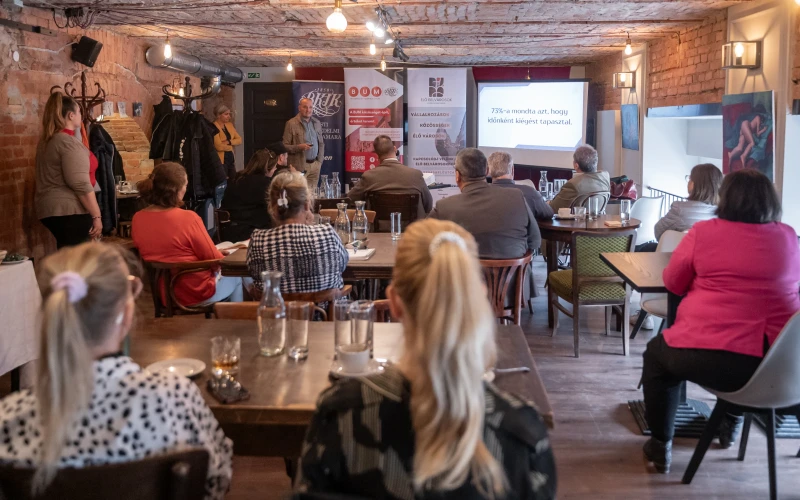
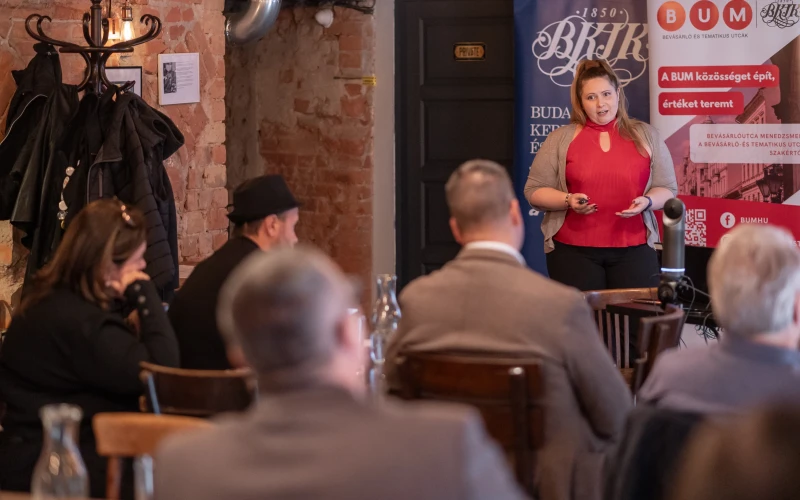
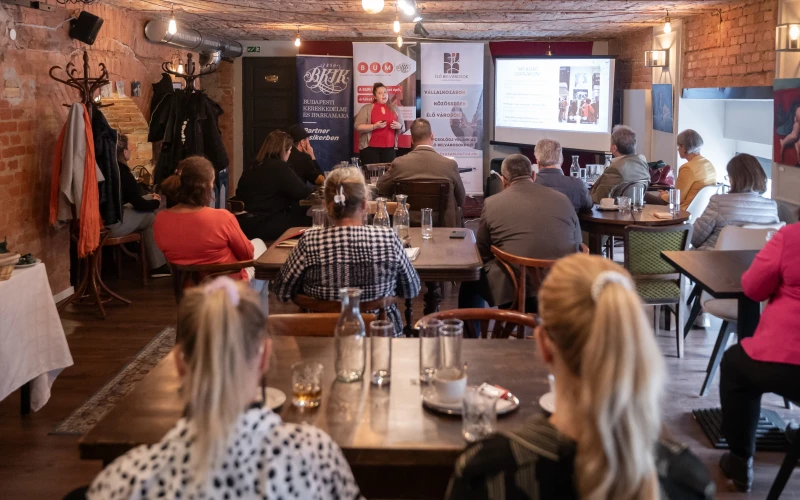
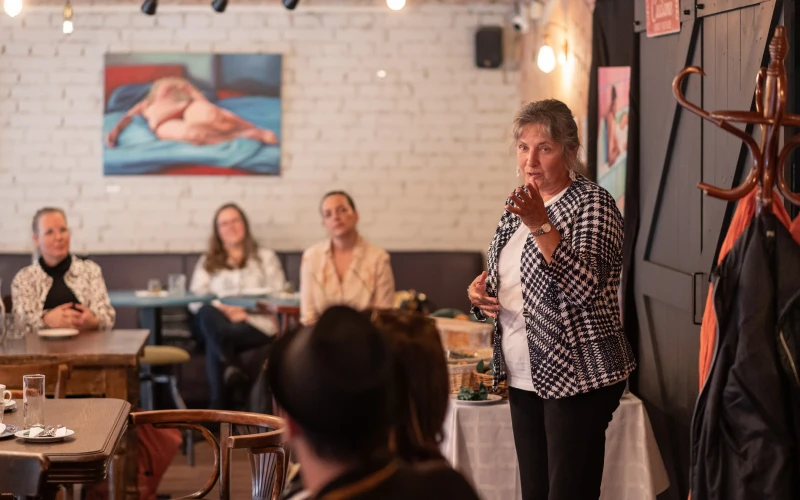
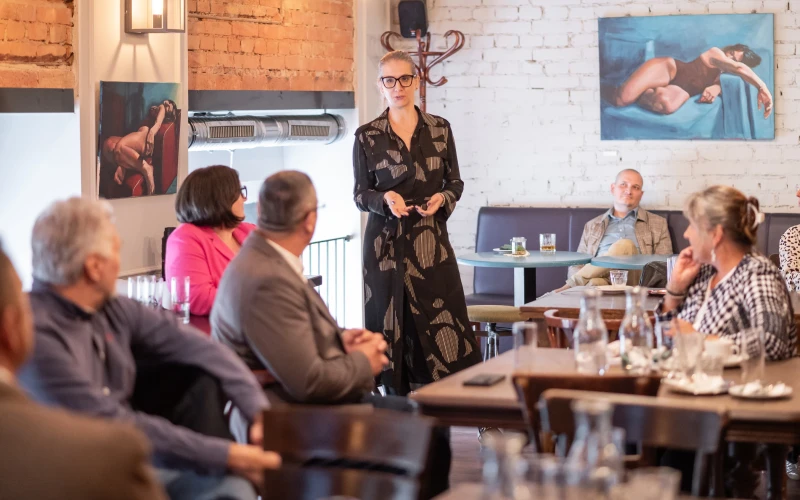
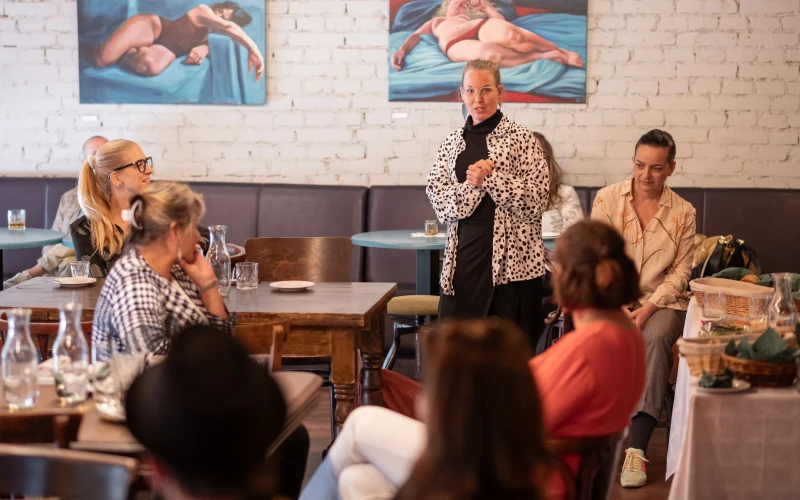
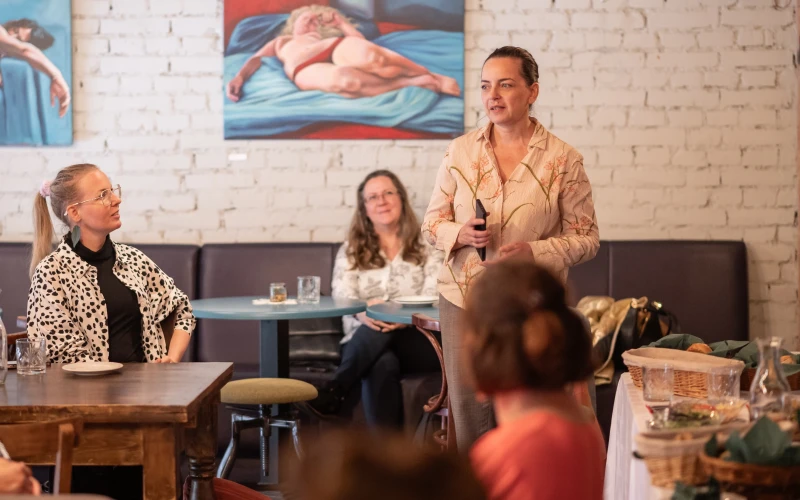
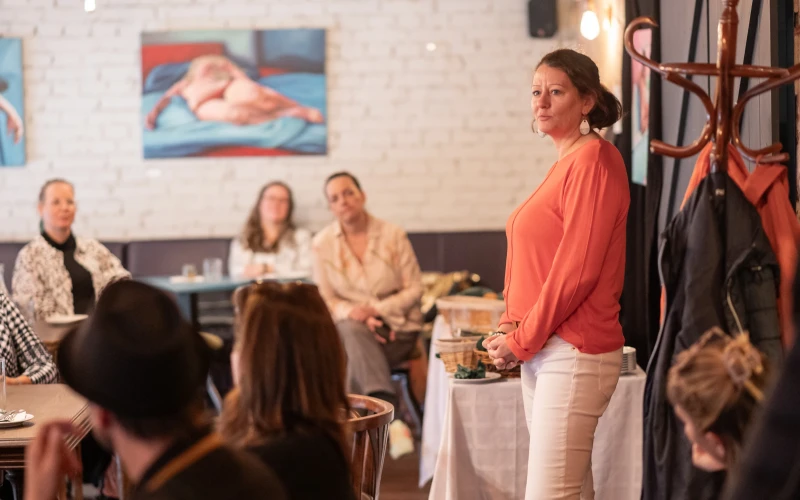
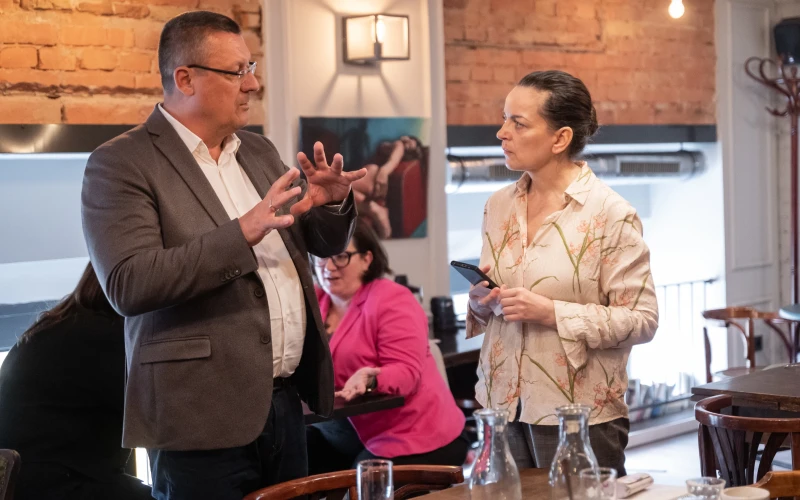
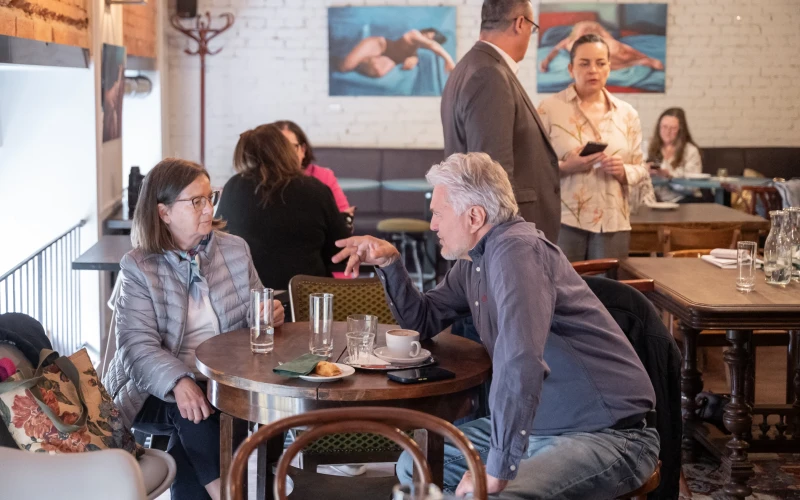
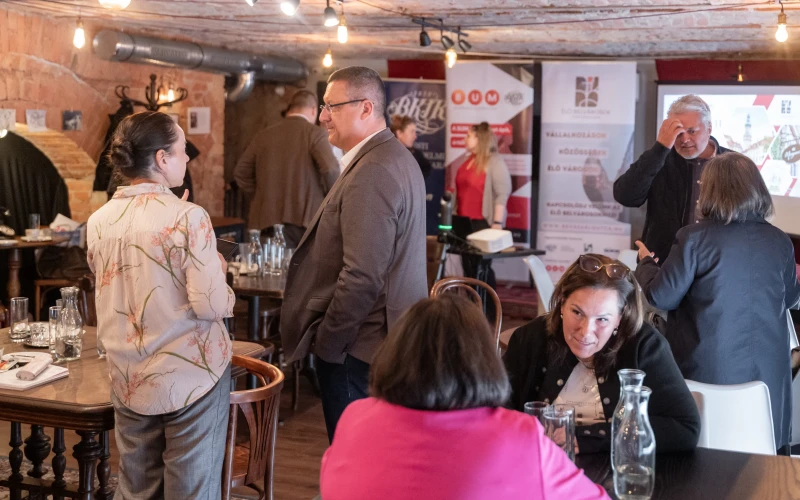
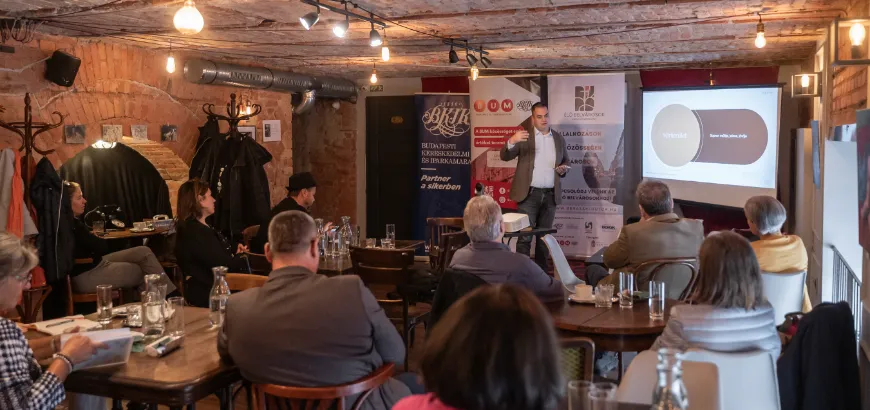
How can we revitalize historic city centers? What challenges do local businesses face, and what can different cities learn from each other? These questions were the focus of the BUM Business Breakfast on October 20, hosted this time by the Margaux Café located in the Margit Quarter. The guest for the meeting was Sopron, which also joined the program online.
A professional meeting organized by BUM Nonprofit Kft. provided an opportunity for experience exchange between the entrepreneurial communities of Budapest and the countryside within the framework of the Living City Centers program. The morning session discussed the economic challenges of city centers, the importance of community building, effective entrepreneurial communication, and upcoming joint programs.
Similar challenges, different local solutions
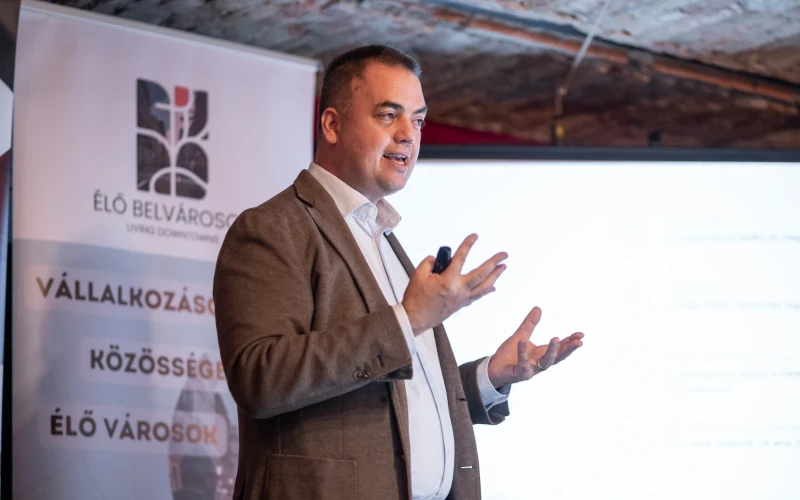
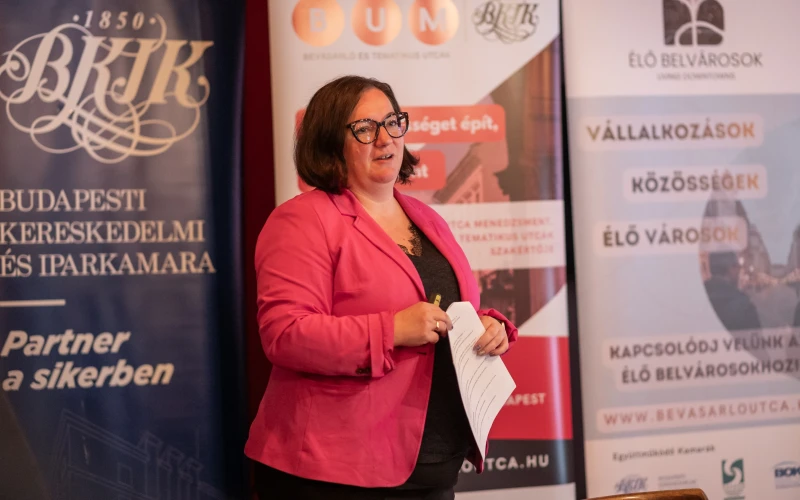
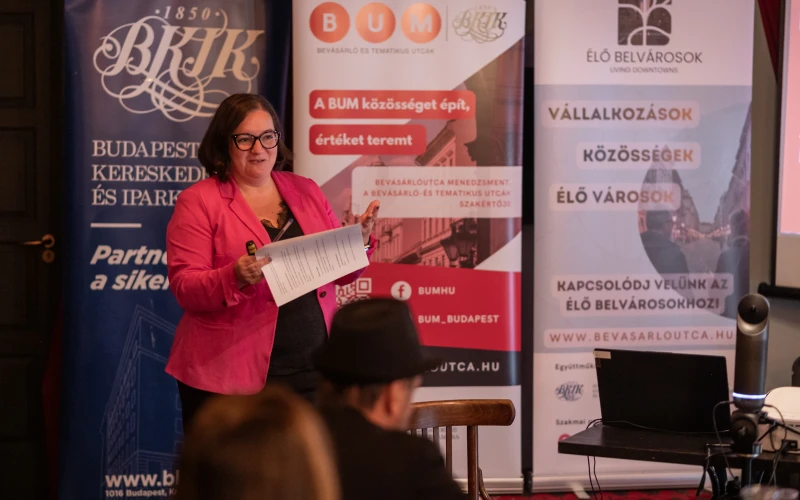
Attila Antal, the managing director of BUM Nonprofit Kft., presented the experiences of the Living City Centers program and the significance of collaborations between cities.
BUM is utilizing its professional experience accumulated in the shopping and thematic streets of Budapest in Miskolc and Sopron as well. Based on entrepreneurial surveys and personal consultations, it is clear that various cities face similar problems in many respects: changing consumer habits, decreasing customer traffic, vacant retail spaces, and the lack of collaboration among businesses are evident almost everywhere.
However, similar challenges do not necessarily require identical solutions. The methodology of successful initiatives can be transferred, but specific programs must always be tailored to local conditions and community needs.
Therefore, BUM does not seek to provide ready-made recipes but aims to support the establishment of sustainable collaborations through the involvement of local entrepreneurs, professional assistance, and collective thinking.
One tangible example of this is the III. BUM Workshop Festival, which will take place from November 6–8, and which many businesses in Sopron have already joined.
Sopron: historical values, economic challenges, and new tourism opportunities
Dr. Pál Szilágyi, the manager of Pannonia Hotel in Sopron, provided an overview of the city's economic and tourism attributes from an entrepreneurial perspective.
The historical city center of Sopron preserves significant architectural and cultural values, and the city rehabilitation developments of recent decades have greatly improved the state of its built environment. However, the renewed public spaces and buildings are not sufficient on their own to stimulate downtown commerce and hospitality.
The city's economic situation is fundamentally influenced by the proximity of the Austrian border. The pulling effect of higher wages in Austria poses significant challenges, particularly in tourism and hospitality, while purchases made across the border may also reduce local consumption. The operational challenges faced by businesses have been further burdened by economic difficulties and increased costs in recent years.
One of the most interesting propositions from the presentation was the joint treatment of Sopron and Burgenland as a common tourism region. By coordinating the cultural, historical, and natural values found on both sides of the border, a complex offer can be developed that encourages longer stays for visitors.
The Pannonia Hotel itself serves as a practical example of collaboration between businesses. Instead of the extensive in-house hospitality they previously offered, the hotel now places greater emphasis on recommending surrounding downtown restaurants and service providers to its guests.
This approach clearly demonstrates that local businesses can be not only competitors but also business partners. Mutual recommendations, interconnected services, and a shared tourism offering can benefit the entire district.
Margit Quarter: from vacant storefronts to community building
Zsófia Berta, the head of the department responsible for the Margit Quarter in the II. District, presented the results and next steps of the area's renewal.
The Margit Quarter program, launched in 2021, initially focused primarily on the utilization of vacant municipal storefronts and the cultural and economic renewal of the area. Today, the overwhelming majority of the stores have found tenants, thus the development has entered a new phase.
The emphasis is increasingly placed on strengthening the local entrepreneurial community, organizing joint events, and coordinating communication within the district.
The Hello Margit Festival, initiatives showcasing local businesses, and special community programs all serve this purpose. A good example is the sustainable fashion show held at the Fény Street market, which demonstrated how a traditional commercial space can become a new type of cultural meeting place.
One of the highlighted developments of the presentation was the repurposing of a former bank branch on Margit Boulevard. It is planned that the Eidolon contemporary photography museum will open in the approximately 600 square meter property by 2027. This project, carried out in cooperation with a private owner, a cultural player, and the local government, could attract more visitors to the area.
Zsófia Berta also reported on the findings from a community-focused group research. Although respondents rated the development of the Margit Quarter positively, different age groups expressed differing needs for services. Younger people desire more community spaces and meeting opportunities, while older individuals seek traditional artisan services and affordable, everyday dining options.
A key takeaway from the research is that during the development of districts, in addition to attracting visitors, the daily needs of local residents must also be considered.
The role of local channels is also being reevaluated in communication. In addition to social media, municipal newspapers, newsletters, local applications, and institutional collaborations can also play an important role in increasing the visibility of businesses.
Conscious entrepreneurial communication – with less time investment
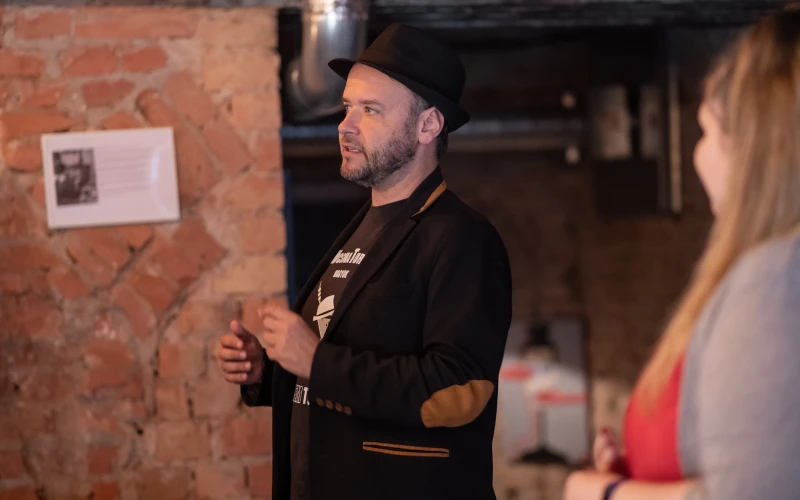
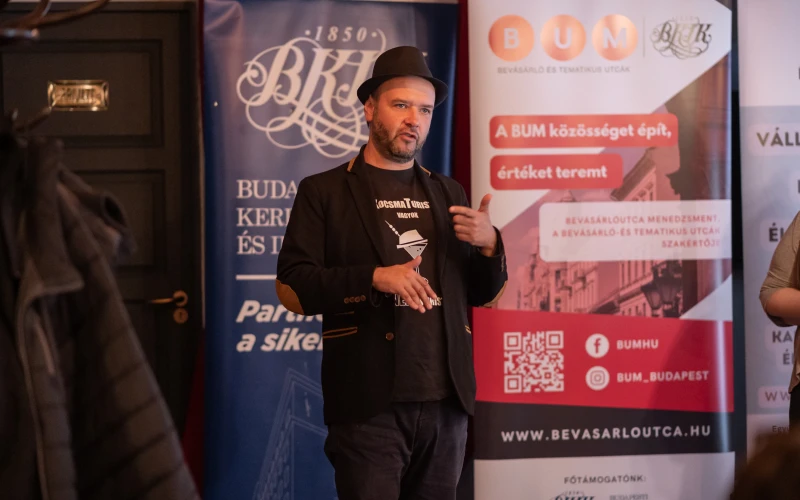
András Erős from EXPR Studio spoke about the everyday challenges of communication for small businesses and the possibilities for more efficient content creation.
Presence on social media is now unavoidable for many businesses; however, regular content creation requires significant time and energy. This is particularly true for smaller companies, where communication is often the responsibility of the entrepreneur who also manages daily operations.
One of the central ideas of the presentation was the conscious planning and simplification of communication processes.
A podcast, for example, can be utilized not only as a standalone content format: a single well-prepared discussion can generate several shorter videos, social media posts, and other communication materials.
András also showcased the opportunities provided by automated workflows, artificial intelligence, and digital tools that support content planning. The goal is not necessarily to produce more content but for businesses to communicate with less repetitive work, in a more predictable and consistent manner.
SlowXmas 2026 – an advent when cities connect
As a conclusion to the professional program, Gabriella Király, manager of the BUM shopping street, introduced this year's SlowXmas initiative, which will welcome visitors from November 25 to December 24 in the city centers of Budapest, Miskolc, and Sopron.
The program series, built since 2017 and now a six-time winner of the Marketing Diamond Awards, aims to focus on personal encounters, quality time, cultural experiences, and local values instead of the rush of the Advent season.
However, SlowXmas is not just a festive program suggestion. It represents a cross-city collaboration in which local businesses, cultural players, and community venues can strengthen each other through joint appearances.
Businesses can join the initiative with programs organized at their own locations: workshops, tastings, exhibitions, concerts, Advent walks, or other events that offer personal experiences.
BUM and its partners support participants with a joint program calendar, communication, and coordination.
During last year's SlowXmas, nearly a hundred businesses and around a thousand programs were linked to the initiative, with the community media campaign reaching approximately 1.7 million people.
This year's program is special because, alongside Budapest and Miskolc, Sopron joins the joint Advent collaboration.
Common thoughts yield common results
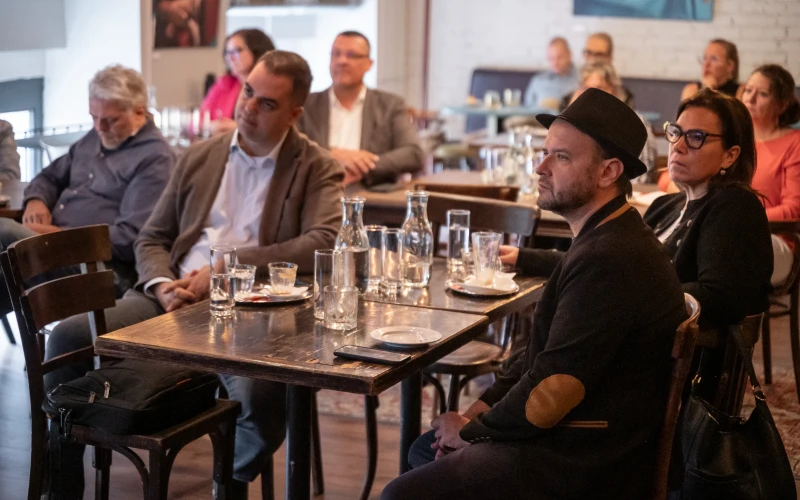
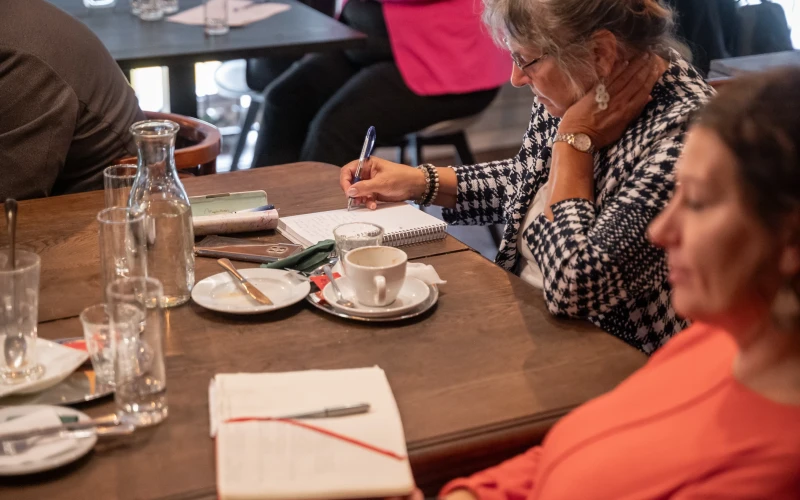
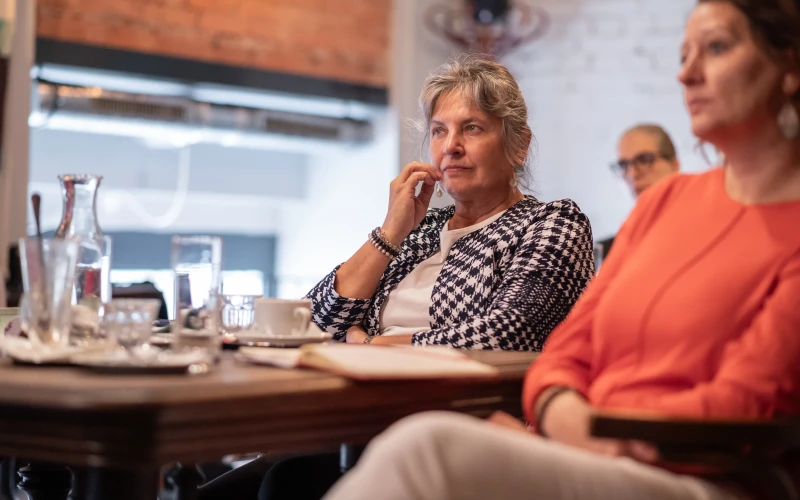
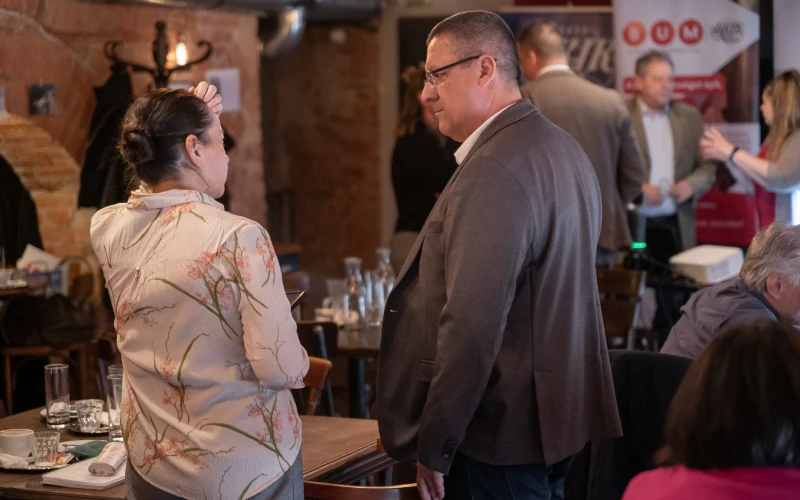
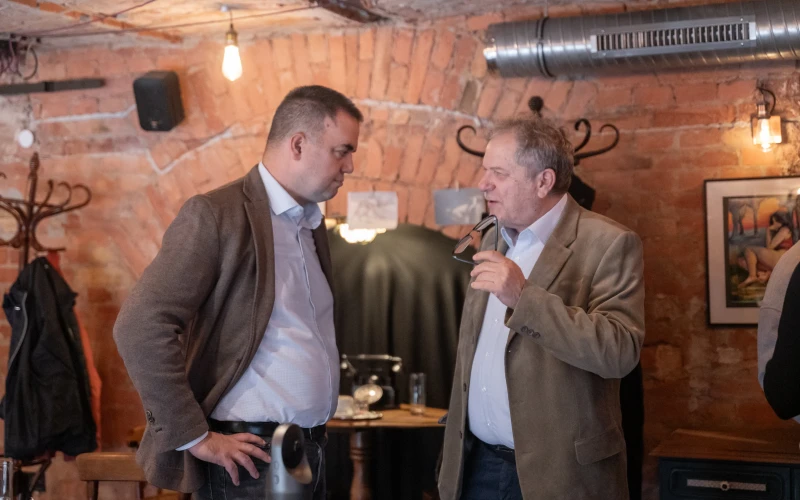
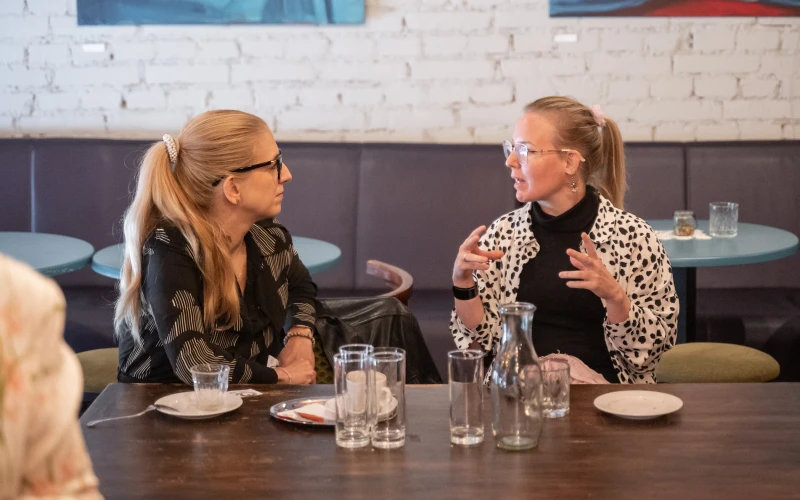
The presentations were once again followed by business introductions, questions, and informal professional discussions.
One of the most important lessons from the morning is that although Sopron and the Margit Quarter are at different stages of development, the goal is shared: to create a downtown environment that is attractive to residents, visitors, and businesses alike.
To achieve this, active entrepreneurial communities, conscious communication, programs based on local needs, and ongoing collaboration are necessary alongside the development of the built environment.
The Living City Centers program, the BUM Workshop Festival, and SlowXmas all represent the mindset that the initiatives of individual businesses can achieve greater impact through common thinking and coordinated presentation.
Because a downtown is made alive not just by its buildings and shops but by the people and communities that fill it with content.
We thank our speakers for their insightful professional thoughts, our participants for their active presence and discussions, and the Margaux Café for the hospitality!