Entrepreneurial Reflector: what does someone searching for us see?
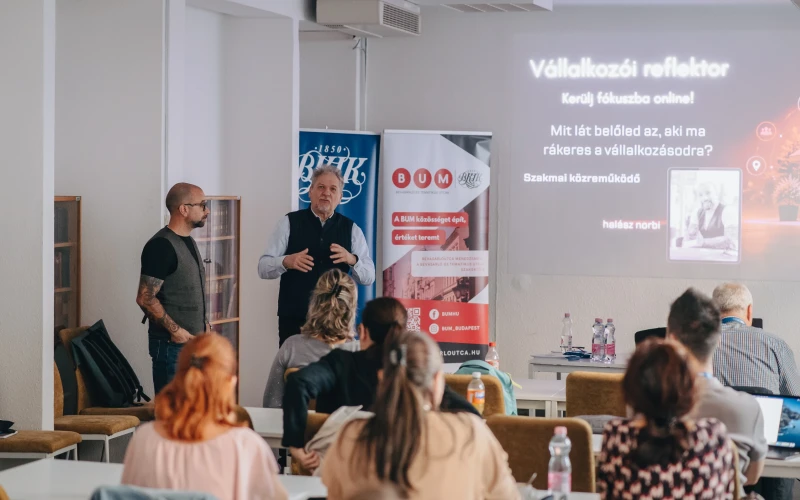
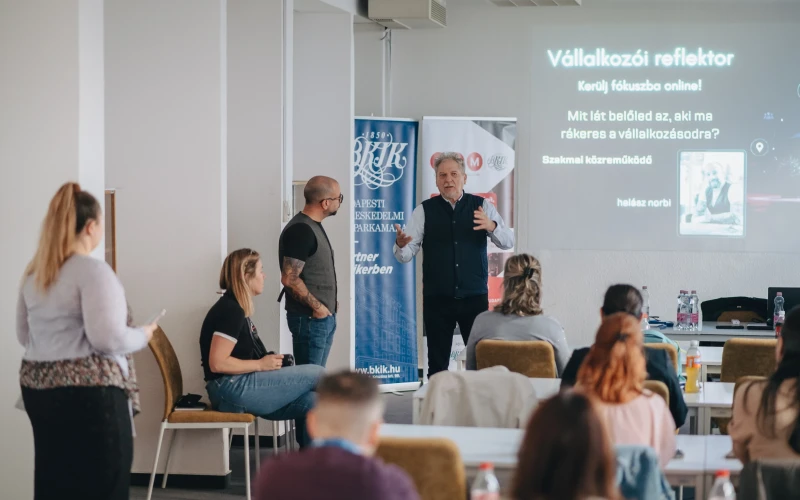
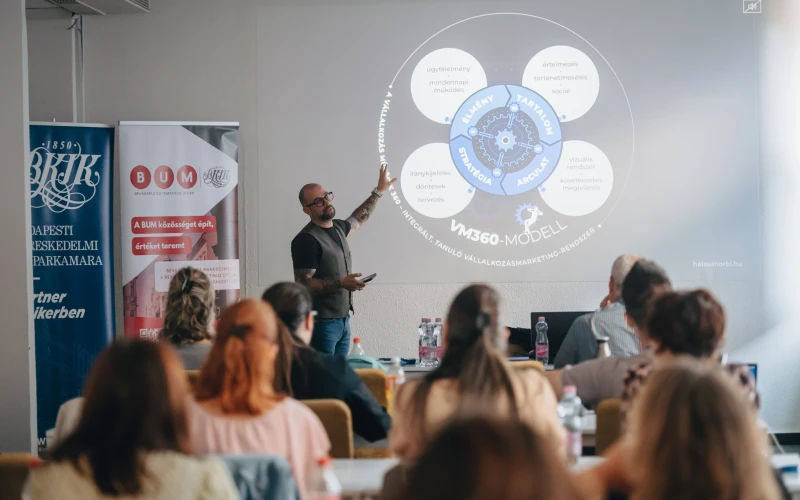
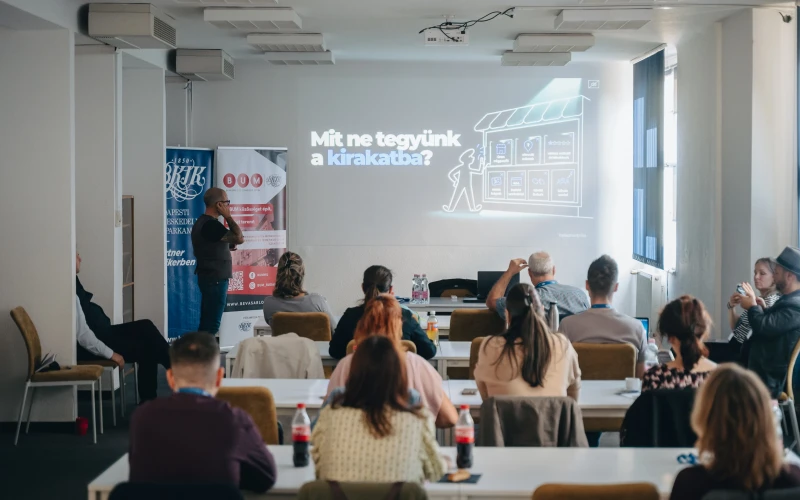
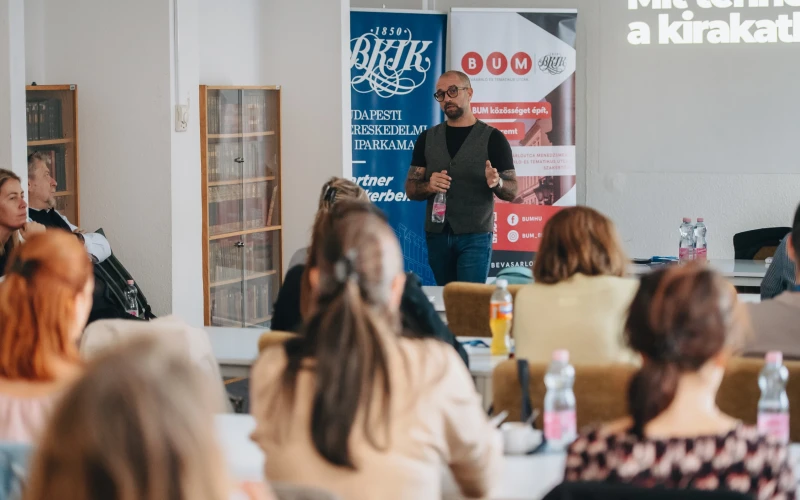
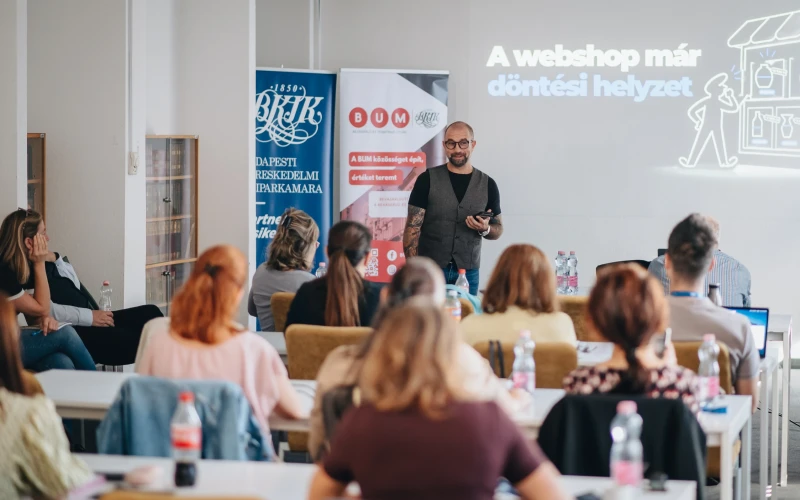
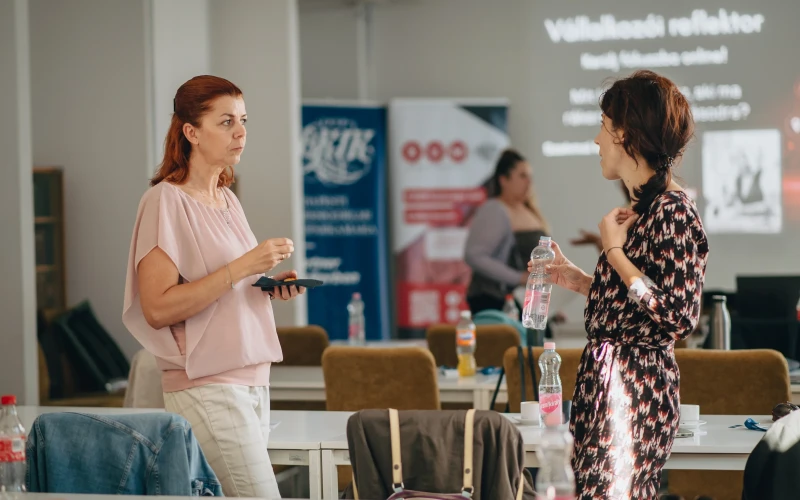
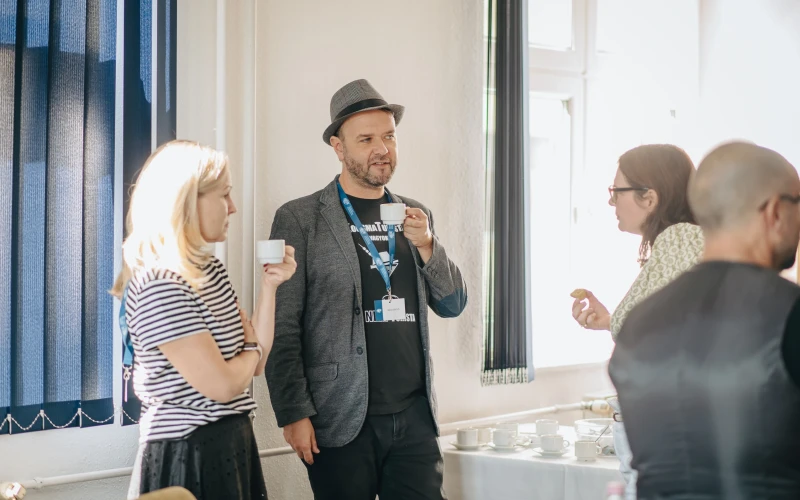
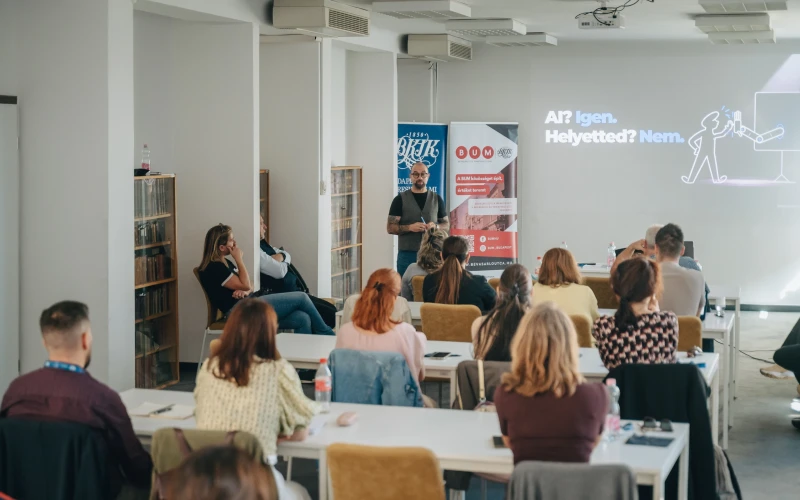
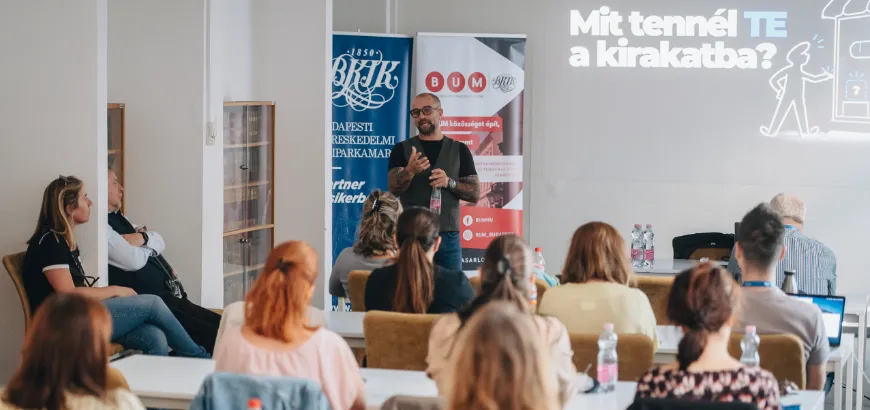
On October 7, we held our practical program titled Entrepreneurial Reflector – Get in Focus Online! at the BKIK Headquarters. The central question of the event was: what does someone see of us when they search for our business today?
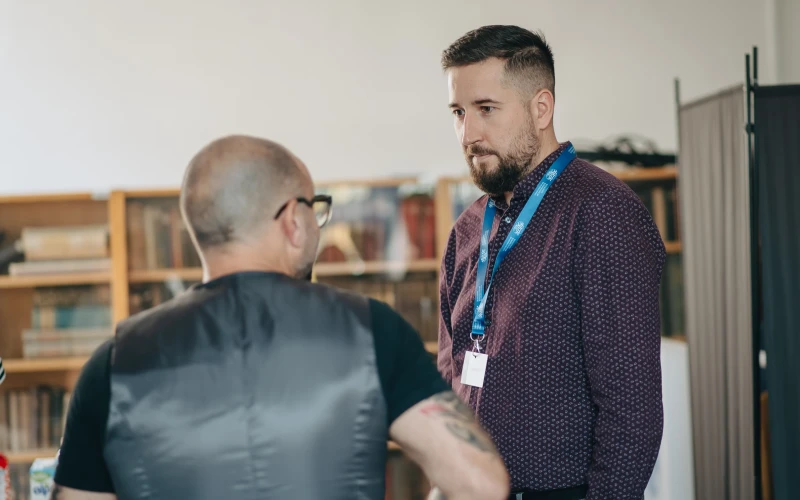
The participants were welcomed by Attila Antal, CEO of BUM Nonprofit Kft. In his introduction, he emphasized that BUM aims to provide entrepreneurs not only opportunities for joint appearances and networking but also practical knowledge that they can directly apply in their daily operations.
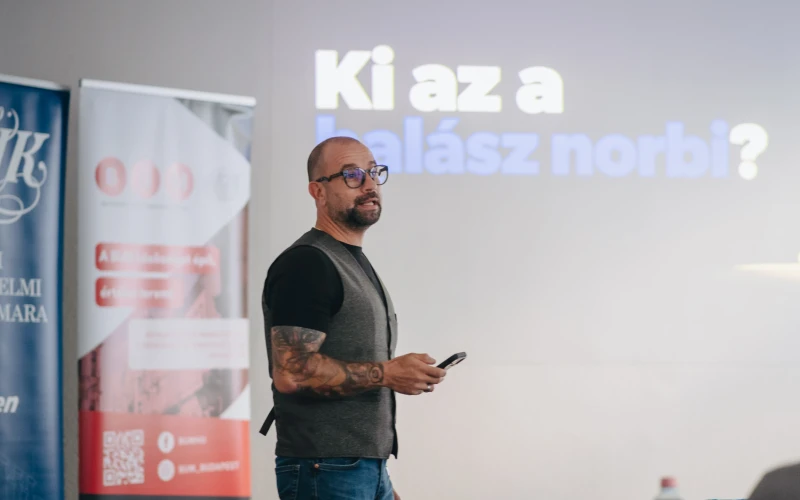
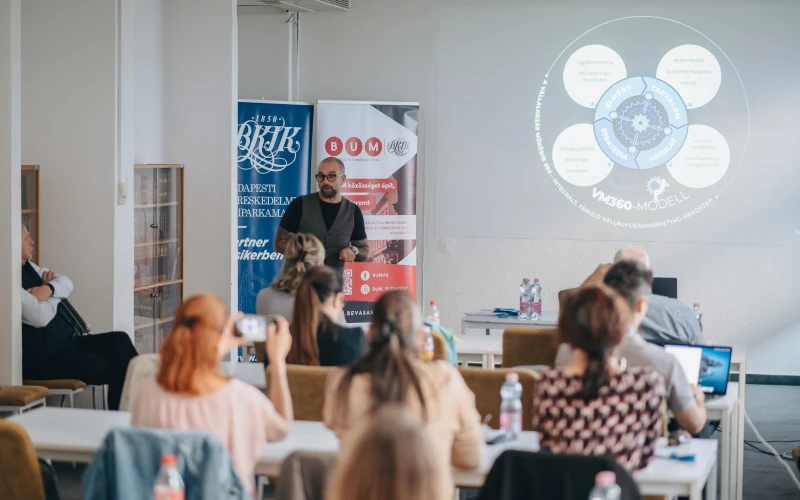
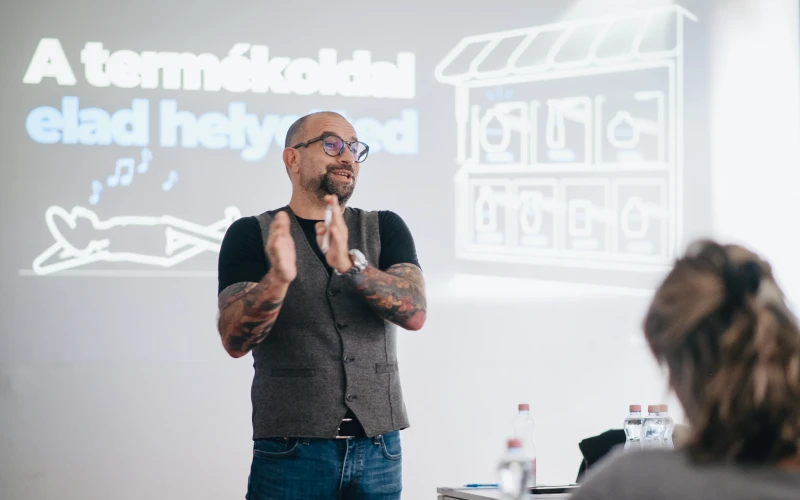
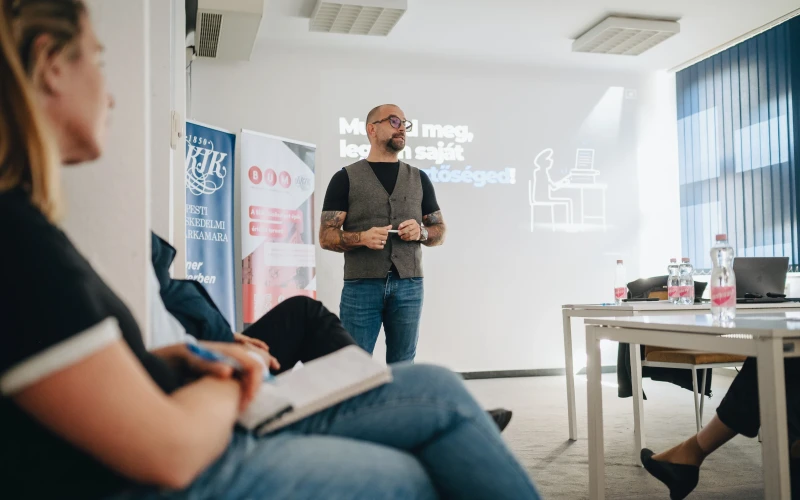
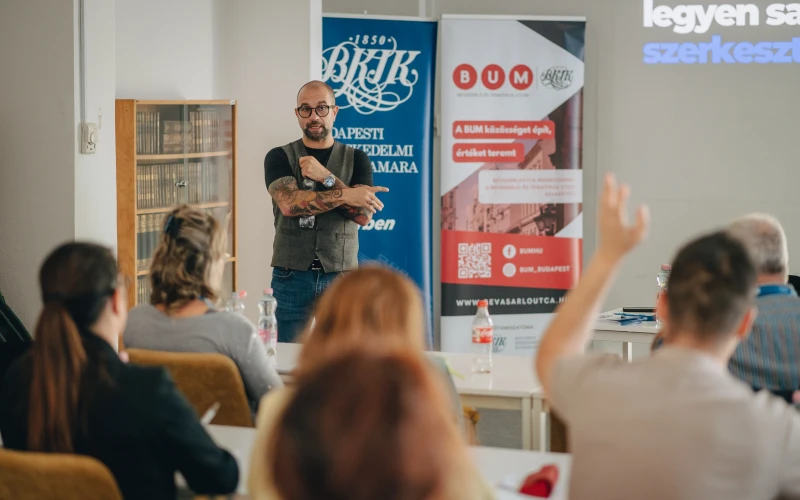
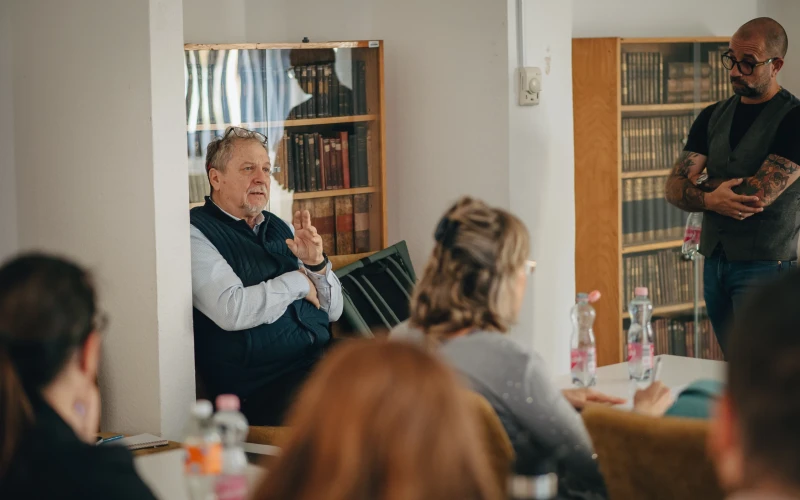
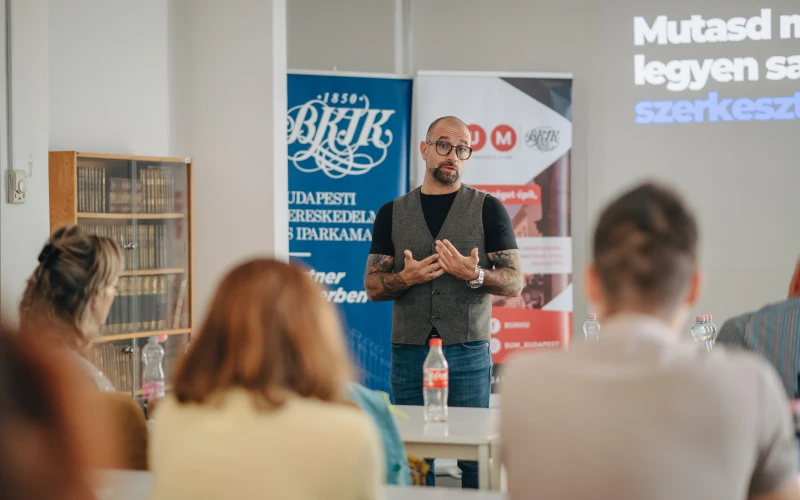
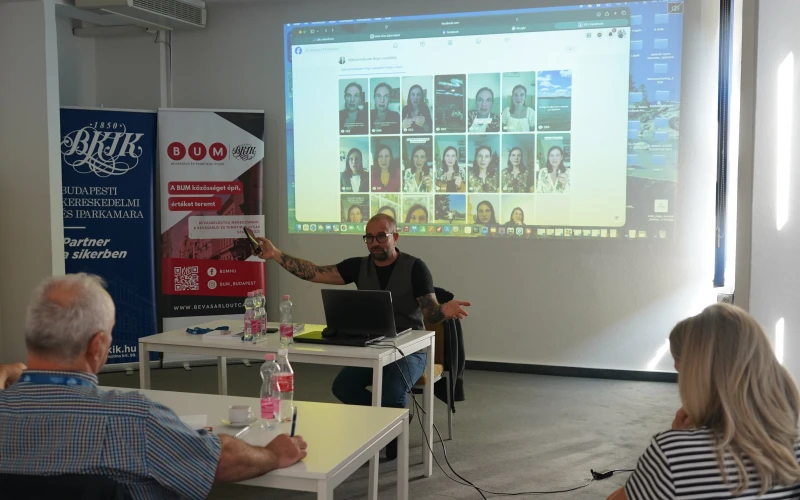
The professional program was conducted by Norbi Halász, the founding leader of the Stáb communication and production workshop. The uniqueness of the presentation came from the fact that during the preparation, he reviewed the publicly available digital platforms of the participants requesting the audit. This allowed the general professional aspects to be linked to real entrepreneurial examples and practical experiences.
The customer experience begins with the search
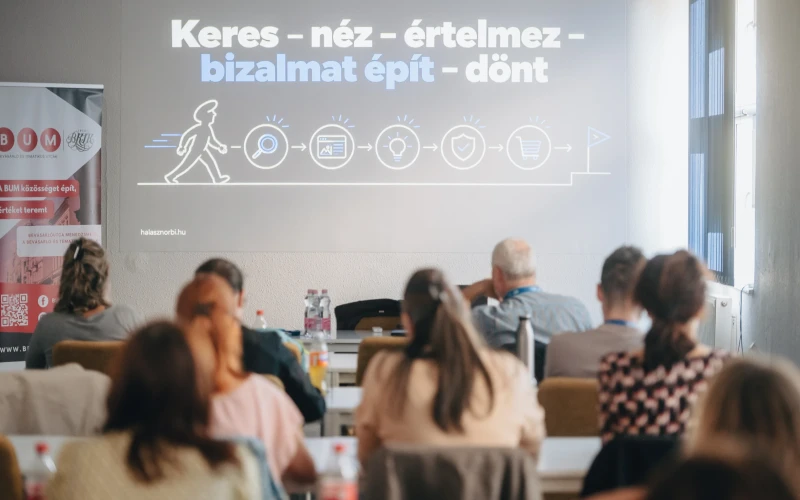
One of the most important messages was that the customer experience starts well before the personal meeting or purchase. It includes the first Google search, the business's company profile, website, social media platforms, photos, and reviews about it.
Based on this information, the interested party quickly tries to understand:
- what the business offers;
- whether the offer is relevant to them;
- why it is worth choosing it;
- what their next step should be.
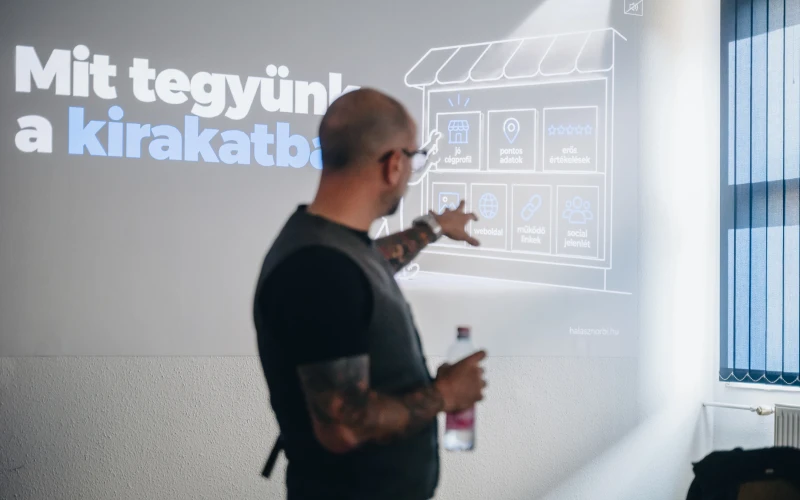
The speaker referred to the Google Business Profile as the digital storefront of the business. Just as we would not leave outdated or misleading information in a real store's window, accurate data, high-quality photos, functioning links, and responses to reviews are also important on online platforms.
A negative review can also be an opportunity
The program also discussed the conscious collection and management of reviews. It is worthwhile to ask a satisfied customer to share their experience on Google. This can be done in person, via QR code, or even through automated emails.
A negative feedback is not necessarily just a problem. A quick, courteous, and solution-oriented response can show that the business cares about its customers, acknowledges any mistakes, and strives to resolve them.
There's no need to be everywhere
Not every business needs to be present on all social platforms at once. It is better to choose the channels where the target audience is truly reachable and that the business can operate regularly, tailored to the specific characteristics of each platform.
Having too many consecutive posts can compete with itself. Especially with a smaller follower base, it is crucial that content appears at appropriate intervals and has time to reach the audience.
One of the greatest advantages of small businesses is their human face and authenticity. In addition to showcasing products and services, it is worth sharing professional knowledge, customer stories, behind-the-scenes processes, and making the person or team behind the business visible.
AI: a tool, not a ready-made solution
Artificial intelligence is already present in the daily work of many small businesses. It can assist in brainstorming, content planning, organization, administrative process development, calculations, and data analysis.
One of the key messages of the presentation was that AI does not replace human thinking and responsibility. In a good workflow, the human defines the task, AI assists in its execution, and then the human reviews and shapes the result in their own voice.
Text and images that are published without transformation and are template-based can be easily recognized, and they can undermine the primary advantage of small businesses: uniqueness and personal touch.
Measuring one’s own time and results also matters
Managing a digital presence is not free even if the entrepreneur does it themselves. It is important to be aware of how much their own working time is worth, how much time is spent on content creation, and what results the activity brings.
Some of the repetitive processes can be replaced with simple CRM, task management, or automated systems. It is also worthwhile to measure the results of advertisements and search presence. For example, Google Search Console can show what search terms a website appears for, how many clicks it receives, and its position among the results.
Live analysis and personalized audits
At the end of the program, we collectively examined the digital presence of a volunteer participant's business. Starting from the Google search result, we reviewed the company profile, website, and social media platforms.
The analysis clearly demonstrated that the quality of digital presence is often determined by many small details together: a broken link, an abandoned blog, the use of stock photos, improper timing, or videos that are difficult to distinguish from each other can all affect the first impression.
The participants requesting the audit received personalized analysis of their own businesses. These not only pointed out areas for improvement but also highlighted elements that are already working well and realistically achievable next steps.
The Entrepreneurial Reflector did not aim to provide ready recipes applicable to all businesses. It presented an approach and practical checkpoints that can help each participant consciously shape their own digital presence.
Because simply being present online is no longer enough today; we must also consciously show what is worth seeing from our business.
We thank Norbi Halász for the practice-oriented presentation and advice, as well as the audits that the entrepreneurs received at the event. Of course, we were not the only ones reporting on the event; Norbi and his team also shared their thoughts and experiences on the gondolatok.halasznorbi.hu site, which is worth reading!